

Oxford United issued a public apology for its recent Campus Collection, which was launched without proper historical consideration, the club announced — the statement followed reports of public concern over the collection’s context and associations. The club removed the collection from sale immediately and said it would review its approval processes to prevent similar issues in the future.
Museum Repatriates 39 Ancestral Remains to India
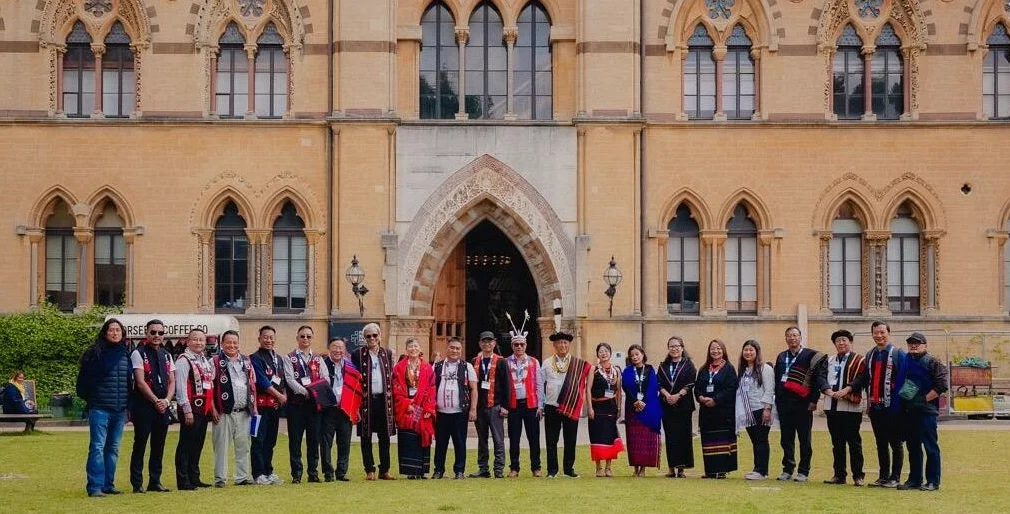
The Pitt Rivers Museum at the University of Oxford has approved the repatriation of the remains of 39 people from the Naga community in northeast India, which were taken during British colonial rule. The decision followed a restitution request by the Forum for Naga Reconciliation (FNR) and other Naga groups; the remains, according to museum director Laura Van Broekhoven, have been away from their homeland for far too long.
The FNR and other Naga organizations emphasized that repatriation is not only about returning bones but also about restoring memory to its rightful place. The group had requested the return of 40 sets of human remains, but the university approved the return of 39, as one set did not have a clear provenance as Naga.
Repatriation Process and Ceremony
According to the museum’s website, the international transport of ancestral remains requires special approvals and shipping agents, a process that will take at least two months. The museum is working closely with the Naga community to plan a handover ceremony, though no date has been set yet; the ceremony will be held at the museum, and a Naga delegation will attend before accompanying the remains home.
The Pitt Rivers Museum holds over 6,000 Naga artifacts, with nearly 700 on display. Dr. Ellen Konyak Jamir, an FNR member and coordinator for the research initiative Recover Restore and Decolonise, noted that while the repatriation of the remains is a priority, the return of other artifacts is a complex process and not the current focus.
Broader Context of Repatriation and Cultural Sensitivity
Both the apology from Oxford United and the repatriation by the Pitt Rivers Museum highlight a growing awareness of the need for cultural sensitivity and historical awareness in institutions and businesses. The museum’s actions follow a broader trend of institutions around the world examining their collections and acknowledging the colonial histories associated with them, Meanwhile, Oxford United’s response highlights due diligence in commercial decisions involving cultural or historical significance.






Comments
No comments yet
Be the first to share your thoughts