

 Bloomberg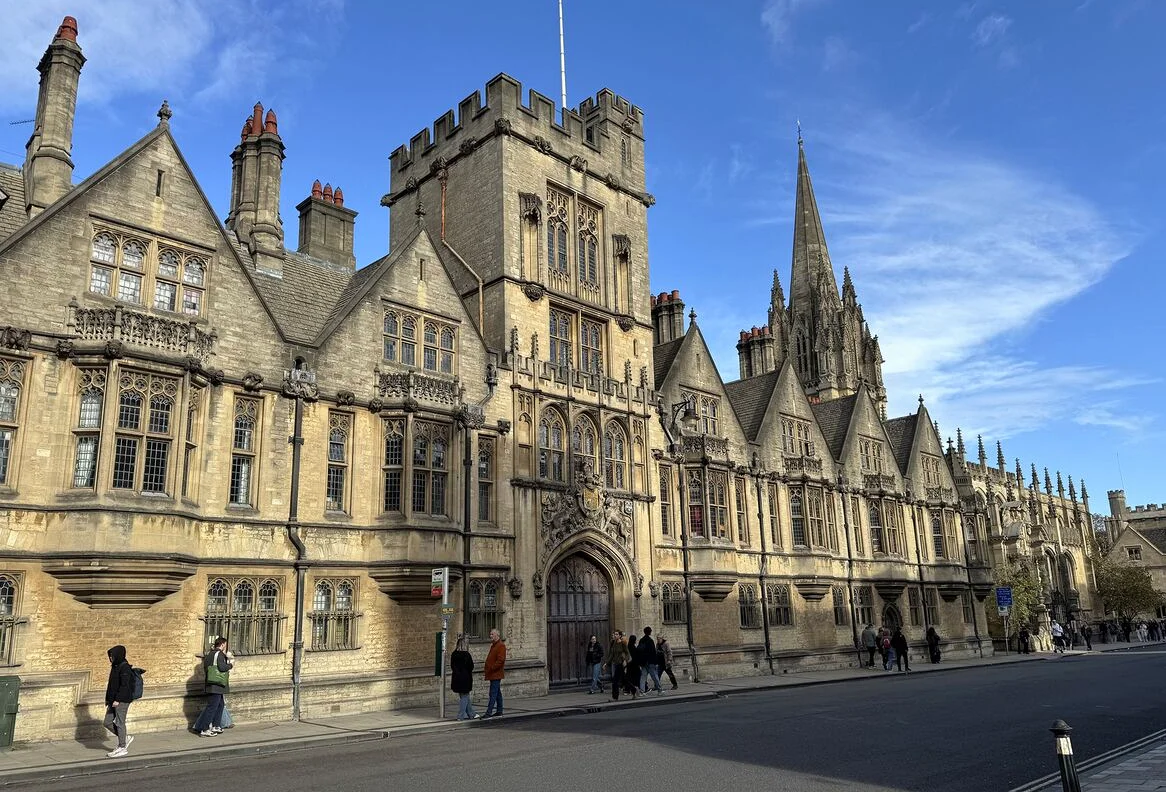
Oxford University’s vice-chancellor, Irene Tracey, has instructed legal experts and the university registrar to propose changes to its policies on harassment and bullying, according to a person familiar with the matter. The move comes after a series of allegations that the university has failed to protect female students and academics from inappropriate behavior.
Internal Review of Safeguarding Procedures
At a recent meeting, senior figures from the university’s colleges were told that Tracey had tasked legal experts and the registrar with making recommendations, the person said. Tracey did not respond to a request for comment, and the university’s spokesperson also declined to comment.
The university has previously stated that its safeguarding policy sets “clear behaviour standards for all members of the University community.” However, multiple individuals in leadership roles at Oxford have told Bloomberg News that the university urgently needs to enhance its procedures for safeguarding students and holding senior male academics accountable in cases of sexual misconduct.
Oxford, whose dozens of colleges are individual legal entities, needs to improve data-sharing between different parts of the institution to prioritize people’s safety when serious misconduct allegations are raised, the people said. While there are information-sharing agreements in place, the approach often seems fragmented, they added.
Emeritus Status and Accountability Gaps
Separately, the University and College Union (UCU) has called for Oxford to hold individuals with emeritus status more effectively to account. In an “emergency briefing” sent to members earlier this month, the UCU highlighted that Oxford’s governance framework treats emeritus staff as largely beyond the reach of standard disciplinary systems.
Emeritus status is an honorific title awarded to some staff on retirement. Emeritus fellows tend to retain access to their colleges for meals and to socialize with other senior staff. The UCU described this as creating “a category of senior academics with access but minimal oversight.”
The union also argued that in cases involving allegations of potentially criminal nature, the university’s threshold for taking action should be lower than the evidence required in court, especially given the low rates of reported and prosecuted cases. “Practices and procedures must be reviewed to ensure that they prioritise the establishment of safe learning and work environments, rather than protecting the reputation of senior academics,” the briefing said.
Previous Misconduct Cases Remain Unaddressed
In November, a Bloomberg investigation revealed that multiple male academics have remained in senior roles at Oxford for months or years after allegations of misconduct emerged against them. One of those professors, Miles Hewstone, retained a prestigious emeritus role at New College for six years after an internal investigation by the central university found he had harassed a female student. Those findings were kept confidential.
Hewstone left Oxford in 2019. He did not respond to Bloomberg’s request for comment. A spokesperson for New College did not comment, but a previous statement said: “New College cannot comment on any individual allegation, but the College takes allegations of sexual harassment very seriously, has strong procedures in place and invests in both training and welfare in support of this.”
Last week, a judge lifted an order granting Oxford anonymity in an employment tribunal claim brought by a female academic who alleges she was sexually harassed by the former dean of Oxford’s Said Business School. Oxford applied for the secrecy order last year.
Soumitra Dutta left his role as dean of the business school in September. He was found to have breached the university’s harassment policy in an investigation by the institution, which kept its findings confidential, according to multiple people familiar with the review. Dutta did not respond to a request for comment.
The calls for reform come amid growing scrutiny of Oxford’s handling of sexual harassment allegations. The university has faced criticism over its handling of past cases, with some arguing that its policies have not adequately protected victims or held perpetrators accountable. With the vice-chancellor now seeking legal input, the university is under pressure to implement meaningful changes to its safeguarding procedures.





Comments
No comments yet
Be the first to share your thoughts