

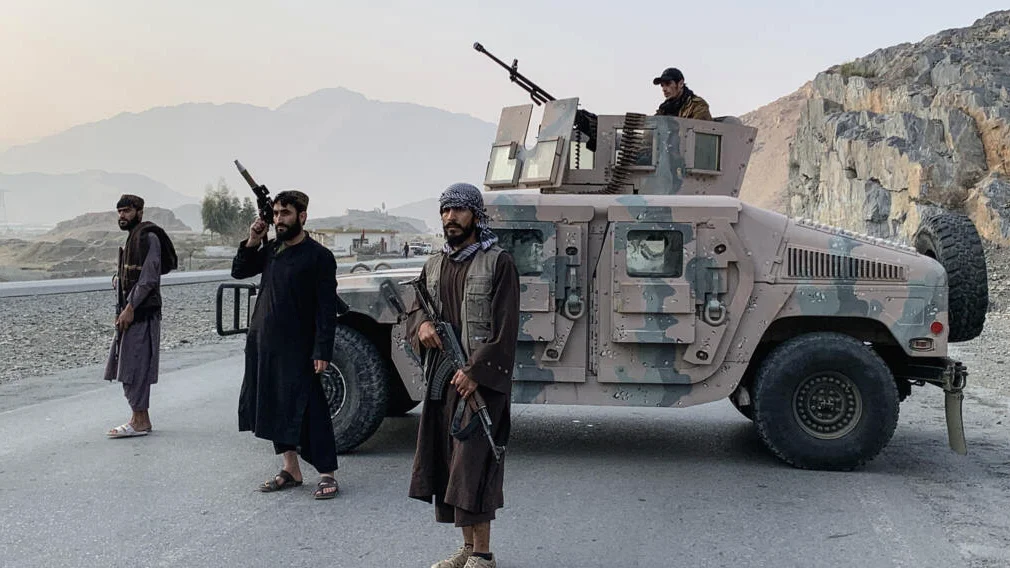
Pakistan has launched a military offensive against Afghanistan, bombing cities including Kabul and Kandahar in what officials describe as an escalation into open war with the Taliban-led government. Explosions were reported across Kabul early Friday, with residents describing loud blasts and smoke rising over parts of the city.
Targets in Kandahar and Paktia
Pakistani airstrikes also targeted provinces including Kandahar and Paktia, which Islamabad said were aimed at Taliban military infrastructure. According to Pakistan’s Defence Minister, Khawaja Asif, the situation has escalated into ‘open war’ between Islamabad and Afghanistan’s Taliban-led administration.
Earlier, the Taliban government’s spokesperson, Zabihullah Mujahid, said Afghanistan was conducting ‘large-scale offensive operations’ against Pakistani military positions along the Durand Line, the disputed border separating the two countries.
Escalation After Weeks of Tension
The escalation follows weeks of intermittent border clashes and cross-border exchanges of fire. Both governments have accused each other of harboring militant groups responsible for attacks across the frontier. Civilian casualties have been reported on both sides, with at least 30 people killed and over 100 injured in recent weeks, according to local hospitals.
The international community has expressed concern over the growing hostilities. The Secretary-General of the United Nations said he was closely monitoring developments and urged both sides to respect international law and protect civilians.
UN human rights officials also called for immediate political dialogue to prevent further loss of life and regional instability. ‘This is not a time for escalation but for de-escalation,’ said a statement from the UN Office of the High Commissioner for Human Rights.
Regional Powers Urge Diplomacy
Iran urged both countries to pursue negotiations. Iranian Foreign Minister Abbas Araghchi called for dialogue based on ‘good neighbourly principles’ and offered Tehran’s support in facilitating talks. ‘The stability of the region depends on cooperation between Pakistan and Afghanistan,’ he said in a statement.
Russia also appealed for restraint, with its foreign ministry calling for an immediate halt to cross-border attacks and expressing willingness to mediate if requested by both parties. ‘Any further aggression could have serious consequences for regional peace and security,’ a Russian official said.
Analysts warn that continued fighting could destabilise South and Central Asia, disrupt trade routes and displace civilians if a diplomatic solution is not reached. Fighting was reported to be ongoing along the Durand Line as of Friday, with both sides exchanging fire near key border outposts.
According to a report by the International Crisis Group, the conflict risks spilling over into Pakistan’s restive tribal areas, where militants have long been active. ‘The situation is highly volatile, and both sides need to show restraint,’ said a regional analyst.
What’s next is unclear, but both governments have indicated they are prepared to continue military operations unless a political resolution is reached. The UN has called for an emergency meeting of regional powers, with a deadline set for March 5 for both countries to commit to a ceasefire.
For ordinary people in both countries, the conflict threatens livelihoods, infrastructure, and security. In Kandahar, where airstrikes were reported, local officials said schools and hospitals have been damaged, forcing thousands to flee their homes. ‘We are tired of the violence,’ said one displaced family in a refugee camp near the border.





Comments
No comments yet
Be the first to share your thoughts