

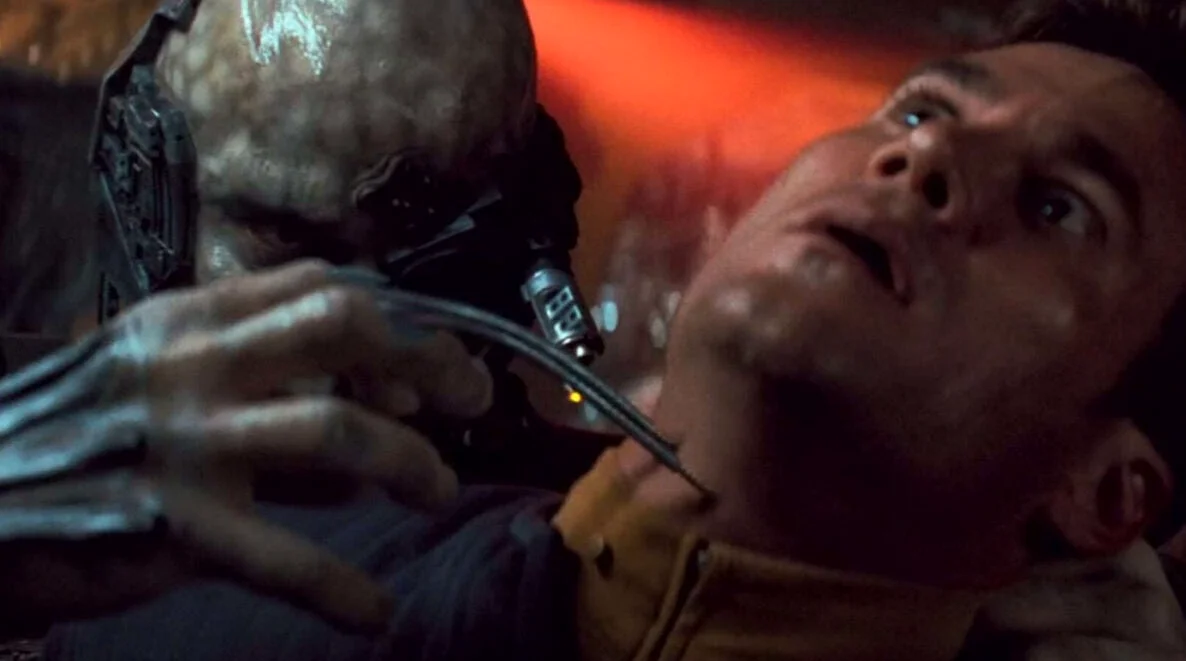
Paramount CEO David Ellison has confirmed that HBO Max will be merged with Paramount Plus if the proposed $110 billion acquisition of Warner Bros. is finalized. The merger would combine the two services, creating a streaming platform with more than 200 million direct-to-consumer subscribers. Ellison made the comments during an investor call, outlining his vision for a unified streaming strategy that would consolidate Paramount’s three services under one platform by mid-2024.
Consolidation of Streaming Services
Ellison said the merger would position Paramount to compete more effectively with industry leaders such as Netflix, Disney+, and Amazon Prime Video. The integration of HBO Max, which has a large library of popular content including the critically acclaimed Game of Thrones, with Paramount Plus would give the combined service access to a broader range of exclusive programming and global reach.
According to Variety, the proposed acquisition would see Skydance Media, which is owned by Ellison’s family, and Paramount Pictures combine forces to acquire Warner Bros. The deal, which is currently under review by the U.S. Department of Justice, is expected to reshape the media and entertainment industry by creating one of the largest content producers in the world.
Preserving HBO’s Identity
Despite the merger, Ellison emphasized that HBO would maintain a degree of independence. He stated that “HBO should stay HBO,” ensuring that the brand continues to produce and distribute its own content. This approach is similar to how other media conglomerates have handled the integration of acquired studios and streaming platforms.
Ellison also highlighted the importance of HBO’s iconic shows, including Game of Thrones, which he called his favorite. While he acknowledged that the brand would be incorporated into a broader Paramount ecosystem, he stressed that HBO would continue to innovate and expand its offerings.
Impact on Consumers and the Industry
The merger could have significant implications for consumers, including potential changes to subscription models, content availability, and pricing. While the combined service may offer a more extensive library of shows and movies, it could also lead to increased costs or reduced access to certain titles if the platform consolidates its offerings.
Analysts have speculated that the merger would make Paramount a stronger competitor in the streaming wars, but it could also face regulatory challenges. The U.S. Department of Justice is currently reviewing the deal to ensure it does not violate antitrust laws. A decision on the merger is expected by the end of the year, and the outcome could influence the future of the streaming industry.
Ellison described the acquisition as a step toward “reinventing the business” and building a “next generation media and entertainment company.” He expressed excitement about the transaction, stating that it would “accelerate that ambition.”
The proposed merger is part of a broader trend in the entertainment industry, where major studios are seeking to consolidate their power by acquiring competitors and expanding their streaming capabilities. Other companies, including Disney and Warner Bros. Discovery, have already taken similar steps in recent years.
As the deal moves forward, consumers and industry observers will be watching closely to see how the merger impacts the availability of content, subscription costs, and the overall streaming landscape.



Comments
No comments yet
Be the first to share your thoughts