

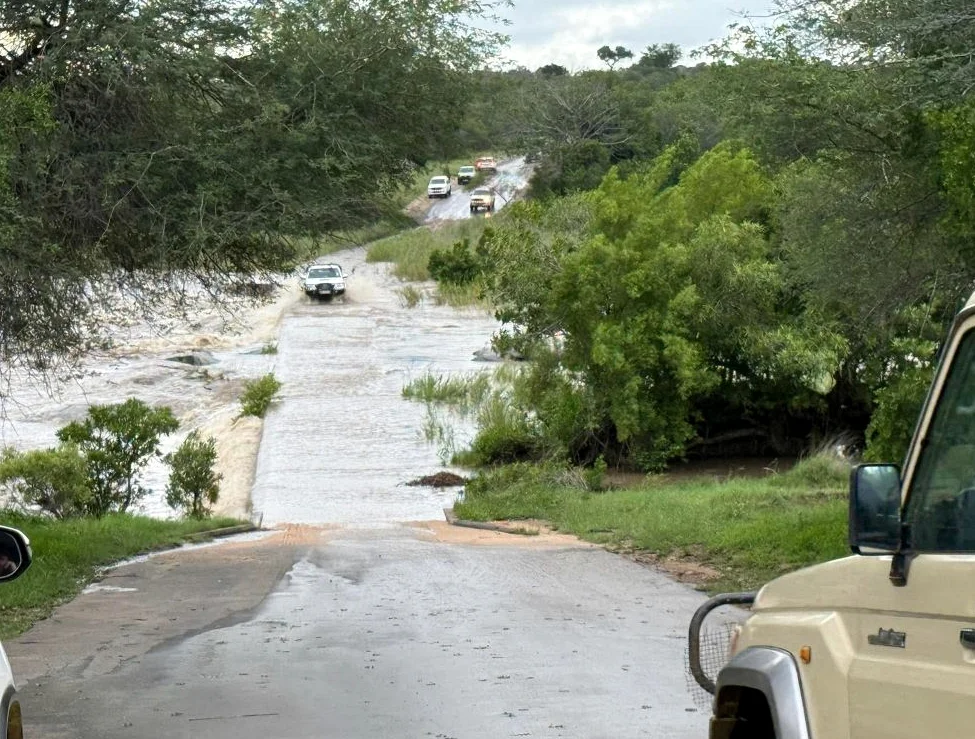
JOHANNESBURG — Motorists risked their lives crossing the flooded Sand River at Skukuza in Kruger National Park, Limpopo, as heavy rains battered the region. Parliamentary overseers documented similar dangers across districts during a week-long visit starting February 1.
In Matsakali village, Collins Chabane district, a single mother of three stood amid the ruins of her home. Tear-streaked, she burned waterlogged mattresses—among the last remnants of her possessions. Her children clustered close as she struggled to describe the loss. The delegation, from Parliament’s Portfolio Committee and Select Committee on Cooperative Governance and Traditional Affairs, witnessed such scenes repeatedly.
Roads had crumbled. Bridges buckled under floodwaters. Stormwater systems failed, isolating communities from clinics and schools. The day after the Matsakali visit, mayors from Collins Chabane Local Municipality and Vhembe District Municipality delivered food parcels and supplies at the delegation’s urging, officials said.
Conditions worsened in Tshakuma village, Makhado Local Municipality. Houses perched on a floodplain, endangering lives. Municipal officials must act beyond temporary aid, the group stated. Relocation to land already identified by the Department of Human Settlements demands urgent planning.
The team met municipal leaders, provincial authorities, traditional leaders and residents. They reviewed recovery timelines, mitigation strategies and infrastructure repairs. Firsthand views exposed chronic issues: underfunded maintenance, flawed land-use planning and poor coordination with locals.
Disaster response stays too reactive, according to the delegation. Predictable rains turn deadly when drains clog and bridges weaken from neglect. Municipalities must prioritize stormwater upgrades, road repairs and service continuity. Routine work cuts long-term costs and saves lives, reducing reliance on emergency grants.
Flooding recurs in multiple provinces. Weak spatial planning allows settlements in high-risk zones. Enforceable bylaws could halt this, preventing deaths and property losses. Thorough floodplain mapping, backed by flood risk data and climate forecasts, is essential, the report states.
Communities and traditional leaders hold key insights on past floods. Their input must shape planning. Accountability follows: regulations bind authorities, not just guide them. All government levels need alignment, with technical support and ongoing resident engagement.
Early warning systems must trigger action—seasonal checks on infrastructure, linked interventions. Local preparedness turns routine under this model. The Limpopo and Mpumalanga damage marks a pivot point. Intensifying weather tests governance resolve.
Dr. Zweli Mkhize, chairperson of the Portfolio Committee on Cooperative Governance and Traditional Affairs, led the delegation. Neglect amplifies climate impacts, he noted. Recommit to basics: resilient builds, enforced rules, community ties. Prevention beats endless recovery. Action starts now.





Comments
No comments yet
Be the first to share your thoughts