

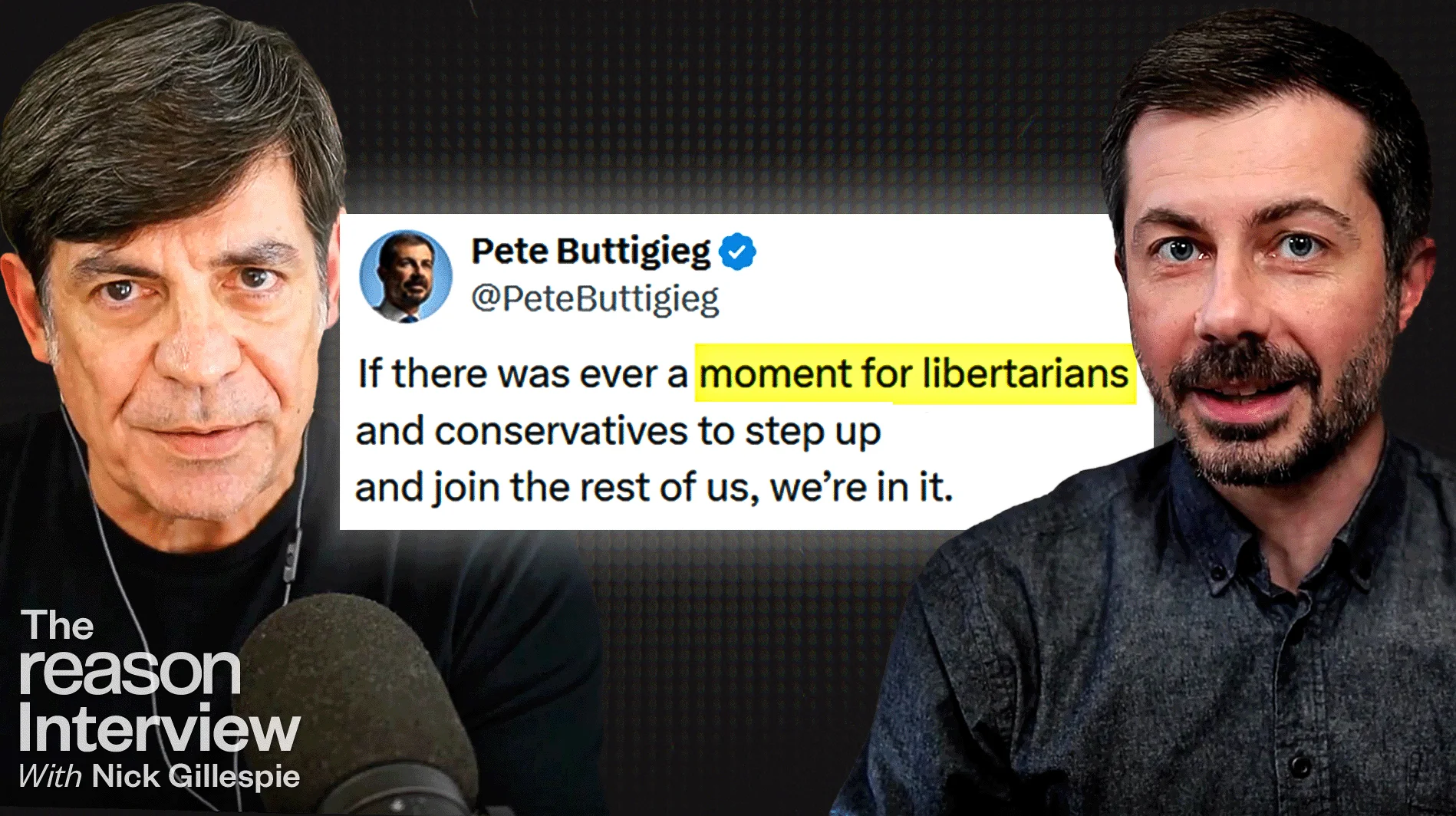
Pete Buttigieg, former mayor of South Bend, Indiana, and former U.S. Secretary of Transportation, has raised alarm over the declining public trust in federal agencies, particularly the Department of Homeland Security and its Immigration and Customs Enforcement (ICE) division. In a recent interview, Buttigieg argued that the use of militarized tactics, masked agents, and excessive force by federal immigration officers has contributed to a growing sense of unease among the American public.
Loss of Public Confidence in Federal Enforcement
According to Buttigieg, the erosion of trust is not just a political issue but a practical one that affects the functioning of government. He said, ‘If you’re here and you shouldn’t be and you’re dangerous, you’ve got to go, but it does not follow from that that it’s okay to see all of this abusive behavior coming from federal immigration troops in our cities.’
Buttigieg, who served as mayor of South Bend and oversaw a police department, emphasized the importance of transparency and accountability in restoring trust. He noted that during his tenure, trust was built through personal relationships between police officers and community members. ‘The policing worked best when people trusted those in uniform,’ he said. ‘They knew they would keep them safe and turn to them when they needed help.’
ICE’s Role and Public Perception
Critics of ICE argue that the agency has been too aggressive in its enforcement tactics, including conducting raids in politically sensitive areas and using masked agents. This has led to public concern about the potential for abuse of power. Buttigieg acknowledged that the issue has been exacerbated by the administration’s expansion of ICE’s workforce, which he said may have included undertrained personnel.
‘The training couldn’t have been as good as it was going to be beforehand,’ Buttigieg said, referring to the rapid hiring of new ICE agents. He called for a return to basic principles such as showing identification, using body cameras, and ensuring that officers are held accountable for their actions.
Buttigieg also noted that the breakdown of trust has been a long-term issue, one that has worsened in recent years. He cited a book he wrote several years ago on the topic, which he said has become even more relevant in the current climate.
Rebuilding Trust Through Reform
Buttigieg suggested that reforms could include measures to increase transparency, improve training, and ensure that federal agents are held to the same standards as local law enforcement. He argued that the public’s lack of trust in ICE and other federal agencies is not just a matter of perception but a real barrier to effective governance.
‘If we’re going to give you the power to use deadly force on American soil, potentially against citizen or non-citizen alike, there’s some really basic things we’re going to need from you,’ he said. ‘First of all, I think showing your face and identifying yourself and having a body camera, so there’s a record of what you’re doing.’
Buttigieg also acknowledged the complexity of the issue, noting that while there is broad agreement on the need to deport individuals who pose a danger to society, the execution of that policy has been contentious. He said that many Americans, regardless of political affiliation, believe that the current administration has not focused on the most dangerous individuals but has instead targeted those who are legal residents or have asylum status.
As the 2024 U.S. election approaches, Buttigieg’s comments are likely to be scrutinized by both Democrats and Republicans, who may look to his views as a potential roadmap for reforming federal agencies. His recent outreach to libertarian and conservative audiences suggests that he is positioning himself as a bridge between different political factions.
Buttigieg’s remarks come at a time when public confidence in federal institutions is at a low point. According to a recent Pew Research Center survey, only 36% of Americans have a great deal or a lot of trust in the federal government, down from 56% in 2000. This decline has been attributed to a range of factors, including the handling of the pandemic, the war in Ukraine, and the ongoing debate over immigration policy.
As Buttigieg continues to travel the country and engage with different audiences, his message of reform and accountability is likely to become a central theme in the broader political discourse leading up to the next election cycle.




Comments
No comments yet
Be the first to share your thoughts