

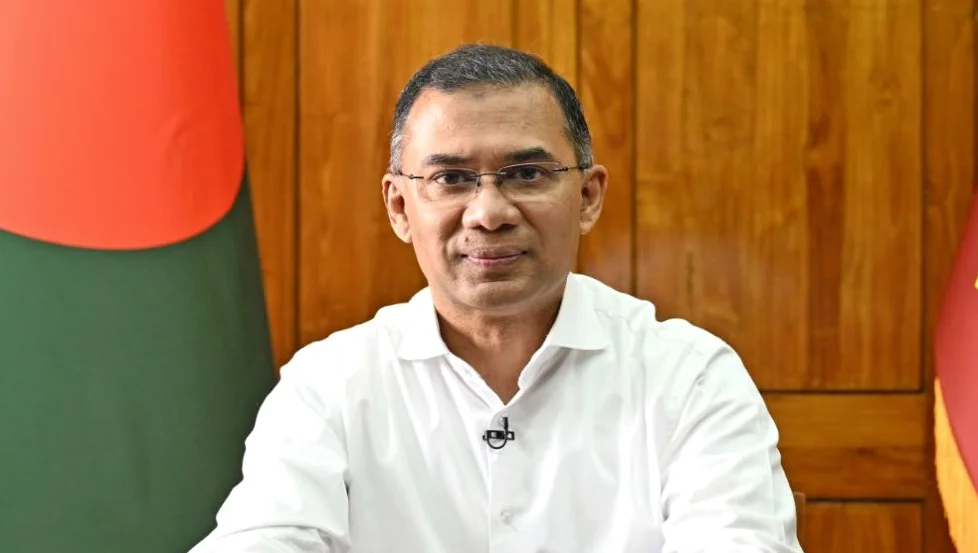
Bangladesh’s Prime Minister Tarique Rahman has called upon members of parliament (MPs) and public representatives to conduct cleanliness drives in their areas every Saturday to combat the spread of mosquito-borne diseases like dengue and chikungunya.
Public Health Emergency and Prevention Strategy
Speaking in a special video message to the nation, Rahman emphasized the importance of prevention in the government’s national health policy. ‘Prevention is better than cure’ is the core principle of the strategy, he said, highlighting the urgent need to address the public health crisis.
Dengue and chikungunya infections are primarily caused by the bite of the Aedes mosquito, according to experts. The prime minister noted that the disease is no longer confined to the monsoon season, which typically runs from June to October, and can now occur at any time of the year.
‘According to entomologists and public health specialists, the most effective way to control mosquito breeding is to keep drains, ponds, and sewers clean,’ Rahman said. He urged citizens to avoid stagnant water accumulation in places like flower pots, drums, buckets, discarded tyres, and rooftops.
Government Launches Nationwide Cleanliness Drive
The Prime Minister, who is also the chairman of the Bangladesh National Party (BNP), announced that a nationwide weekly cleanliness drive will be launched from 14 March next year, ahead of the monsoon season. This initiative aims to implement effective measures to prevent the spread of mosquito-borne diseases.
Local administrations have already begun taking steps to ensure the campaign is implemented across the country. Rahman expressed hope that these regular cleanliness drives would help protect the public from deadly diseases in the coming months.
‘The core principle of our government’s national health policy is prevention,’ he said. ‘Do not allow dirty water to accumulate anywhere. Keep your home and surroundings clean. Protect yourself from Aedes or Chikungunya. Protect yourselves and protect others.’
Importance of Awareness and Cleanliness
Rahman emphasized that awareness and cleanliness are the most effective ways to prevent dengue. He urged citizens to take proactive measures to keep their homes and surrounding areas clean at least once a week.
Water tanks should be properly covered, and homes and surrounding areas should be cleaned regularly. This, according to the Prime Minister, is a crucial step in preventing the spread of dengue and chikungunya.
Experts have long warned that Aedes mosquitoes breed in stagnant water, which can accumulate during the rainy season. Therefore, keeping drains, ponds, and sewers clean is essential in controlling mosquito breeding.
The government’s initiative is seen as a proactive measure to address the growing concern of mosquito-borne diseases in Bangladesh. With dengue outbreaks becoming more frequent and not confined to the monsoon season, the need for such measures is more pressing than ever.
Rahman’s call for MPs to conduct cleanliness drives every Saturday is expected to be a key part of the government’s strategy to combat the spread of dengue and chikungunya. This campaign is aimed at raising awareness and encouraging community participation in maintaining cleanliness to prevent the spread of these diseases.






Comments
No comments yet
Be the first to share your thoughts