

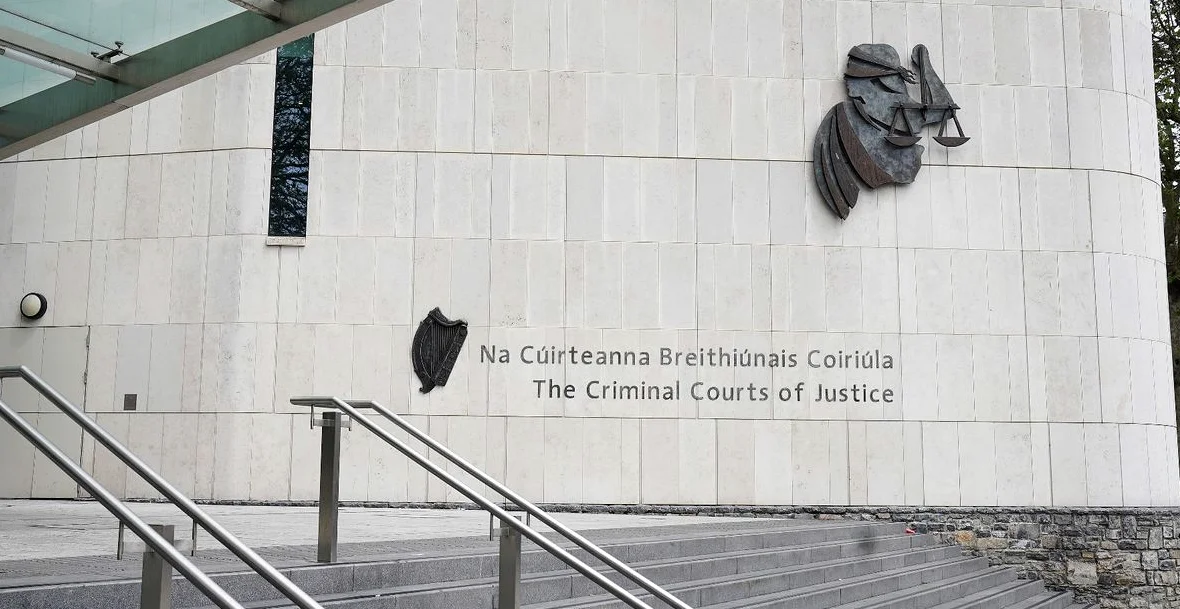
A parish priest in Dublin suffered a €50,000 loss after falling victim to a sophisticated phishing scam, according to reports from the Irish Mirror. The incident occurred when the priest attempted to pay a broadband fee through online banking, only to have his account drained over multiple attempts.
The Phishing Scheme and the Priest’s Claims
The priest, who was not named in the court proceedings, told Dublin Circuit Criminal Court that he believed the bank failed him as a customer. He expected the online banking system to prevent the unauthorized withdrawal of funds.
Kelvin Kleinovas (24), from Finglas, Dublin 11, pleaded guilty to having proceeds of crime in his bank account. He was given a suspended sentence after being found to have received €10,000 of the stolen funds.
The Timeline of the Fraud
Garda Bartholomew McCarthy stated that the priest reported the theft to gardaí after Bank of Ireland alerted him to suspicious activity and froze his account. The fraud began when the priest received a call from someone claiming to be from a broadband company, requesting a one-time fee of €5.
He was instructed to pay the fee online, with the screen going blank during the transaction but returning to continue processing. Over the next four days, the priest attempted the payment more than 40 times, resulting in the theft of almost €50,000.
The Role of Kelvin Kleinovas
Kleinovas was arrested in September 2021 and claimed he was approached to provide his bank details for a payment. He supplied the information but was never paid. He has seven previous convictions, including a two-year suspended sentence for money laundering.
Garda McCarthy confirmed that none of the stolen money was ever recovered. The priest submitted a victim impact statement, stating that the theft had a devastating effect on him and that he believed the bank should have prevented the fraud.
He described the fraudsters as emotionally stunted and said, ‘I suffer my loss and put it down to a hard loss.’ The priest thanked Garda McCarthy for his support during the investigation.
Judge’s Ruling and the Sentence
Judge Orla Crowe noted that the accused had committed the offense for gain and had previous convictions, including for money laundering. She called the act a ‘very reckless thing to do’ and said it facilitated a sophisticated phishing operation.
Despite these factors, the court gave Kleinovas a chance. She imposed a sentence of 18 months, suspended for three years, with the condition that he pay €2,000 to the injured party. Kleinovas’s defense acknowledged the fraud could not be committed without people like him involved.
What’s Next for the Priest and the Court
The priest has not received any recompense from the bank, and his case highlights the vulnerabilities in online banking systems. The court heard that Kleinovas is currently living in homeless accommodation and is struggling to find work, though he is involved with the Solas Project and spends time with his child.
Mr. Thompson, representing Kleinovas, noted that his client had written a letter of apology to the priest and handed over €2,000 today. However, the priest’s loss remains unrecovered, and the incident highlights the need for better fraud prevention measures in online transactions.
The case is expected to have implications for how banks handle customer fraud, especially in high-risk scenarios involving phishing schemes. It also raises questions about the adequacy of current banking safeguards to protect vulnerable users.






Comments
No comments yet
Be the first to share your thoughts