

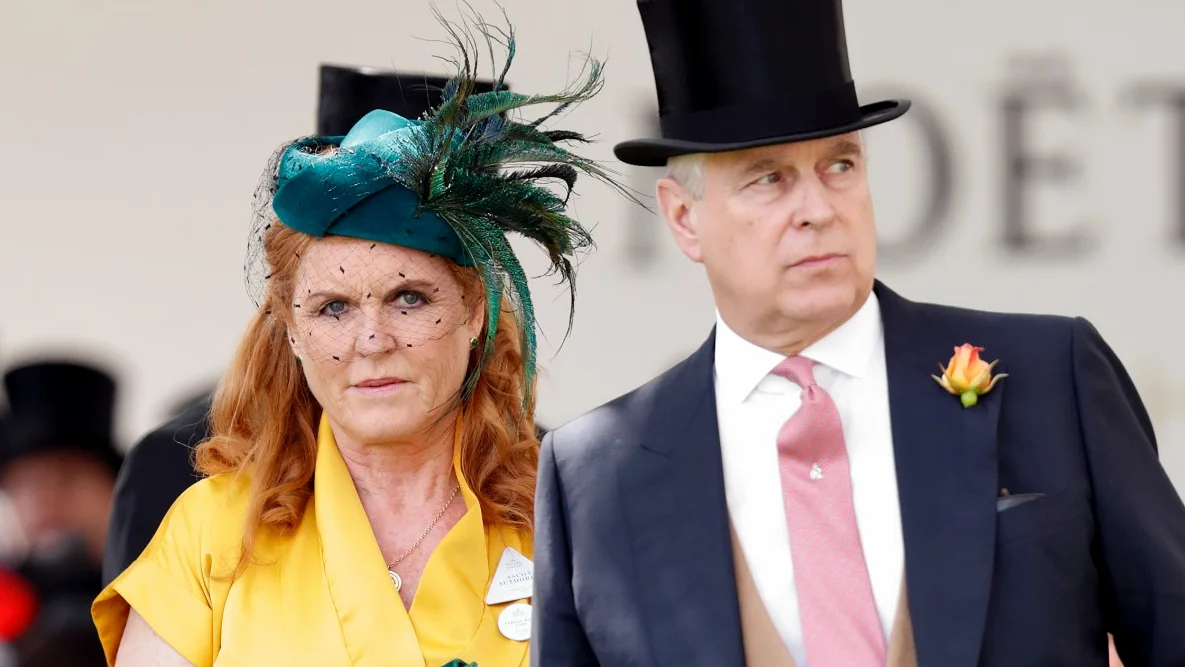
Police took Prince Andrew into custody Tuesday morning at his Windsor estate in Berkshire. Officers from the Metropolitan Police’s specialist crime command led the operation, which also involved searches at his London home on Avenue Road.
The 64-year-old duke, brother to King Charles III, remains under arrest as investigators probe allegations of misconduct in public office. The charge carries a maximum penalty of life in prison and stems from claims he abused his position during his time as a trade envoy and royal representative.
A source close to the investigation said officers acted on evidence gathered over 18 months, including witness statements from former staff and documents from his time at Buckingham Palace. “This is not connected to previous Epstein-related inquiries,” the source added. “It’s squarely about decisions he made in an official capacity between 2001 and 2011.”
Misconduct in public office requires proof that an officeholder willfully neglected their duty or misconducted themselves to gain benefit or cause harm. Courts have convicted police officers and councilors under the common law offense, but no sitting or former royal has faced it before.
Legal experts point to hurdles ahead. Prosecutors must show Andrew acted in his public role, not privately. The Crown Prosecution Service will review evidence before deciding on charges. A lawyer familiar with royal cases noted, “Sovereign immunity protects the king, but not his siblings. Still, juries hesitate with high-profile figures.”
The arrest caps a string of scandals for Andrew. He settled a U.S. civil suit with Virginia Giuffre in 2022 for an undisclosed sum over sexual abuse claims tied to Jeffrey Epstein. He lost his military titles and public funding that year. Palace officials stripped his HRH style for official duties.
King Charles III, protected by sovereign immunity, faces no such legal exposure. Constitutional scholars confirm the monarch cannot be prosecuted without parliamentary consent, a safeguard dating to the 17th century. Andrew, as duke, holds no such shield.
Supporters rallied outside Windsor Castle by midday, holding signs reading “Justice for Victims.” Anti-monarchy group Republic called it “a step toward accountability.” Buckingham Palace declined comment, citing an active police matter. Andrew’s lawyers said he denies wrongdoing and will cooperate fully.
Investigators seized computers, phones and paperwork from both sites. Forensic teams worked through the afternoon. No charges have been filed yet; Andrew was released on bail pending further inquiries.
The case draws parallels to 2019 convictions of two Met officers for misconduct over unlawful arrests. Those men got four-year sentences. Prosecutors here face added scrutiny given Andrew’s status. One former DPP said, “Public interest weighs heavily. A trial would dominate headlines for months.”
Andrew stepped back from duties in 2019 after a disastrous BBC interview about Epstein. He attended Christmas at Sandringham last year but skipped public events. Neighbors in Berkshire described police arriving at dawn with vans and dogs. “It was all very quiet, professional,” one said.
Details of the alleged misconduct remain sealed. Sources hint at contracts awarded to associates during Andrew’s trade role, possibly breaching fiduciary duties. The Met confirmed the arrest at 10:45 a.m. local time but gave no further comment.
As news spread, shares in firms linked to Andrew’s past ventures dipped slightly. Pitch@Palace, his startup initiative, shuttered in 2021. The duke’s net worth, once estimated at $5 million, has shrunk amid legal fees.
Prosecutors now hold the next cards. A charging decision could come within weeks, according to timelines in similar high-stakes probes.



Comments
No comments yet
Be the first to share your thoughts