

 Daily Mail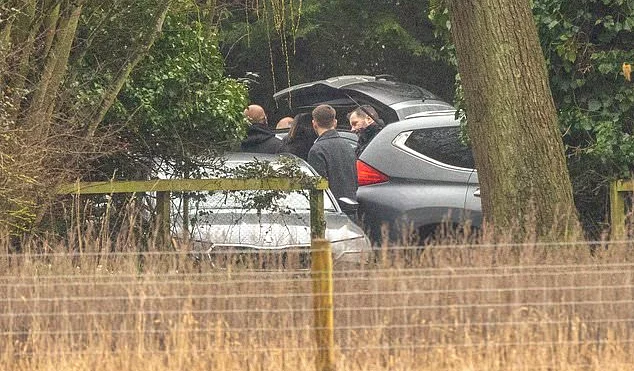
Plainclothes officers in a convoy of six vehicles arrived at Wood Farm on the Sandringham estate early Thursday, taking Prince Andrew Mountbatten-Windsor into custody. The arrest marks an unprecedented moment for the modern royal family. Officials from Thames Valley Police acted on allegations tied to his past association with Jeffrey Epstein, including claims he shared sensitive information during his role as UK trade envoy from 2001 to 2011.
Andrew, evicted from Royal Lodge amid the Epstein scandal, now faces questioning. Police can hold him up to 24 hours without charge, with possible extensions to 96 hours. He has the right to legal representation during interviews. Anything he says could form part of the case file sent to the Crown Prosecution Service once evidence collection ends.
Thames Valley Police previously reviewed claims that Epstein trafficked a woman to the UK for a sexual encounter with Andrew. The force opened a formal investigation after assessing the allegations. Assistant Chief Constable Oliver Wright said the probe aims to protect its integrity while working with partners. ‘We understand the significant public interest in this case,’ Wright stated, ‘and we will provide updates at the appropriate time.’
Misconduct in public office carries a maximum life sentence. Prosecutors must prove Andrew willfully neglected his duty in a way that undermines public trust. Gareth Martin, a specialist criminal defence lawyer at Olliers Solicitors, noted the high threshold. ‘The courts have been clear that it should only be used where the conduct is so blameworthy that it warrants criminal punishment,’ Martin said.
The arrest process deviated from norms for historical cases. Policing commentator Danny Shaw told Radio 5 Live that officers chose a home arrest for surprise and to enable immediate searches. ‘Making an arrest carries the element of surprise,’ Shaw said. ‘It enables them to do searches on the spot.’ He described such searches as invasive, allowing seizure of documents and devices. Shaw predicted Andrew would spend 24 to 48 hours in custody before release on bail.
Simarjot Singh Judge, managing partner at Judge Law, outlined standard procedures. Suspects get booked, fingerprinted, photographed and informed of the reason for arrest. They can consult solicitors privately before interviews under caution. In this case, questions would probe access to documents, intent and communications with third parties, Judge said. Former royal status offers no special treatment; procedures apply equally.
Royal biographer Andrew Lownie welcomed the move. Author of Entitled: The Rise and Fall of the House of York, Lownie told the Daily Mail he was pleased police acted quickly. He called for questioning of Andrew’s ex-wife Sarah Ferguson, former private secretary Amanda Thirsk and associate David Stern, citing their potential knowledge of Epstein-related activities.
King Charles III holds sovereign immunity as monarch, but other royals do not. Historical precedent exists: In 2002, Princess Anne received a £500 fine and criminal record after her dog bit two children in Windsor, pleading guilty under the Dangerous Dogs Act. She also faced speeding convictions.
Andrew remains in custody. Police declined to name him per national guidance and urged caution in reporting to avoid contempt of court proceedings. The nearest station to Sandringham is in King’s Lynn, run by Norfolk Police, though Thames Valley operates from sites including Kidlington, Slough and Windsor.






Comments
No comments yet
Be the first to share your thoughts