

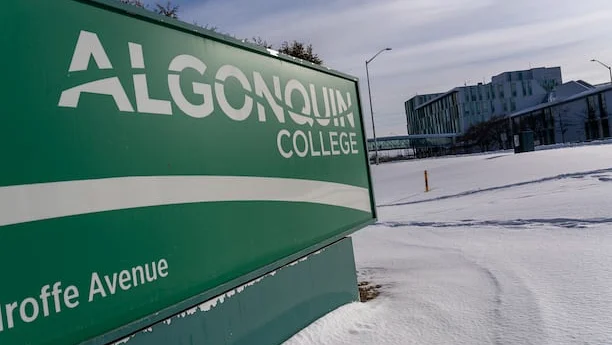
Algonquin College’s board of governors is scheduled to spend 35 minutes Monday night discussing the proposed suspension of 30 programs, including sustainable design, journalism, and hotel and restaurant management. However, program co-ordinators say they have received no clear explanation for why their programs are being targeted for elimination.
The Mystery Behind the Cuts
The proposed cuts were announced in late January, but Algonquin has not provided an interview to explain the decision. The college said the programs were assessed using a “consistent set of evidence-based criteria,” including financial contributions, enrolment trends, and alignment with the college’s priorities.
Despite this, several co-ordinators say they have not received any new information about how the programs were selected. Colin Mills, co-ordinator of the music industry arts program, said he has asked upper management for clarification but has received no response.
“We’ve had nothing, no new information since the proposed recommendations,” Mills said. “Can someone dig into the spreadsheet to see what that is? No one will dig into it, that’s my frustration.”
Financial Pressures and Student Impact
Algonquin has been facing financial pressures since the federal government capped the number of international students that post-secondary institutions can admit. International students typically pay higher tuition fees than domestic students, and this cap has had a significant impact on the college’s finances.
According to the college, it has also faced underfunding from the provincial government. However, it has allocated $13 million this year to complete a student information system that is expected to cost $91 million in total. The college has not explained how this spending aligns with the proposed program cuts.
Mills said his program has seen consistent growth in domestic student enrolment and that more than 90% of graduates find work in the music industry. He noted that international student numbers were low, and the program’s financial contribution remained stable between 2021 and 2025.
“It doesn’t make sense,” Mills said. “Our program hasn’t changed. Our numbers are consistent. We haven’t hired anyone, haven’t spent any money.”
Labor Market and Community Concerns
Tommy Wingreen, co-ordinator of the horticulture industries program, said he learned of the proposed cuts at a dean’s meeting. He said programs with low industry demand and low financial contribution would be recommended for suspension, while those with low financial contribution but high demand would be “managed.”
“It is clear to me, contrary to [Algonquin’s] communication, that the financial contribution is really the only consideration,” Wingreen said. He added that the horticulture program, which supports the landscaping community, falls under the province’s labour market needs.
Desideria Desjardins, co-ordinator of the applied museum studies program, said her graduates go on to work in national museums. She noted that the program is experiencing growing financial losses but was never consulted on how to reduce costs.
“I would hope that there would be room for some consideration for the real mandate of educating people for the local workforce, supporting our industries and the greater community,” Wingreen said.
Since the proposed cuts were announced, Ottawa’s music industry has rallied behind the music program, sending letters and petitions to the board. The community is concerned about the impact of the cuts on local industries and the workforce.
Algonquin’s board of governors has yet to provide a detailed explanation of the proposed program cuts, and co-ordinators say they remain frustrated and confused about the criteria being used to determine which programs will be suspended.






Comments
No comments yet
Be the first to share your thoughts