

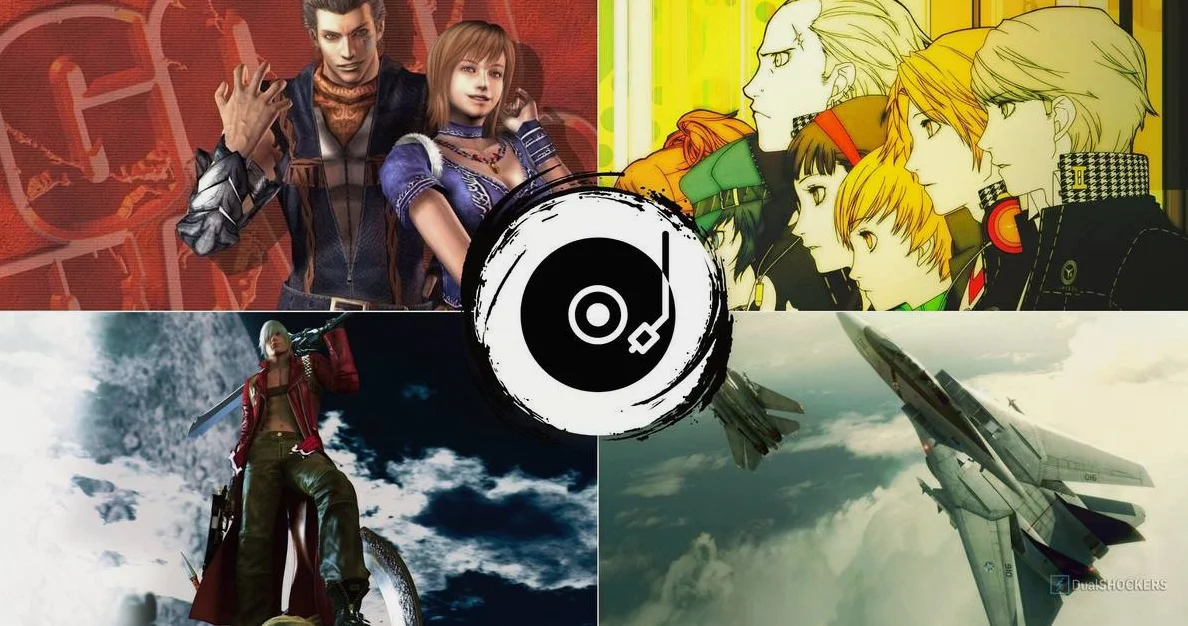
The PlayStation 2, released in 2000, marked a golden age for video game music, with soundtracks that still resonate today. From the gritty metal of Devil May Cry 3 to the haunting silence of Shadow of the Colossus, these soundtracks not only defined the gaming experience but also shaped music preferences for millions of players.
God Hand: A Cult Classic With a Unique Sound
Capcom’s God Hand, released in 2006, is a prime example of a game that defied expectations. Despite its initial commercial failure, its soundtrack remains a standout. Masafumi Takada’s work blended 1970s kung-fu movie music, cheesy Western guitar riffs, and funk basslines into a cohesive and energetic score. The soundtrack complements the game’s fast-paced combat, creating a rhythm that enhances the player’s experience.
“The music in God Hand is a wild mix of different influences, but it all comes together perfectly,” said one longtime fan. The game’s soundtrack has inspired future projects, including Danganronpa and Killer 7.
Shadow of the Colossus: Silence as a Powerful Tool
Team Ico’s Shadow of the Colossus, released in 2005, took a different approach. The game’s soundtrack is sparse, with music playing only during key moments. This deliberate use of silence creates an atmosphere of isolation and tension. When the music does play, such as in “The Opened Way” and “Revived Power,” it delivers a powerful orchestral impact, transforming each Colossus battle into a mythological experience.
Kow Otani’s score is notable for its structural setpieces, where each encounter with a Colossus is built around a specific musical theme. The result is a game that feels both epic and intimate.
Devil May Cry 3: The Soundtrack of Rebellion
Capcom’s Devil May Cry 3, released in 2005, is known for its stylish action and rebellious soundtrack. The music, featuring loud guitars and punchy percussion, perfectly matches Dante’s energetic personality. Tracks like “Devils Never Cry” have become anthems for fans, capturing the game’s emotional depth.
“The soundtrack in DMC 3 has a raw, gritty quality that feels authentic to the game’s rebellious spirit,” said a reviewer. While some tracks may repeat on extended playthroughs, the overall impact remains strong.
Tony Hawk’s Pro Skater 3: The Peak of Skate-Punk
Tony Hawk’s Pro Skater 3, released in 2001, reached the height of the franchise’s musical identity. The game’s soundtrack featured a wide range of tracks, from Motorhead to CKY, capturing the essence of early-2000s skate culture. The aggressive tempo of the music complements the gameplay, making each trick and combo feel more intense.
“THPS3 has the most cohesive soundtrack the series ever had,” said a long-time skate enthusiast. The blend of punk and California rock created a soundtrack that still feels relevant today.
Ace Combat 5: The Soundtrack of War
Ace Combat 5: The Unsung War, released in 2004, pushed the boundaries of video game soundtracks. With over 90 tracks, the game’s music sounded more like a film score than a typical video game BGM. The use of orchestral arrangements and choirs added a sense of urgency and drama to the gameplay.
“The music in Ace Combat 5 elevates the experience, making each mission feel like part of a larger narrative,” said a military aviation enthusiast. The game’s soundtrack is a testament to the PS2 era’s ambition in treating music as a storytelling tool.
Final Fantasy X: A Journey Through Music
Final Fantasy X, released in 2001, is another example of a game that used its soundtrack to enhance the narrative. The music, composed by Masato Nakamura, blends traditional Japanese elements with Western orchestration, creating a unique soundscape that complements the game’s themes of fate and destiny.
“The soundtrack in Final Fantasy X is essential to the game’s emotional impact,” said a long-time RPG fan. The music not only enhances the gameplay but also contributes to the overall story.
The PlayStation 2 era’s soundtracks continue to influence modern game design and music culture. As developers explore new ways to integrate music into gameplay, the legacy of the PS2 remains a benchmark for innovation and creativity.






Comments
No comments yet
Be the first to share your thoughts