

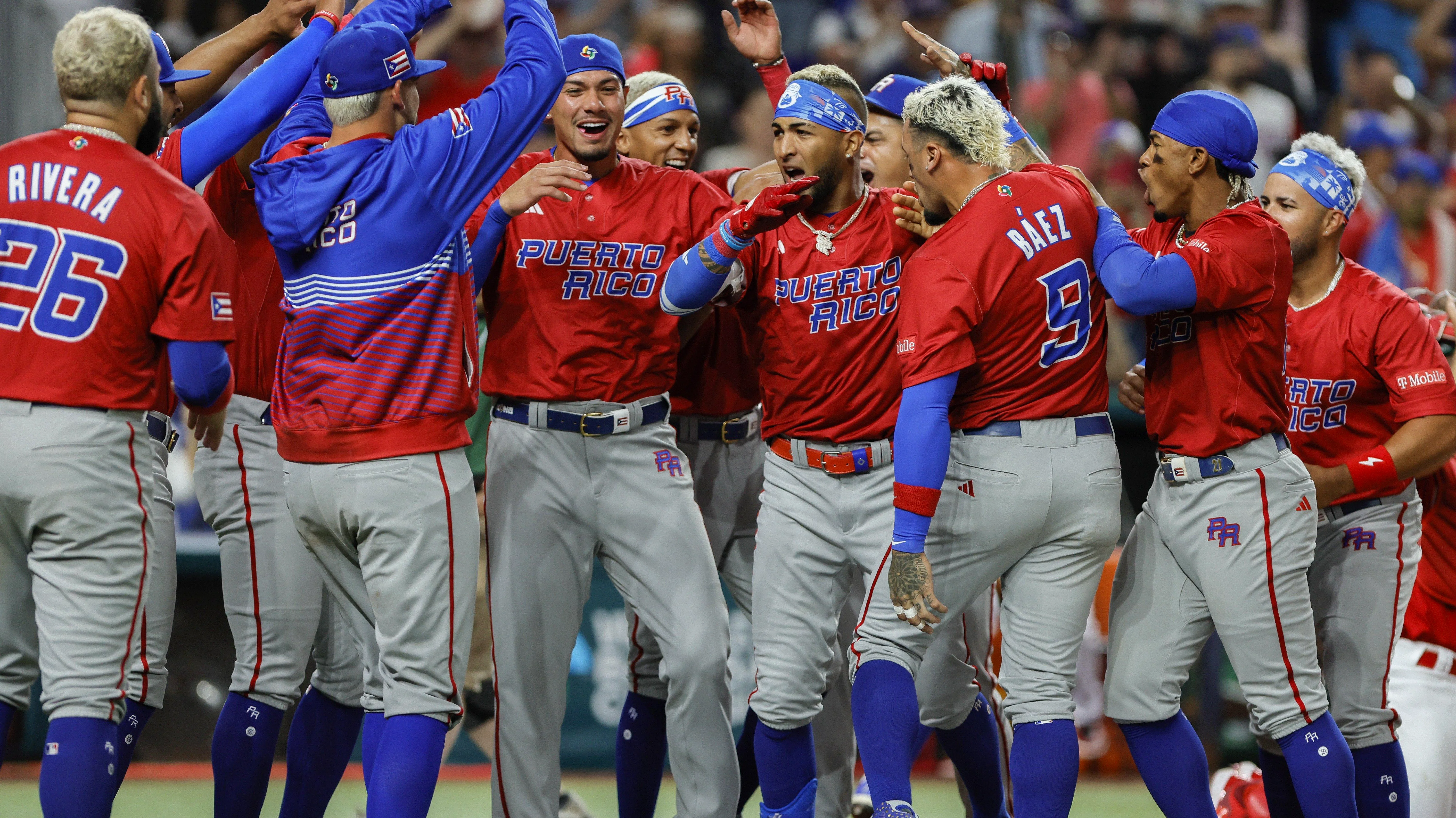
Puerto Rico is set to take the field in the 2026 World Baseball Classic as a separate team, a move that highlights its unique status in international sports. Despite being a U.S. territory, Puerto Rico will field its own national squad, led by stars like Nolan Arenado and Edwin Díaz, competing under its own flag in San Juan and Miami.
Geopolitical Status and Sport
Puerto Rico is not an independent country but an unincorporated U.S. territory. Its residents are U.S. citizens, though they lack voting rights in federal elections unless they reside in one of the 50 states. The island uses the U.S. dollar, follows U.S. federal laws, and is defended by the U.S. military. However, it has its own self-governing system, and the International Olympic Committee recognizes it as a separate ‘sporting nation.’
This distinction allows Puerto Rico to field its own teams in international competitions like the World Baseball Classic, separate from the United States. The World Baseball Softball Confederation (WBSC) and the International Olympic Committee (IOC) both recognize Puerto Rico’s National Olympic Committee, established in 1948, which gives it the authority to compete independently.
Eligibility Rules and Cultural Connection
The WBC’s eligibility rules are flexible and prioritize cultural heritage and lineage. Players can represent Puerto Rico if they were born on the island, are residents, or have a parent or grandparent born there. This rule enables a large portion of the Puerto Rican diaspora, including MLB stars born in the U.S., to play for Puerto Rico.
According to the WBSC, this system allows for a broader representation of cultural identity, which is crucial for teams like Puerto Rico, where baseball is deeply ingrained in the national culture. The island’s population has a strong historical connection to the sport, with baseball being the most popular pastime for over a century.
Political Future and Current Debates
The island’s political future remains a central issue. In a November 2024 referendum, nearly 59% of voters chose statehood over independence or free association, continuing a trend that has seen Puerto Rico consistently reject its current territorial status.
Despite this, Puerto Rico remains an unincorporated territory because only the U.S. Congress has the legal power to admit a new state. The transition to statehood is stalled by political concerns in Washington, where leaders often disagree on the potential impact of adding two new senators and several representatives on the balance of power.
Even with the election of pro-statehood Governor Jenniffer González-Colón in 2026, the island’s status remains in a symbolic limbo without a binding act from Congress. The U.S. Congress has not passed a law to grant Puerto Rico statehood, despite the local mandate.
According to experts, the lack of legislative action has left Puerto Rico in a state of political uncertainty, where its residents continue to live under the U.S. Constitution but without the full representation that comes with statehood.
The 2026 WBC is a reminder of the island’s distinct identity, both in sport and politics. While Puerto Rico’s residents are U.S. citizens, their political status remains a contentious issue in the U.S. Congress, with no clear resolution in sight.
As the tournament approaches, the question of Puerto Rico’s status will remain at the forefront of both sports and political discussions. The island’s unique position in international sports like the WBC reflects its broader geopolitical complexities, which continue to shape the lives of its residents.




Comments
No comments yet
Be the first to share your thoughts