

 World Headlines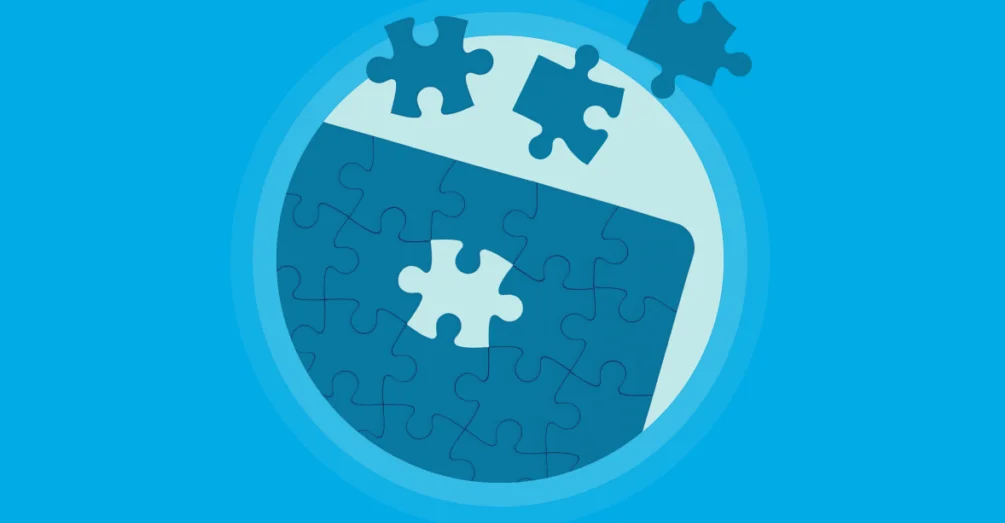
LOS ANGELES (AP) — Jodi Jill finishes the puzzle in about 10 minutes. She drops her tray table, spreads the pieces and dives in. ‘It lets me control something right in front of me,’ Jill said. Turbulence no longer dominates her thoughts during flights.
Jill has turned puzzles into a career and a cause. She creates them professionally and started Puzzle Day, celebrated worldwide on Jan. 29, along with Puzzle Month every January. Puzzles offered escape during her tough childhood in Los Angeles. ‘I found friends in puzzles,’ she said.
On a recent weekday, Jill wrapped up three small puzzles by 10:30 a.m. ‘It’s how I clear my mind and gear up for the day,’ she said. Sitting down with the pieces forces her to pause.
Experts back her approach. Amy Dykstra, a Calgary psychologist trained in play therapy, said adults need more play for mental health. ‘Lightness, fun, creativity and relaxation matter,’ Dykstra said.
Children’s puzzles suit busy adults better than massive 3,000-piece sets, like Van Gogh replicas demanding 30 hours. People with ADHD often struggle to start tasks. A quick puzzle provides that first win. ‘The momentum carries into tougher jobs,’ Dykstra said.
Puzzles double as mindfulness tools. The hands-on matching of shapes and colors grounds users in the moment. Stress loses its grip. ‘Puzzles beat sitting still with eyes closed or audio guides for most folks,’ Dykstra said.
Jill stocks up on 100-piece options from dollar stores and 7-Eleven shops. Bright designs draw her in — national parks, animals, space scenes. She recently finished a Yellowstone puzzle. ‘It pulls me to a happy place, dreaming of vacation,’ she said.
Slot puzzles into daily gaps, Jill advises. Try one at lunch, between Zoom calls, on phone chats or during TV time. Keep stakes low. No timers, no framing pressure. ‘Pick what sparks joy,’ she said. ‘You don’t even have to finish.’
Not into jigsaws? Switch to word searches, crosswords or Sudoku. Jill travels with extras to share. One puzzle for the outbound flight, another for return. She hands them off at journey’s end. ‘Puzzles spread joy without politics or religion,’ she said. ‘They’re life’s little journeys in pieces.’
Dykstra sees broad appeal. From stressed flyers to task-avoiders, simple puzzles reset the brain. Jill’s routine proves it: three puzzles before noon, mind cleared, day launched.



Comments
No comments yet
Be the first to share your thoughts