

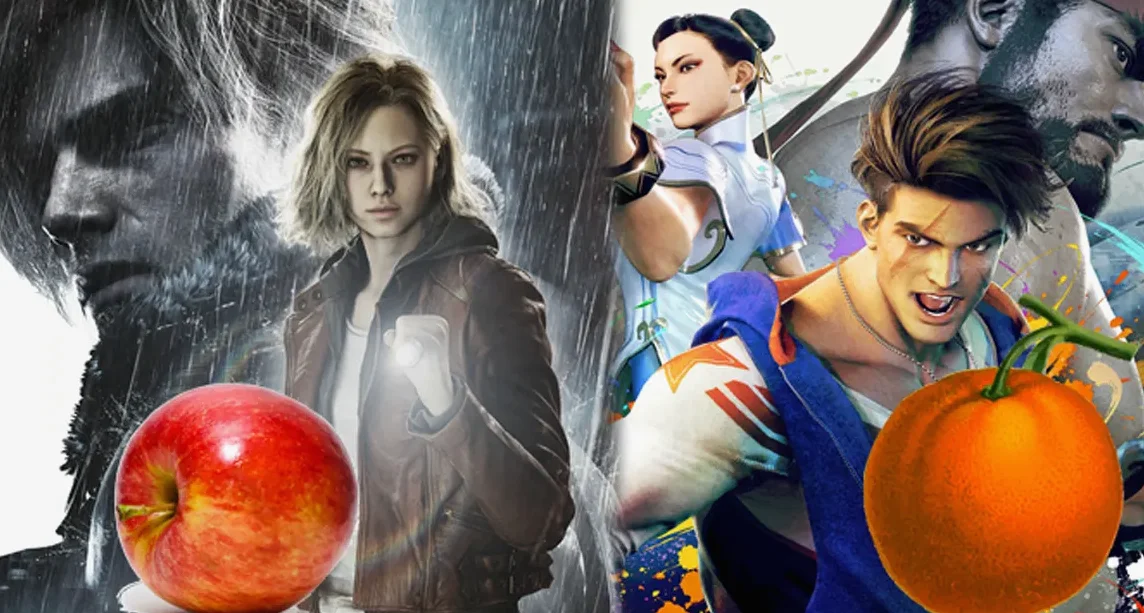
Capcom’s Resident Evil Requiem has stunned the gaming industry with its explosive sales performance, selling 5 million copies in just five days after its launch last week. This achievement marks the fastest-selling entry in the Resident Evil franchise, outpacing even the highly anticipated Resident Evil 2 remake, which sold 3 million units in its first week. The rapid success of Requiem has sparked comparisons with Street Fighter 6, which took two full years to reach the same 5 million unit milestone.
Impact on Fighting Game Sales
The sales figures highlight the stark contrast between survival horror and fighting games in the broader market. Street Fighter 6, which sold 6.36 million units as of last year, has been the most successful fighting game of the generation. However, Requiem nearly matched that total in just five days, highlighting the different trajectories of these two genres.
Despite the difference in sales, Street Fighter 6 remains a commercial success, with a sales pace more than double that of its predecessor, Street Fighter 5. According to Capcom’s recent business reports, the game has continued to perform well and is often highlighted as a key driver of the company’s growth.
Genre Niche and Expectations
The success of Requiem serves as a reminder that fighting games have long occupied a niche market. The Street Fighter franchise, which saw its peak in the 1990s with the release of Street Fighter 2, has since experienced a decline in mainstream popularity. Today, the genre remains popular among dedicated fans but has not achieved the same level of mass appeal as franchises like Resident Evil or Monster Hunter.
Capcom itself has learned over the years that trying to force fighting games into a broader audience can be counterproductive. A notable example is the Devil May Cry franchise, where Devil May Cry 4 was the best-selling entry at the time but still fell short of the company’s expectations. This led to a reboot of the series, which ultimately alienated some of the original fanbase.
More recently, Mortal Kombat 1 became the highest-selling fighting game of the current generation, reaching 6.2 million copies by August 2023. Despite this success, Warner Bros. reportedly ended support for the game after just 18 months, signaling a disconnect between corporate expectations and the realities of the fighting game market.
Organic Growth and Community Building
Capcom has since adopted a more realistic approach to its various franchises, recognizing that each game has its own audience and growth potential. Resident Evil, Street Fighter, and Mega Man each have their own fanbase and market dynamics, and the company has been more successful in using these differences.
However, this does not mean that the fighting game community lacks potential for growth. The SNK World Championship, which offers millions in prize money, has struggled to attract large audiences to titles like Fatal Fury: City of the Wolves and The King of Fighters 15. This suggests that while fighting games can achieve high levels of competition, they may not yet have the same mainstream appeal as other genres.
Capcom has also been making strategic moves, such as transferring talent from the Street Fighter 6 team to the Monster Hunter project. This shift indicates that the company is prioritizing different aspects of its portfolio, though Street Fighter remains an important part of its lineup.
Ultimately, the best way to grow the fighting game community is through organic engagement. Encouraging players to share their passion with others and showcasing the unique appeal of these games can help attract new fans without forcing the genre into a different mold.
As the gaming industry continues to evolve, the distinction between genres remains clear. Resident Evil Requiem may have nearly matched Street Fighter 6 in sales, but the two games serve different purposes and cater to different audiences. This is not a failure for either franchise, but a reflection of the diverse landscape of modern gaming.





Comments
No comments yet
Be the first to share your thoughts