

 The Guardian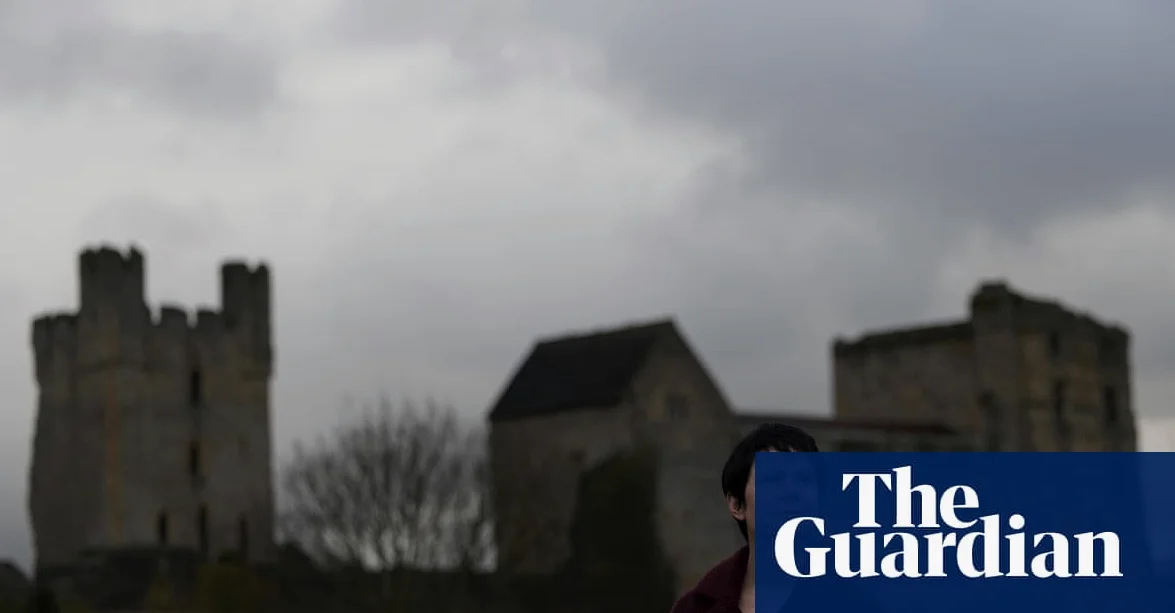
In the shadow of a ruined castle on the North York Moors, a small group of attendees gathered on a recent twilight to witness the gradual descent into darkness. No artificial lights, no phone screens—just the quiet hush of nature as the sun set and the stars emerged. This was the UK’s first ‘dusking’ event, a revival of a Dutch tradition that once brought families together at the end of the day to observe the coming of night.
Origins of Dusking and Its Modern Revival
The practice of dusking, or ‘schemeren’ in Dutch, dates back to the 18th century, according to poet and author Marjolijn van Heemstra, who is credited with reviving the ritual in recent years. Van Heemstra learned about the tradition from an elderly woman in the Netherlands who remembered sitting with her parents to watch the world darken before lighting the lamps. She discovered historical references to the practice, including a detailed how-to manual from the 1700s.
Van Heemstra began organizing guided dusking events, drawing hundreds of participants in places like Amsterdam and Eindhoven. In 2025, the Park theatre in Eindhoven started holding regular dusking sessions. She has also expanded the practice internationally, hosting events in Ireland, Germany, and now the UK. ‘It had disappeared, but now memories are coming back,’ she says. ‘What else have we forgotten?’
Health Benefits and Mindfulness
Van Heemstra describes dusking as a form of mindfulness, akin to meditation but with a focus on the external world rather than internal reflection. ‘It’s a conversation with the world around you,’ she says. The practice is gaining attention as a way to combat modern ailments like screen addiction and the ‘attention crisis’ she says is prevalent in the Netherlands.
Research from University College London in 2023 found that light pollution suppresses melatonin and disrupts circadian rhythms, which can lead to sleep disorders, mood disorders, obesity, and even cancer. Van Heemstra acknowledges these effects but argues that the real victims are wildlife. ‘The real victims are the birds, the trees,’ she says.
Jenny Hall, a professor of cultural geographies at York St John University, wrote in the Conversation last month that artificial light at night ‘impairs some species’ ability to find their way around and is a cause of declining populations of insects, bats and other nocturnal fauna.’
Environmental and Health Impacts of Light Pollution
According to a study published in January 2026, LED lighting has reduced the night-time activity of moths—important pollinators—by up to 85%. Another study found that light pollution has disturbed the spring development of trees and shrubs. Light pollution is a global issue; a 2023 study published in the journal Science found that the average night sky worldwide got 9.6% brighter every year from 2011 to 2022. Last year, a study found that only 10% of people in the western hemisphere experience dark skies with no artificial light.
Van Heemstra is particularly concerned about the Netherlands, which she says is one of the most light-polluted countries in the world. ‘It’s small and flat, so light is everywhere,’ she says. She has even been known to turn off lamp-posts near her home in Amsterdam, though she now can’t do so legally.
Despite the challenges, awareness of light pollution is growing. Since 2001, 250 locations in 22 countries have been certified as ‘dark sky places’ and are protected from excessive artificial light. In the UK, 22 sites have been designated as dark sky places, including the North York Moors national park, which was given the highest classification of dark sky reserve in 2020—among only 25 ‘gold tier’ parks globally.
Van Heemstra remains optimistic about the future of dusking. ‘You don’t have to go into a dark forest. All you need is a chair and a view,’ she says. ‘It’s cheap, easy and a nice thought exercise—we live on a planet, miracles are happening every day and we can witness them.’
As dusking gains popularity, it raises questions about how modern life can be adjusted to allow for more natural rhythms and interactions with the environment. With events planned for 2026, including outreach to schools and youth groups, the practice may soon become a regular part of daily life for more people across Europe and beyond.






Comments
No comments yet
Be the first to share your thoughts