


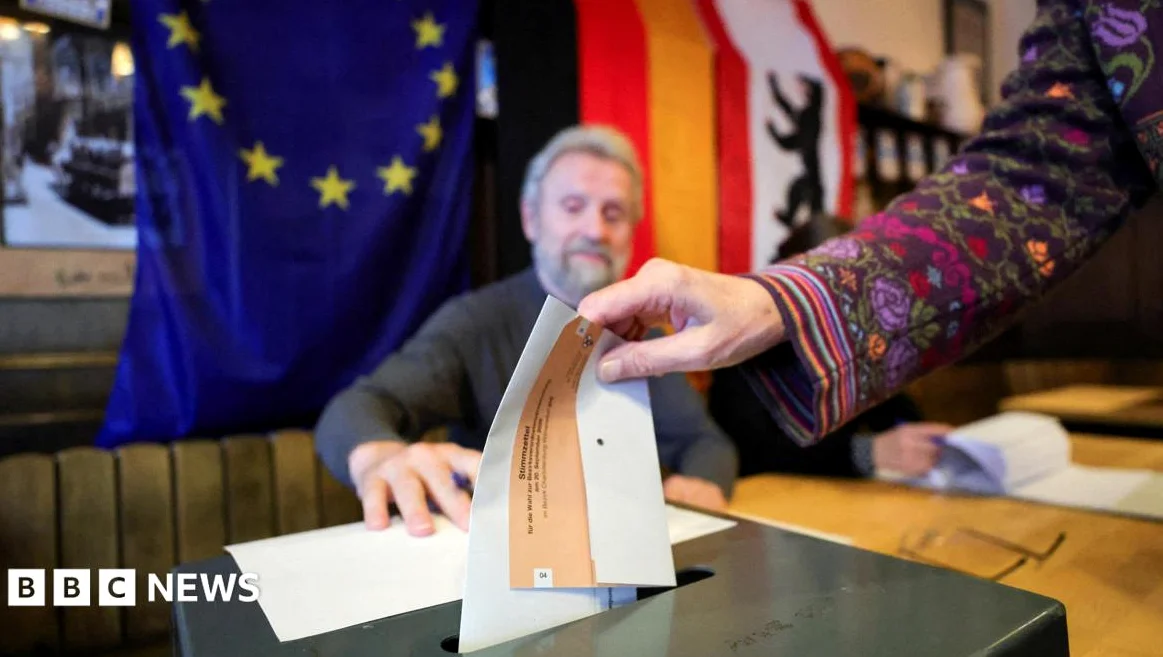
In a rare display of voter engagement, nearly 30% of Robbinsville’s registered voters turned out for the mid-year election on March 5, 2024, to vote on a proposed $5 million school tax increase. The measure, which would have raised property taxes for residents, was soundly defeated, with 62% of voters opposing the increase. This outcome highlights growing public frustration with local government spending and the perceived lack of fiscal accountability in school districts across New Jersey.
The Tax Increase and Its Implications
The proposed tax increase was justified by local school officials as necessary to maintain sports programs, reduce class sizes, and address budget shortfalls caused by state funding cuts. According to the Robbinsville School District, the additional revenue would be used to cover rising operational costs, including utilities, maintenance, and staff salaries. However, critics argued that the district had not adequately addressed internal inefficiencies or budget overruns before seeking new taxes.
Residents were particularly concerned about the timing of the vote, which came in the middle of the year when many voters were less engaged. ‘We were blindsided by the proposal,’ said Susan, a Robbinsville resident who called in to a local news station to share her perspective. ‘The school board didn’t give us a chance to fully understand the implications before asking for more money.’ According to the Robbinsville School Board, the tax increase was necessary due to a projected $3 million shortfall for the 2024-2025 school year.
The rejection of the tax increase was a significant blow to the school district, which had already faced criticism for its bloated administrative budget. The district’s administrative costs have risen by 15% over the past five years, despite a 5% decrease in the number of students. This has led to calls for greater transparency and reform within the district’s financial practices.
What Analysts Say About the Outcome
Political analysts have pointed to the Robbinsville vote as a potential indicator of broader trends in New Jersey, where public sentiment toward local government spending is increasingly negative. ‘This is a clear message to school boards and local officials that voters are tired of being asked for more money without clear accountability,’ said Dr. Lisa Carter, a political scientist at Rutgers University. ‘Residents want to see real reforms and better use of existing resources before they are asked to pay more.’
According to a recent survey by the New Jersey League of Municipalities, over 60% of residents believe that local governments are not doing enough to control spending. This sentiment has been growing since the mid-2020s, with several towns across the state rejecting similar tax increases in recent years.
Robbinsville is not the first town in New Jersey to reject a school tax increase. In 2022, residents in Toms River voted against a $40 million increase, which had been heavily by then-school board members. That vote sparked a public debate and even involved former New York Mets player Todd Frazier, who criticized the proposal in a local forum.
Why This Matters for Ordinary Residents
For the average Robbinsville resident, the rejection of the tax increase could mean more stability in their household budgets. Property taxes in the town have already risen by 12% over the past three years, and many homeowners are struggling to keep up with the costs of housing, healthcare, and other essentials. ‘This is a relief,’ said John Martinez, a local father of two. ‘We don’t want to see our taxes go up again without a clear plan for how the money will be used.’
The decision also sends a message to school officials that voters are not easily swayed by emotional appeals about the need for sports programs or smaller class sizes. Instead, residents are demanding more concrete evidence that the district is using its existing resources efficiently.
Local school board members have not yet commented on the outcome of the vote, but officials are expected to hold a special meeting in the coming weeks to discuss the financial implications. The district’s budget for the 2024-2025 school year is currently under review, and officials may need to explore alternative funding sources or reallocate existing resources to cover the shortfall.
According to the New Jersey Department of Education, school districts across the state have faced significant funding cuts in recent years, with over 30% of districts reporting budget shortfalls in 2023. This has led to increased pressure on local governments to cover the gap, often through property taxes.
The Robbinsville vote may also have implications for future elections. With more residents becoming aware of the mid-year voting process, there could be a shift in how local governments approach budget decisions. ‘If voters continue to reject tax increases without clear justification, it will force school boards to be more transparent and fiscally responsible,’ said Dr. Carter. ‘This could lead to long-term changes in how local governments operate.’
What happens next will depend on the decisions made by the Robbinsville School Board. If officials are unable to find alternative funding solutions, they may face difficult choices in the coming months, including potential cuts to programs or services. However, the recent vote has already signaled that residents are ready to hold their leaders accountable for fiscal decisions.




Comments
No comments yet
Be the first to share your thoughts