

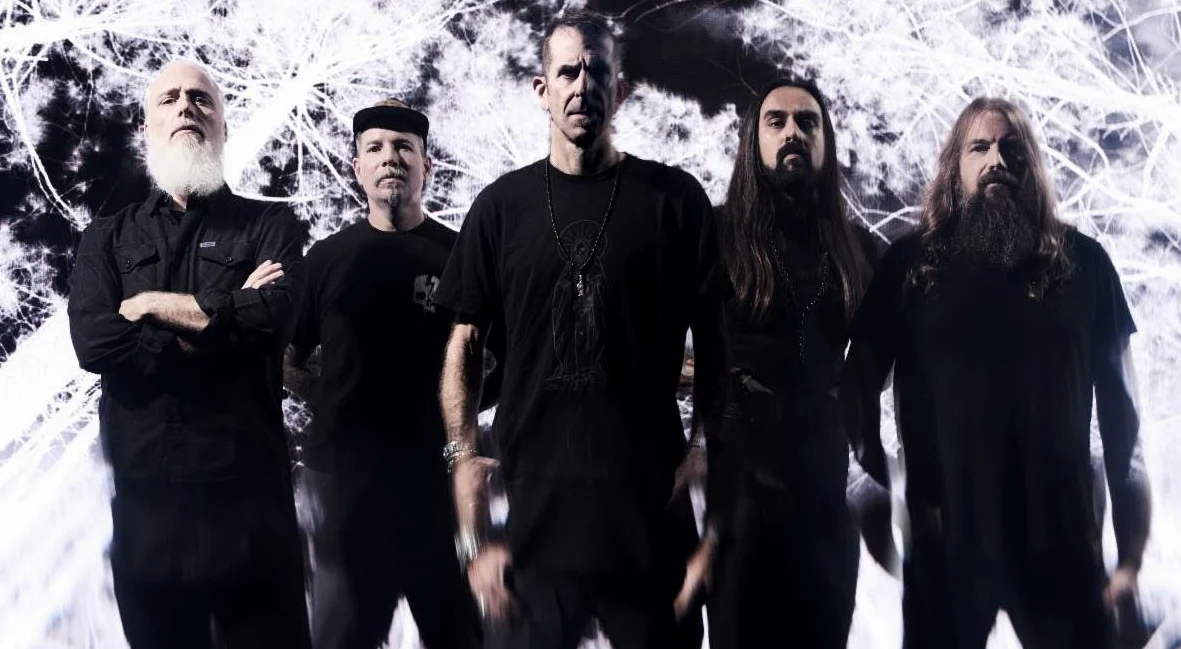
In 2019, the band Slaves announced a dramatic change—not just in their music, but in their name. The group, which had released three albums under the name Slaves, rebranded as Rain City Drive in support of the Black Lives Matter movement and to distance themselves from the name’s perceived negative connotations.
From Slaves to Rain City Drive
The band Slaves formed in 2014 with members Colin Vieira, Weston Richmond, Juan Felipe Sanchez, Zachary Baker, and Jonny Craig. Craig, who had previously been the vocalist for Dance Gavin Dance and Emarosa, left the band in 2019 due to struggles with substance abuse. His replacement, Matt McAndrew, was a finalist on The Voice Season 7.
Following the departure of Craig, the band announced they would rebrand. Their final album, To Better Days, was released under the name Slaves in 2020, but the group has since rebranded it as their first release under the name Rain City Drive.
“We felt the name Slaves carried a lot of weight that we weren’t comfortable with anymore,” the band stated in a press release. “Rain City Drive feels more like who we are now, and it aligns with our values and the message we want to put out.”
A Name Change That Built a Legacy
Another notable example of a rock band changing its name is Lamb Of God, which was originally called Burn The Priest. The band formed in 1994 in Richmond, Virginia, with members John Campbell, Chris Adler, Mark Morton, Matt Conner, and Randy Blythe.
The group’s original name led to frequent confusion, with fans mistaking the band for a satanic group. As a result, they decided to rebrand and adopted the name Lamb Of God. The name change marked the beginning of their rise to prominence in the metal scene.
Lamb Of God has since released 12 studio albums, with their most recent, Into Oblivion, set to release on March 13. The band has also revisited their original name in the form of a covers album, Legion: XX, released in 2018.
“We didn’t just abandon our old name; we embraced it again for a special project,” said Chris Adler, the band’s drummer.
The Heaven & Hell Era
Another significant name change in rock history came after the departure of Ronnie James Dio from Black Sabbath in the late 1970s. Dio, who had joined the band in 1980, helped shape the sound of the band’s Heaven and Hell and Mob Rules albums. After Dio left the band, he returned in the early 2000s to collaborate with Black Sabbath on new material.
Rather than release a new Black Sabbath album, the group formed a new project called Heaven & Hell, named after Dio’s first album with the band. The project released one album, The Devil You Know, before Dio’s untimely death from cancer in 2010.
The final show of the Heaven & Hell tour in Atlantic City, New Jersey, became Dio’s last performance. The tour was a tribute to his legacy and the music he created with Black Sabbath.
“Ronnie was the heart and soul of the band during that time,” said Geezer Butler, a member of Black Sabbath. “He brought a unique voice and energy that we will always remember.”
The name changes of these bands have had lasting impacts on their legacies and fan bases. While some rebranding efforts have been controversial, others have helped redefine the direction of the bands’ music and message. For fans, these changes often represent a shift in the band’s identity and the themes they wish to explore in their work.
As the rock scene continues to evolve, it remains to be seen how other bands will approach name changes and rebranding in the future. Whether for artistic reasons, social movements, or personal growth, these decisions shape the trajectory of the bands and the music they create.






Comments
No comments yet
Be the first to share your thoughts