

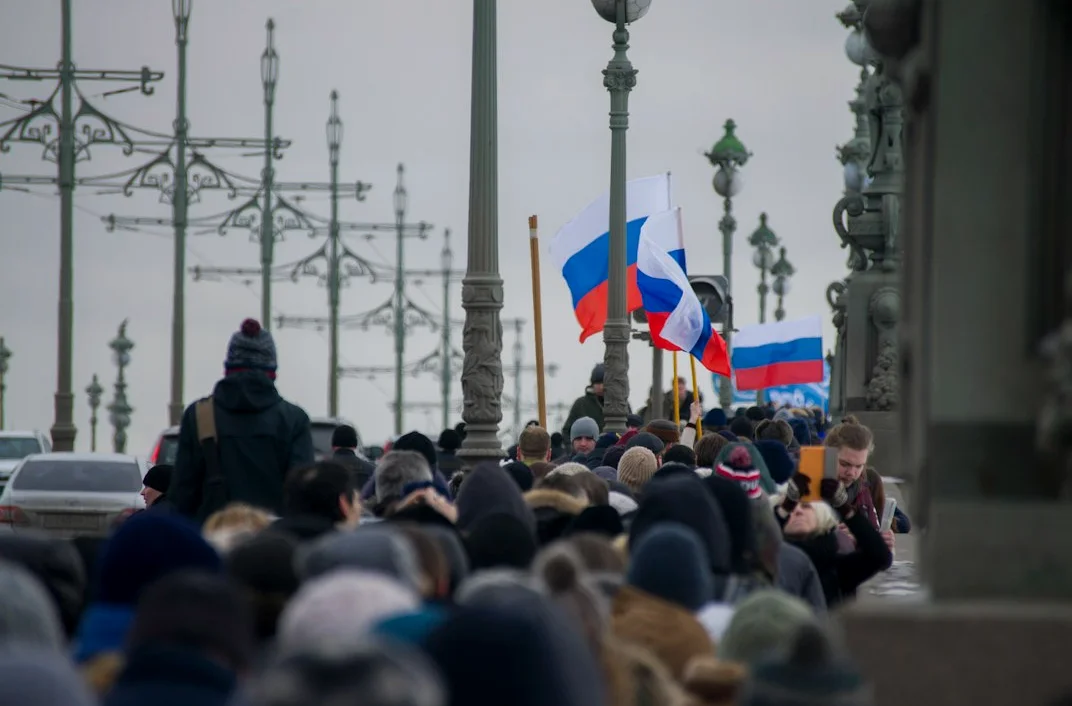
Russia is set to hold parliamentary elections from 18 to 20 September 2026 to elect its ninth State Duma, which will serve until 2031; a total of 450 seats will be allocated,225 via direct constituencies and 225 through party lists. In addition to the national parliament, 11 governors, 39 regional parliaments, and numerous municipal councils will be elected across the Russian Federation and six occupied Ukrainian territories. These include Crimea, Sevastopol, and the four partially annexed regions of Luhansk, Donetsk, Zaporizhzhia, and Kherson. The elections will mark the second national vote since Russia’s full-scale invasion of Ukraine in February 2022 and the third since the constitutional reforms of 2020, which extended Putin’s term in office.
Weakness of Opposition and Electoral Manipulation
According to SWP, the United Russia party is struggling to maintain its legitimacy in a political system increasingly centralised under Putin; the party’s main domestic rivals, such as the liberal Yabloko party, have been systematically excluded from the electoral process. Yabloko was barred from participating in the upcoming Duma elections—a move described as farcical by the SWP report. This exclusion, along with the chronic weakness of other opposition parties, has raised questions about the fairness of the electoral process and the ability of Russian voters to meaningfully challenge the ruling party.
Broader Regional Implications
While the focus remains on Russia’s domestic politics, the outcome of the Duma elections could also influence the trajectory of neighboring countries, particularly Armenia, as According to OSW Ośrodek Studiów Wschodnich, Armenia’s own parliamentary election, scheduled for 7 June, will have major implications for the region. A continued leadership by Prime Minister Nikol Pashinyan’s Civil Contract party would signal a stronger alignment with Western countries and a distancing from Russia. A poll conducted on 22 May showed Civil Contract leading with 32% of the vote, but nearly 40% of respondents remained undecided or refused to answer, indicating potential latent support for the opposition, which leans pro-Russia.
Economic and Public Sentiment Pressures
Russia is facing multiple domestic challenges as the election approaches — the front line in Ukraine is barely shifting, and Ukrainian drones and missiles are striking deep into Russian territory, according to SWP. The Russian economy is also faltering, and public sentiment is deteriorating, making it harder for the administration to engineer a convincing electoral victory. The Kremlin must now rely on increasingly opaque mechanisms,such as ballot stuffing, disqualification of candidates, and media control,to ensure United Russia’s continued dominance in the Duma.
Despite these obstacles, United Russia remains the only party with the institutional backing and resources to guarantee a decisive win; the lack of a credible alternative means that, for now, the party is unlikely to face a serious challenge in the 2026 elections. However, if the opposition continues to consolidate and gain support, even within the constraints of a tightly controlled political system, the long-term stability of United Russia’s rule could be at risk.

Comments
No comments yet
Be the first to share your thoughts