

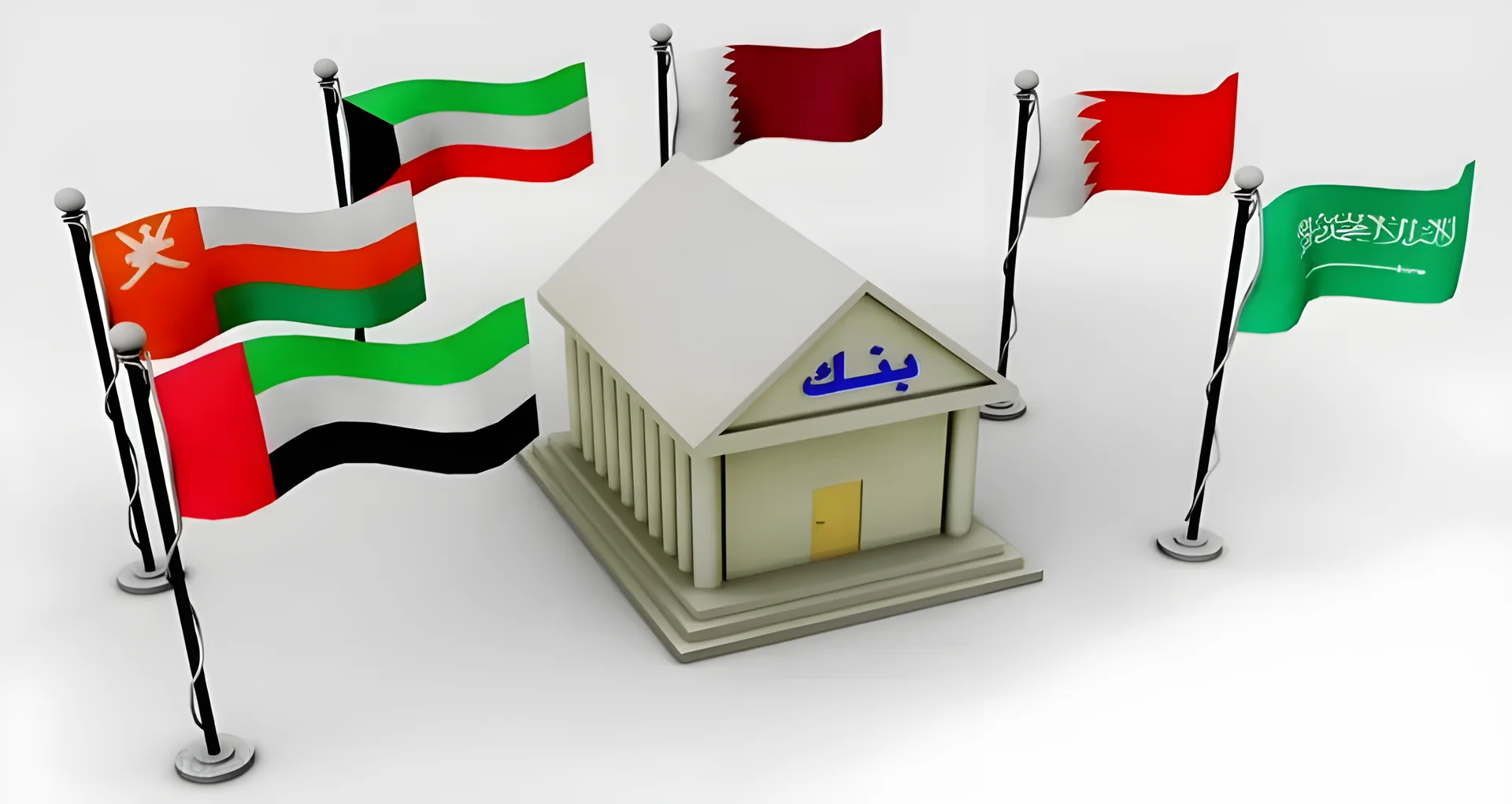
S&P Global Ratings has warned that while Gulf banks have so far managed to maintain operational effectiveness through continuity plans, their ability to withstand further shocks remains under scrutiny. The agency’s analysis suggests that the current conflict, which it assumes will last between two weeks and four weeks, could lead to more severe stress tests for banks, particularly in the long term.
Operational Resilience and Cyber Threats
According to the report, Gulf banks have activated continuity plans, including shifting employees to remote work and limiting the number of open branches to a strict minimum. Some banks have experienced temporary service disruptions following drone attacks on data centers, but the use of multiple data centers, including some outside the region, has allowed for flexibility in operations.
“Some banks have already resumed operations from their offices or have not transitioned to remote work in areas where the security situation allows,” the report states. While S&P assumes a potential outflow of capital under its stress scenarios, it notes that the external liquidity of Gulf banks is capable of absorbing large hypothetical capital flows without requiring government or external support, except in Bahrain and Qatar.
Debt Exposure and Regional Support
Bahraini retail banks are seen as more vulnerable due to recent increases in external debt, although the risk is somewhat mitigated by the fact that a significant portion of their foreign debt is owed to regional creditors who may have an interest in maintaining stability to avoid broader regional contagion.
Qatari banks, meanwhile, face potential liquidity gaps in the event of large capital flight, but the amounts involved are manageable and represent a small fraction of the support provided during previous geopolitical crises. After recent investment portfolio reductions, the banks are expected to have around $630 billion available for use.
“Four of the six Gulf countries are expected to provide significant support to their banking systems if needed,” the report adds. Since the start of hostilities, S&P has noted that regional regulators have intensified their oversight of banking systems, with some indicating readiness to provide assistance if required.
Asset Quality and Economic Impact
While S&P expects the war to impact key economic sectors such as logistics, transportation, tourism, and consumer sectors like real estate and retail, the full impact on banks’ asset quality indicators will take time to materialize.
“The overall financial performance of banks is expected to decline in 2026, with the extent of the decline depending on the duration of the conflict and its impact on local economies,” the report states. Gulf banks are facing these challenges from a strong capital base, with an average Tier 1 capital ratio of 17.1% for the top 45 banks in the region as of the end of 2025.
Asset quality, meanwhile, has an average of 2.5% non-performing loans and a coverage ratio of 158.7% for the top 45 banks in the region. Under a high-stress scenario, S&P assumes either a 50% increase in non-performing loan balances or 7% of total loans being non-performing, whichever is higher.
“Under this scenario, banks are assumed to cover 100% of non-performing loans using current reserves, leading to cumulative losses of approximately $37 billion for the top 45 Gulf banks,” the report notes. This compares to a net income of around $66 billion by the end of 2025, with a significant number of banks recording losses.
During previous shocks, such as the COVID-19 pandemic, regulatory authorities introduced relief measures that enabled banking systems to absorb potential loan value declines over time. S&P expects similar actions to be taken in the event of a comparable shock.
As the conflict continues, the resilience of Gulf banks will be tested further, with the potential for both short-term disruptions and long-term economic shifts. The ability of banks to manage these challenges will depend on both internal preparedness and external support, as well as the evolving geopolitical landscape in the region.




Comments
No comments yet
Be the first to share your thoughts