

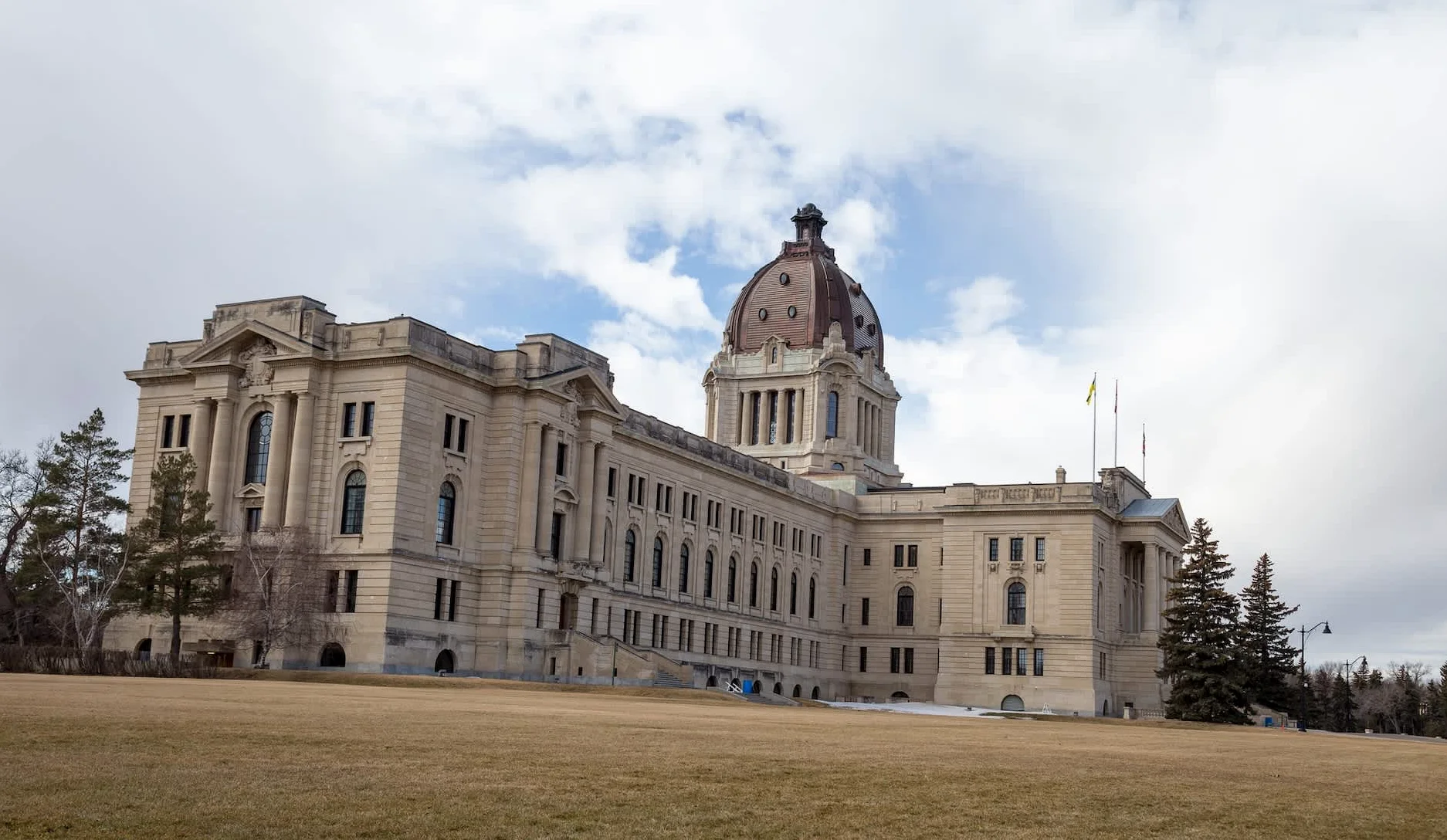
Saskatchewan’s government is under fire for considering a new initiative to build a nuclear power plant in the province, with environmental experts and critics warning of the potential economic and ecological consequences.
Push for Nuclear Energy Amid Climate Goals
The Saskatchewan government, in collaboration with electrical company SaskPower, is reportedly evaluating the feasibility of constructing a new nuclear reactor to support the local economy and reduce carbon emissions. The proposed facility would use uranium sourced from within the province, a move that has drawn both interest and concern from various stakeholders.
According to a report by the Canadian Broadcasting Corporation (CBC), the government has not yet selected a specific location for the reactor but has identified Estevan as a likely site for a small modular reactor. This is not the first time nuclear energy has been considered in the province, but previous attempts were rejected due to high costs and concerns over radioactive waste.
“Once you spend all that money on nuclear power, you don’t have it to spend on other options,” said Peter Prebble, director of the Saskatchewan Environmental Society. He criticized the government’s approach, stating that the province is taking a ‘real irresponsible position’ in favor of nuclear energy over other alternatives.
High Costs and Environmental Risks
Building a large nuclear reactor is projected to cost billions of dollars, according to Prebble, with the financial burden expected to fall on taxpayers. This raises concerns about the long-term economic sustainability of such a project, especially in a province where energy costs and infrastructure development are already a point of contention.
Environmental experts also point out that nuclear energy is not the cleanest or most cost-effective option. Unlike renewable sources such as solar or wind, nuclear power plants generate radioactive waste and require significant upfront investment. Prebble emphasized that solar panels or wind energy would be cheaper and more environmentally friendly alternatives.
“Solar panels or wind energy would be a cheaper and more environmentally friendly option,” Prebble told CBC, highlighting the potential of renewable energy sources in meeting the province’s energy needs without the associated risks of nuclear power.
Environmental risks, including the possibility of water contamination and the danger of accidents that could endanger workers, are also major concerns. These risks have been raised by experts who argue that the long-term safety and environmental impact of nuclear energy have not been fully addressed in the current proposal.
Public Health and Future Implications
Public health considerations are another key factor in the debate. The potential for water contamination and the risk of accidents at a nuclear facility have led to growing concerns among residents and environmental groups. These issues have not yet been fully addressed in the government’s proposal, adding to the controversy.
While the government has not officially announced a timeline for the project, the potential for a decision in the near future has led to increased calls for transparency and public consultation. Environmental groups are urging officials to consider the long-term implications of such a project and to explore alternative energy solutions.
The push for nuclear energy comes at a time when many provinces across Canada are investing in renewable energy sources as part of broader climate change mitigation efforts. Saskatchewan’s decision to revisit nuclear power could have significant implications for the province’s energy policy and its alignment with national climate goals.
With the debate over nuclear energy in Saskatchewan gaining momentum, the next few months will be crucial in determining whether the province will pursue this controversial path or explore more sustainable and economically viable alternatives.






Comments
No comments yet
Be the first to share your thoughts