

 The Guardian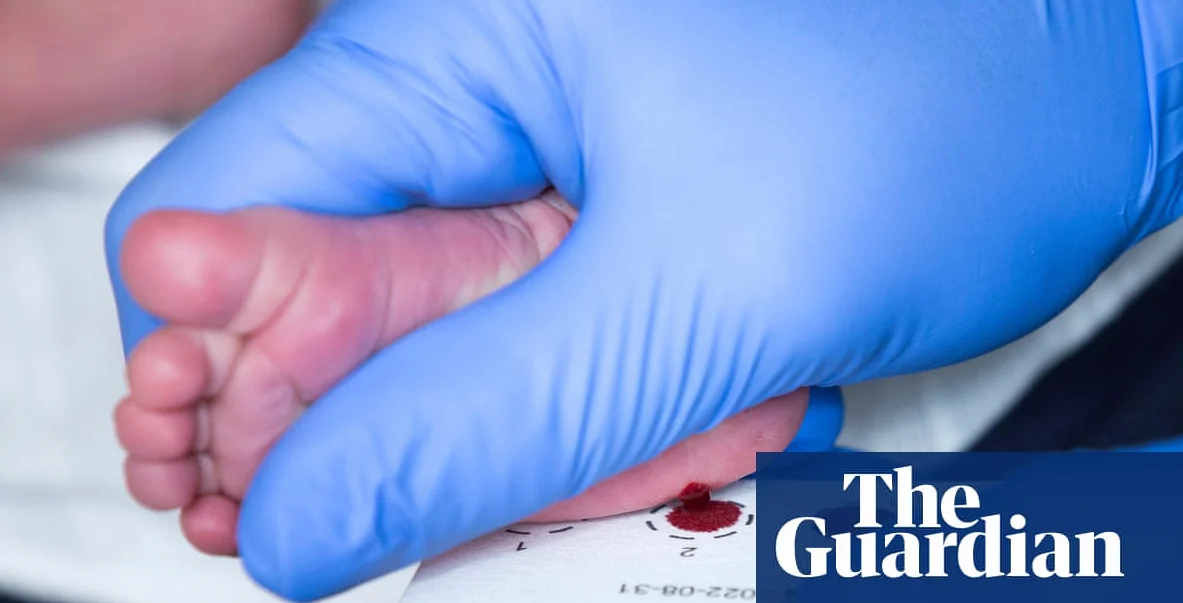
Scotland has become the first part of the UK to screen newborns for spinal muscular atrophy (SMA), a rare genetic condition that causes progressive muscle wastage. The initiative. Launched as part of a two-year pilot, is expected to significantly improve early diagnosis and treatment outcomes for affected infants, according to The Guardian.
Impact on Early Detection and Treatment
The Scottish government. In collaboration with pharmaceutical company Novartis, is funding a two-year evaluation to assess the effectiveness of the heel prick test in identifying SMA earlier. This test is taken about four days after birth and is now offered to all newborns in Scotland; the screening aims to detect the condition before symptoms appear, allowing for earlier treatment and better outcomes.
SMA affects an estimated 1 in 14,000 births worldwide and can impact movement, breathing, and swallowing, with life expectancy limited to two years without treatment; Early diagnosis is critical, as damage to nerve cells cannot be reversed once symptoms appear. Babies diagnosed after symptoms develop have fewer treatment options, making early detection a key factor in improving survival rates and quality of life.
On average. Three to four babies a year are born with SMA in Scotland; While there is no cure for the condition, there are now three NHS-funded drug treatments available. The screening pilot in Scotland is expected to provide data that may convince the UK National Screening Committee to approve similar testing across the UK.
Raising Awareness Through Public Figures
The condition gained wider public attention after former Little Mix singer Jesy Nelson revealed in January that her twin daughters, born prematurely in May 2025, had been diagnosed with SMA. Nelson described the process of diagnosis as “the most gruelling three, four months, and endless appointments” before her babies were diagnosed with SMA type 1, which accounts for about 60% of all cases of the condition.
Nelson’s efforts to raise awareness have included a petition calling for SMA to be added to postbirth baby checks elsewhere in the UK. The petition passed 100. 000 signatures in February and will be debated in the Commons — her advocacy has brought attention to the importance of early detection and the need for expanded screening programs across the UK.
The Scottish Newborn Screening Laboratory in Glasgow tests about 50,000 heel prick samples every year. Until now, it has tested for 1 in every 40 people who carry the altered gene responsible for SMA. This means that when two people with the gene have a baby, there is a one-in-four chance that the child will have SMA.
Real-World Impact on Families
The screening program has already made a difference for families like the Pearson family, whose daughter Grayce was diagnosed with SMA type 2 at 14 months old. Grayce lacks a protein vital for muscle development, which affects everything from walking to swallowing and breathing. Her parents, Tony and Carrie, described the moment when Grayce stopped moving her legs as “overnight.”
Carrie Pearson said she was initially told she was being an over-anxious mother when she raised concerns about her baby’s declining movement. Grayce’s diagnosis came too late for gene therapy, which could have been a one-time treatment that would have allowed her to reach developmental milestones. However, she is now taking medication that improves her symptoms, allowing her to twist around and reach for objects, something she could not do before.
Tony Pearson said that after two years on medication, the progression of the condition has slowed, but as a parent, he remains optimistic about what Grayce can physically achieve. He emphasized the importance of early diagnosis and treatment, saying, “As soon as that baby is born, if the parents find out their children have got SMA they can start gene therapy and show little to no symptoms.”
The Pearsons have been campaigning for SMA to be added to the conditions screened for in the heel prick testing offered to newborns. They hope that other parents will not have to go through the same difficult journey and that early detection can save lives and improve quality of life for children with SMA.
Giles Lomax, the chief executive of the charity SMA UK, said the screening pilot in Scotland would be “a huge impetus for other parts of the UK to speed up their own testing plans.” He emphasized the urgency of the situation, noting that “every month another four babies are diagnosed with SMA and the clock is always ticking.”
Lomax added that the future for anyone diagnosed with SMA is very different compared to those diagnosed symptomatically. “It basically gives children the life they deserve,” he said, highlighting the significant impact of early detection and treatment.
The Scottish government and Novartis are currently evaluating the effectiveness of the screening program. If the pilot proves successful, it could lead to broader implementation across the UK. The data collected during the two-year evaluation will be major in determining the future of SMA screening in the UK.






Comments
No comments yet
Be the first to share your thoughts