

 The Guardian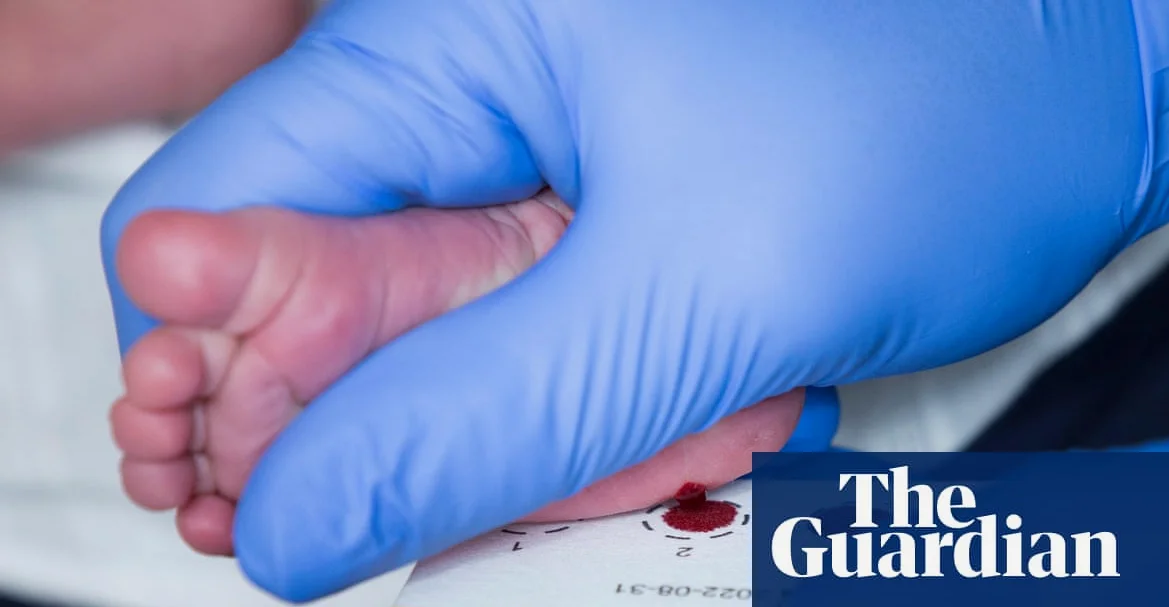
Scotland has become the first part of the UK to screen newborn babies for spinal muscular atrophy (SMA), a rare genetic condition that causes progressive muscle wastage. The initiative marks a significant step in early detection and treatment for a disease that, without intervention, can limit life expectancy to two years. The Scottish government. In partnership with pharmaceutical company Novartis, is funding a two-year evaluation of the new screening program, which uses the existing heel prick test.
Early Detection and Treatment Outcomes
Campaigners have long advocated for newborn testing, emphasizing that early detection is critical for treatment outcomes; the heel prick test, taken about four days after birth, can identify SMA before symptoms appear, allowing for timely intervention. Babies diagnosed only after symptoms develop have more limited options, as damage to nerve cells cannot be reversed.
According to the Guardian, SMA affects an estimated 1 in 14,000 births worldwide. The condition impacts movement. Breathing, and swallowing, and without treatment, life expectancy can be drastically reduced; In Scotland, on average, three to four babies are born with SMA each year. There is no cure for the condition, but three NHS-funded drug treatments are now available.
The condition has recently gained wider attention after former Little Mix singer Jesy Nelson revealed in January that her twin daughters, born prematurely in May 2025, had been diagnosed with SMA. Nelson said it took “the most gruelling three, four months, and endless appointments” before her babies were diagnosed with SMA type 1, which accounts for about 60% of all cases of the condition.
Impact on Families and Advocacy
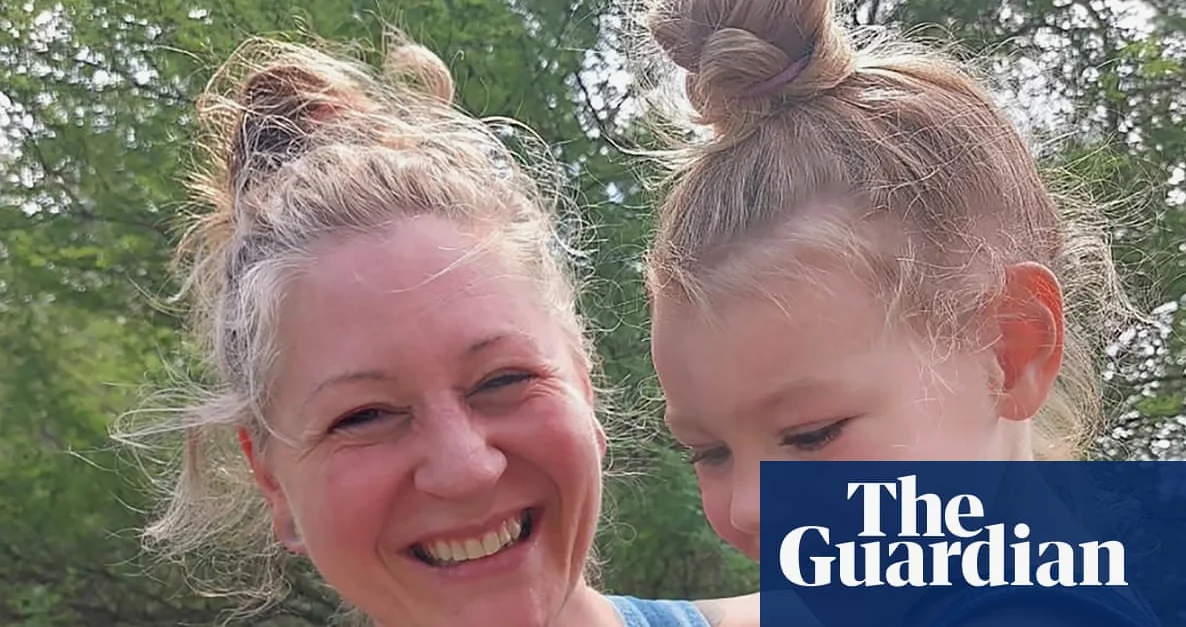
Grayce Pearson. Now three years old. Was diagnosed with SMA type 2 when she was 14 months old. Her parents, Tony and Carrie, had initially been told their concerns about her lack of movement were unfounded. “A child just doesn’t stop being able to physically move her legs altogether,” Carrie said, recalling the initial dismissal of their worries.
Grayce is now taking medication that improves her symptoms and allows her to reach for objects and twist around in her wheelchair. “Even the fact that she’s twisting around and reaching for stuff, she couldn’t do that at all,” Carrie said. The family has been campaigning for SMA to be included in the heel prick testing offered to newborns, emphasizing the importance of early detection.
“As soon as that baby is born, if the parents find out their children have got SMA they can start gene therapy and show little to no symptoms,” Tony said. “For what we’ve had to go through, I just want other parents to be saved that scary moment of diagnosis.”
Future Implications and National Debate
Giles Lomax, the chief executive of the charity SMA UK, said the screening pilot in Scotland would be “a huge impetus for other parts of the UK to speed up their own testing plans.” He hopes the Scotland trial will provide data that would convince the UK National Screening Committee to approve UK-wide testing.
“Every month another four babies are diagnosed with SMA and the clock is always ticking,” Lomax said. “With all three treatments now routinely available through NHS Scotland alongside newborn screening, the future for anyone diagnosed with SMA is very different compared to their peers who were diagnosed symptomatically. It basically gives children the life they deserve.”
Although SMA is a rare condition, an estimated 1 in 40 people carry the altered gene. This means that when two people with the gene have a baby, there is a one-in-four chance that the child will have SMA. The Scottish Newborn Screening Laboratory in Glasgow tests about 50,000 heel prick samples every year, and the addition of SMA screening is expected to significantly improve early detection and treatment outcomes.
Nelson’s petition calling for SMA to be added to postbirth baby checks elsewhere in the UK passed 100,000 signatures in February and will be debated in the Commons. The Scottish government and Novartis are funding a two-year evaluation to assess how well the screening can detect the condition earlier, allowing babies to receive treatment as soon as possible.
The initiative is a significant milestone for Scotland and a potential model for the rest of the UK. With early detection and treatment, the future for children diagnosed with SMA is now far more hopeful than it was in the past.





Comments
No comments yet
Be the first to share your thoughts