

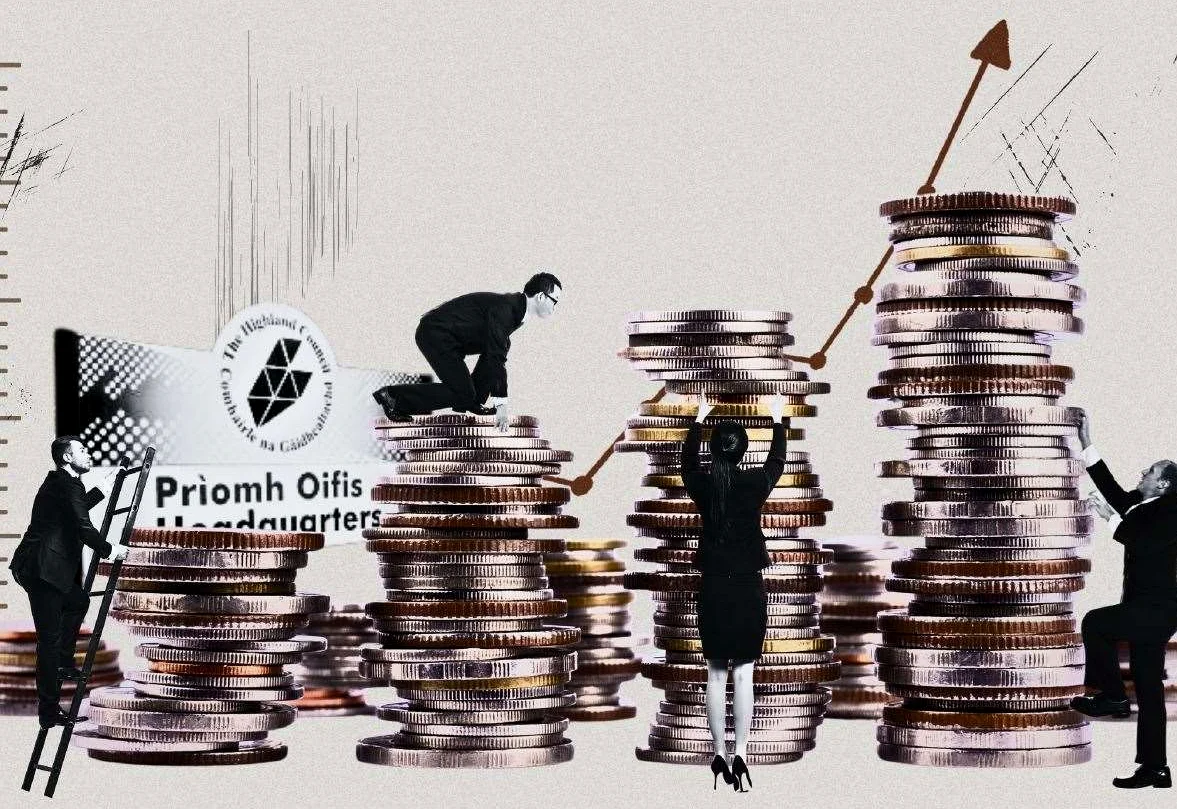
The Scottish Government has confirmed it will provide Highland Council with a historic £660.2 million in funding for the 2026/27 financial year, an increase of £17 million compared to the £642 million allocated last year. This funding, which covers the revenue budget—essentially the day-to-day operations of services—does not include capital expenditures for infrastructure such as roads and schools.
Impact on Public Services and Council Tax
The new funding surpasses the council’s projected budget gap of £16.3 million for 2026/27, potentially allowing for smaller increases in council tax, which has been a contentious issue in recent years. Despite this, the Council of Local Authorities (Cosla) has criticized the Scottish Government for leaving local councils nationwide approximately £1.1 billion short of what they requested.
Highland Council has already tentatively agreed to raise social housing rents by 8 percent, a move described as “immoral” by one of its own councillors. However, the council is expected to still implement at least a 2 percent tax increase to fund the Highland Investment Plan, which relies on borrowing and tax hikes to cover its costs.
Upcoming Budget Decisions and Plans
The council is set to finalize its budget for the upcoming year on March 5 during a special meeting. This will provide clarity on potential cuts and spending plans, which have been a point of concern for residents and local officials alike.
The Scottish Government stated that a range of measures aimed at improving public services in the Highlands have been included in the Scottish Budget. These include the allocation of £5 million for the Belford Hospital project and £10 million for ferry service improvements. Additionally, a bus fare cap pilot initiative will be launched in the Highlands and Islands, with the goal of making bus travel more affordable, improving access for low-income communities, and promoting sustainable travel.
Finance Secretary Shona Robison emphasized the government’s commitment to public services, stating, “We have placed public services at the heart of our Budget, delivering record funding for local authorities to help deliver sustainable and efficient services that communities deserve.” She added that the funding supports efforts to eliminate child poverty nationally, alleviate the pressure of the cost of living crisis, and protect the government’s social contract for residents across Scotland.
Broader Implications and Future Outlook
The funding increase is expected to have a tangible impact on the quality and availability of public services in the Highlands. However, the challenge remains in balancing increased public service delivery with the need for higher local taxes, which could affect residents’ daily lives. The upcoming budget meeting on March 5 will be a critical moment for Highland Council to outline its spending priorities and potential service adjustments.
According to the Scottish Government, the Budget is subject to approval by Parliament, and the details of the proposed allocations for the Belford Hospital and ferry services will be finalized following this process. The bus fare cap pilot, if implemented, could serve as a model for other regions facing similar challenges in making public transportation more accessible and affordable.
While the £660.2 million funding represents a significant increase for Highland Council, the overall picture for local authorities in Scotland remains complex. With Cosla estimating a £1.1 billion shortfall, the Scottish Government faces ongoing pressure to address the funding gap and ensure that local services remain sustainable and responsive to the needs of the population.




Comments
No comments yet
Be the first to share your thoughts