

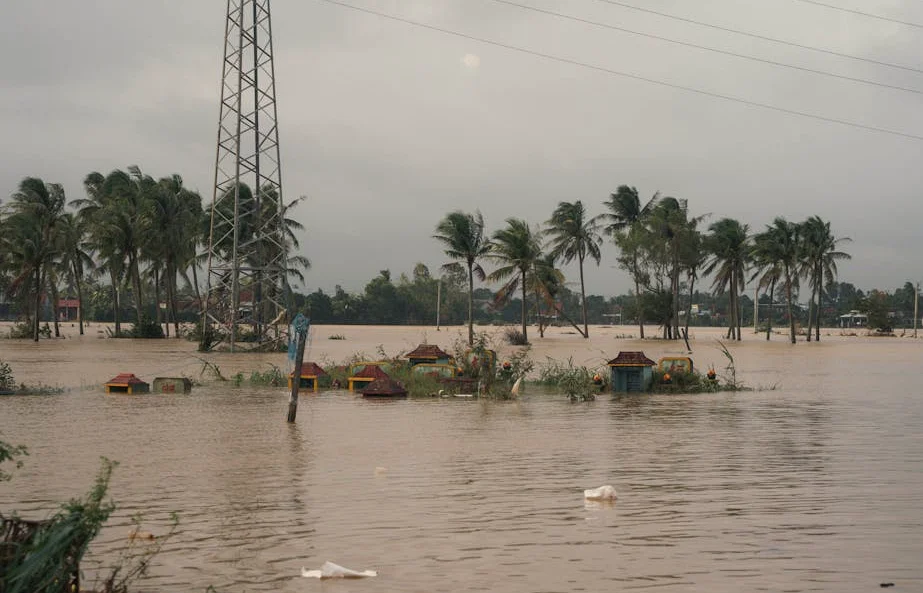
Severe floods have struck Makhachkala. The capital of Russia’s Dagestan region. Displacing hundreds of residents and damaging infrastructure — the deluge began on March 28, 2026, and has continued for several days, with water levels rising sharply in the city’s low-lying areas. According to Al Jazeera. The floods have forced over 1,200 people to evacuate their homes, with emergency services working around the clock to provide shelter and aid.
Flood Impact and Evacuations
The floods have caused significant disruption in Makhachkala, with entire neighborhoods submerged and roads rendered impassable. Local authorities reported that 12 bridges had been damaged or destroyed, cutting off access to several parts of the city. Modernghana.com noted that at least 300 homes have been partially or fully submerged, with some families forced to live in temporary shelters set up by the regional government.
Emergency services have deployed boats and rescue teams to assist stranded residents. ‘We are working to reach every affected family and provide immediate relief,’ said a local official quoted by Al Jazeera. The region’s emergency management department has also issued warnings about potential landslides in the surrounding hills, which could further complicate rescue efforts.
According to modernghana.com, the city’s main hospital has been overwhelmed with patients suffering from injuries and waterborne illnesses. ‘We have had to set up triage areas in nearby buildings to handle the influx,’ said a nurse at the hospital. The flood has also disrupted power and water supplies in several districts, with some residents relying on generators and bottled water for basic needs.
Causes and Weather Patterns
The floods are attributed to heavy rainfall over the past week, which has been described as the most intense in a decade. Al Jazeera reports that meteorological experts have linked the extreme weather to a combination of a slow-moving low-pressure system and rising temperatures that have melted snow in the surrounding mountains. This has led to a rapid increase in river levels, overwhelming the drainage systems in Makhachkala.
Modernghana.com cited local weather officials who noted that the region received 150 mm of rainfall in just three days, far exceeding the average for this time of year. ‘This level of precipitation is historic,’ said a regional meteorologist. ‘We are still assessing the full impact on the environment and long-term effects on the region’s ecosystem.’
According to Al Jazeera, the Russian government has deployed additional resources to the region, including military engineers and medical teams. The Federal Emergency Management Service has also activated its regional response plan, coordinating with local authorities to manage the crisis. ‘The situation is under control, but we remain vigilant,’ said a regional official quoted by modernghana.com.
Local Reactions and Community Response
Residents of Makhachkala have expressed concern over the scale of the disaster, with many describing the floods as the worst they have experienced in years. ‘We were not prepared for this,’ said one local shop owner, quoted by Al Jazeera. ‘The water came in so fast that we didn’t have time to move anything.’
Modernghana.com reported that community groups have mobilized to help those affected, with volunteers distributing food, clothing, and blankets to displaced families. In some neighborhoods, neighbors have banded together to clear debris and assist in search and rescue operations. ‘We are helping each other,’ said a resident. ‘There’s no time to wait for help from outside.’
Local religious leaders have also joined the efforts, organizing prayer sessions and fundraising events to support flood victims. ‘We are united in this crisis,’ said a mosque imam. ‘Our faith and community are stronger than any disaster.’
Regional and National Implications
The floods in Makhachkala have drawn attention from across Russia, with officials from neighboring regions offering assistance. The Prime Minister’s office has stated that the federal government will provide financial support to the Dagestan region to help with recovery efforts. ‘This is a national priority,’ said a spokesperson quoted by Al Jazeera.
Modernghana.com reported that the Russian Orthodox Church has also pledged support, sending aid convoys to the region. The floods have also raised concerns about the region’s vulnerability to climate change, with experts warning that such extreme weather events may become more frequent in the future.
According to Al Jazeera, the floods have disrupted local economies, with businesses forced to close and supply chains affected. Some farmers have reported significant crop losses, with fields submerged under water. ‘We lost everything,’ said a farmer. ‘There’s no way to recover from this quickly.’
Modernghana.com noted that the regional government has announced plans to rebuild damaged infrastructure with a focus on flood-resistant construction. ‘We will not rebuild the same way we did before,’ said a city planner. ‘We need to make sure this doesn’t happen again.’
Officials say the immediate priority is to ensure the safety of residents and provide essential services to those affected. Emergency teams continue to work around the clock to clear roads and restore power. The regional government has also launched a public awareness campaign to educate residents on flood preparedness and emergency response.
According to Al Jazeera, the federal government is considering long-term investments in flood prevention and climate resilience measures. ‘This is a wake-up call for all of us,’ said a senior official. ‘We must take this seriously and act now.’
Modernghana.com reported that the Dagestan region will hold a special session to discuss the impact of the floods and potential reforms to disaster management policies. ‘We are learning from this experience,’ said a regional representative. ‘We will use this knowledge to protect our people in the future.’
The floods in Makhachkala serve as a stark reminder of the growing risks posed by climate change and extreme weather events. As the region begins the long road to recovery, the focus remains on ensuring the safety and well-being of its residents.






Comments
No comments yet
Be the first to share your thoughts