

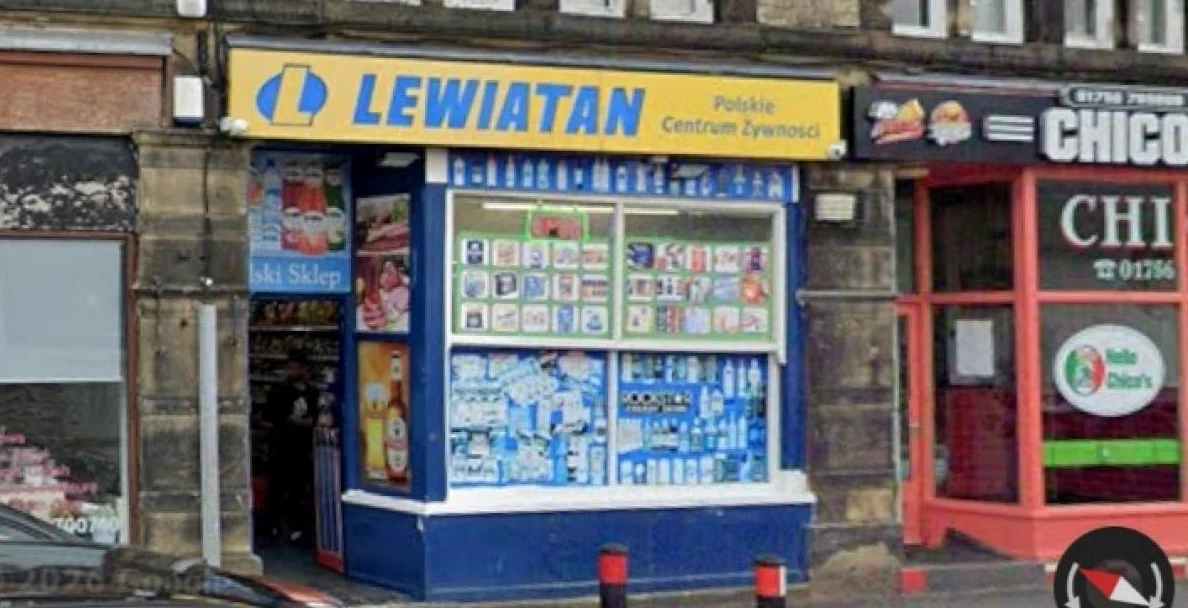
A convenience store in Skipton, North Yorkshire, has had its premises licence revoked after an employee was found to have sold alcohol to a minor and a person who was already intoxicated. The shop, located on Sackville Street, was stripped of its drinks licence following a day-long hearing held by North Yorkshire Council’s statutory licensing sub-committee.
Impact on the Local Community
The decision comes after a hearing that took place on Friday at the Civic Centre in Harrogate, where the council’s three-councillor sub-committee reviewed the store’s licence. The sub-committee, composed of Councillors Tim Grogan, Kevin Support, and Andrew Lee, heard evidence from North Yorkshire Police’s licensing team and the council’s trading standards department regarding multiple alleged offences involving the shop.
Among the allegations, the shop was under investigation for selling alcohol to an underage customer and to a person who was already drunk. These incidents reportedly occurred in July 2025, with the staff member, identified as Milad Karimi, 26, of North Street, Keighley, later pleading guilty in Skipton Magistrates’ Court and being fined £200 for both offences.
The shop’s owner, Saheb Sadeqhi, did not attend the hearing due to illness but was represented by his solicitor. The public and press were excluded from most of the hearing due to the presentation of evidence related to ongoing investigations. The hearing took place just two days after Karimi’s court appearance, highlighting the rapid escalation of the situation.
History of Violations
This is not the first time the store has faced legal action. In 2024, the shop was prosecuted for selling illegal vapes, and in 2022, it was fined for selling counterfeit tobacco products and falsely labelled vodka. These repeated violations have raised concerns about the shop’s adherence to licensing regulations and public safety.
North Yorkshire Council confirmed that the shop was also the subject of a coroner’s inquest related to a death connected to the premises, though no further details were provided. This adds another layer of scrutiny to the store’s operations and raises questions about the potential risks posed to the local community.
According to the Local Democracy Reporting Service, Saheb Sadeqhi has stated his intention to appeal the decision to revoke the licence. The council, however, declined to comment further on the case due to the ongoing investigations.
Implications for Retail Compliance
The case has sparked discussions about the enforcement of alcohol licensing laws in small retail environments. Local officials have emphasized the need for stricter compliance with regulations designed to prevent underage drinking and the sale of alcohol to intoxicated individuals.
Experts in retail compliance note that repeated violations often lead to more severe penalties, including the revocation of premises licences. In this instance, the cumulative nature of the shop’s infractions, spanning several years, appears to have been a decisive factor in the council’s decision.
The revocation of the drinks licence means that the shop will no longer be permitted to sell alcohol. This could have a significant impact on the local community, especially for residents who relied on the shop for alcoholic beverages, including those who may have used it for social or celebratory purposes.
Local business owners and community representatives have expressed concerns about the broader implications of such enforcement actions. While the decision is seen as necessary to ensure public safety, some argue that it may also affect the livelihoods of small shop owners who operate on thin margins.
According to a spokesperson for North Yorkshire Council, the licensing sub-committee considers all relevant evidence before making decisions. In this case, the evidence presented was deemed sufficient to justify the revocation of the shop’s licence.
The shop’s owner, Saheb Sadeqhi, is now left with the option of appealing the decision, which could delay the final outcome. If the appeal is unsuccessful, the shop will have to find alternative means of operation, potentially including the removal of its alcohol-selling capability or a complete restructuring of its business model.
As the case moves forward, the community and local authorities will be watching closely to see how the appeal process unfolds and whether this sets a precedent for other similar cases in the region.


Comments
No comments yet
Be the first to share your thoughts