

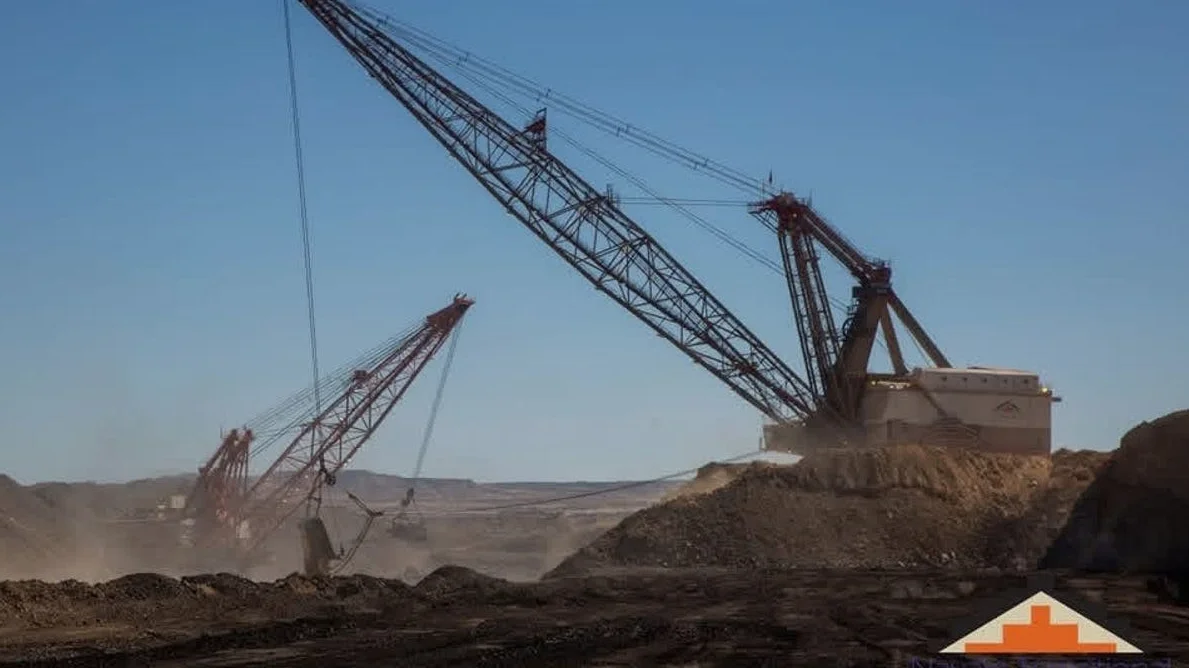
Residents of the Navajo community of Burnham, New Mexico, are raising concerns over a proposed 110-year expansion of the Navajo Mine, despite the area’s only coal-fired power plant being set to close in 2031. The Navajo Transitional Energy Company (NTEC) has submitted an application for the ‘No Name Permit,’ which could extend the mine’s operations until 2136. The proposed expansion would cover 11,526 acres, with NTEC planning to mine 9,042 acres at a maximum annual production rate of 5 million tons of coal per year, starting in 2031.
The Stakes of a 110-Year Expansion
Dailan Long, a community leader in Burnham, has long opposed coal industry efforts to expand access to the area. He expressed frustration over the recent proposal, stating, ‘Are we always going to keep fighting?’ Long is part of a broader effort to raise awareness about the potential environmental and health impacts of the expansion, which he says has been shrouded in secrecy.
The proposed mine expansion would result in the extraction of approximately 503 million tons of coal, extending the mine’s life to 2136. This would make the Navajo Mine the longest-running coal operation in the United States. Long noted that the community is not only concerned about the environmental impact but also about the lack of transparency surrounding the project.
‘One of the things that project proponents do is say ‘oh, we got jobs,’ said Long. ‘You hear that all the time. This permit is nothing to new to me, the rhetoric is the same, but this time the stakes are different because it’s 110 years. It blows my mind that they can see such a thing.’
Historical Parallels and Community Resistance
Long’s concerns are not new. He recalls the fight against the Desert Rock coal-fired power plant, a 1,500-megawatt project that was canceled in 2011 due to public opposition. That project would have been the nation’s sixth-largest carbon emitter. The community, including Long and his relatives, had demanded involvement in the decision-making process, a demand they are making again with the current expansion.
During the Desert Rock era, opponents organized a blockade that prompted former Navajo President Joe Shirley to meet with the community. Long noted that the current Navajo President, Buu Nygren, has not visited the Burnham area despite his support for the coal industry. ‘I was venting to another person that was giving me information about the coal mine, I said, ‘We did this 20 years ago with Desert Rock,’ said Long. ‘I said, ‘Are we always going to keep fighting?’
Long’s family and relatives live less than 10 miles from the Tíís Tsoh Síkaad (Burnham) Chapter House. His family continues to graze livestock on the surrounding land. He pointed out from his mother’s living room window where the potential expansion of the Navajo Mine would occur, emphasizing the impact it would have on his family and the community.
‘This Navajo Mine is going to be 18 square miles,’ said Long. ‘So what I was saying at the chapter was that people need to realize that this whole area is going to be transformed. These permits are not even transparent enough to let people know the full picture.’
Community Awareness and the Role of NTEC
Joni Lapahie, who works at the Burnham Chapter House, said she was not fully aware of the proposal until recently. Long was notified about the expansion by a non-Navajo friend. In December 2025, the chapter passed a resolution in favor of the expansion permit, but Long and Lapahie only learned about the proposal after being emailed about it.
‘A lot of the community members weren’t aware of it,’ said Lapahie. ‘I think a lot of it has to do with NTEC directly reaching out to chapter officials, which bypasses the chapter administration. I work with the administration so a lot of the information isn’t relayed back to the administration.’
More than 500 people are registered with the chapter, and in the Burnham area, around 85 to 100 homes are currently occupied, according to Lapahie. A presentation at the January meeting revealed that the proposed area includes eight unoccupied dwellings as well as several occupied residences.
Under federal surface mining and reclamation laws, mining cannot occur within 300 feet of occupied homes. Therefore, operations in the area would require the removal or relocation of occupied dwellings and rerouting at least seven miles of Burnham Road, known as BIA 5082.
Three key meetings regarding the proposed expansion took place in December, January, and February. Long said only a small number of voters attended the December meeting, where a resolution supporting the expansion was passed. In January, the Office of Surface Mining Reclamation and Enforcement held what was the only public meeting to gather community comments. Then in February, the community met again and passed a resolution opposing the No Name Permit application.
With this objection, NTEC created a new resolution for the community to reaffirm the expansion, asserting that the community’s objecting resolution ‘was submitted to the community for consideration by a third party on February 13, 2026 did not adhere to the procedural requirements established by the Navajo Nation Local Governance Act.’
NTEC argued that the opposing resolution failed to comply with Navajo Nation code regarding meeting notice and was not properly vetted within or presented within the mandatory 48-hour period prior to the regular meeting.
Burnham community members passed the resolution on Feb. 13, 2026, opposing the No Name Permit application and citing concerns about resident relocation and impacts to health, water, and soil, according to the environmental justice group DINÉ C.A.R.E.
The group noted that the resolution was sponsored by a Burnham resident and submitted days in advance. DINÉ C.A.R.E. also criticized the Dec. 10, 2025, resolution introduced by NTEC at a Christmas party that broadly expressed support for the permit but did not include detailed information about the proposed project.
‘Inaccurate claims in the proposed resolution include: the resolution wasn’t properly vetted or presented within the mandatory 48-hour period and was presented by a third-party,’ countered DINÉ C.A.R.E.
Lapahie said it’s not just about keeping information clear, but making sure it’s properly translated and understood. She said a large number of NTEC employees attended the February meeting, creating what she felt was an uneven environment for discussion.





Comments
No comments yet
Be the first to share your thoughts