

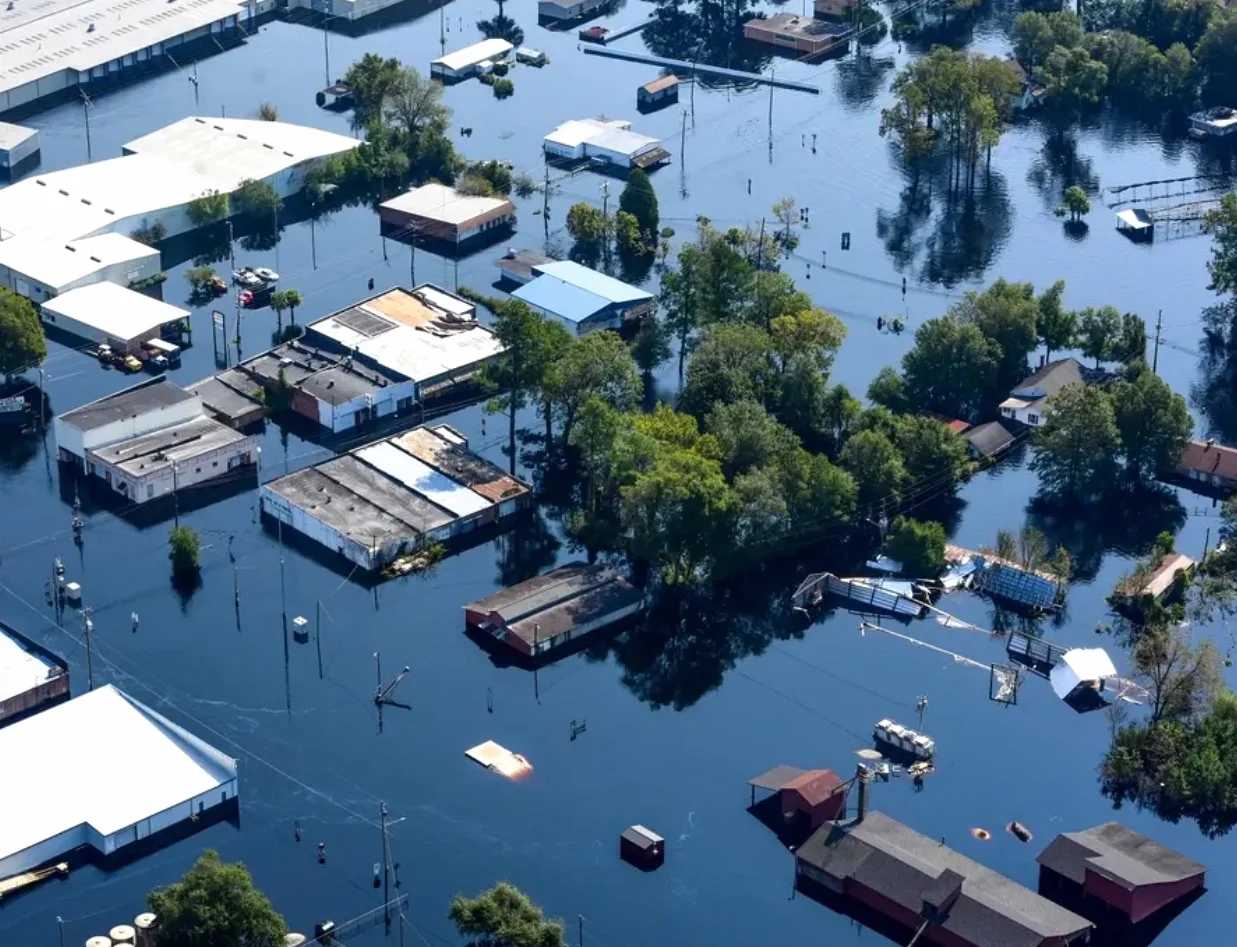
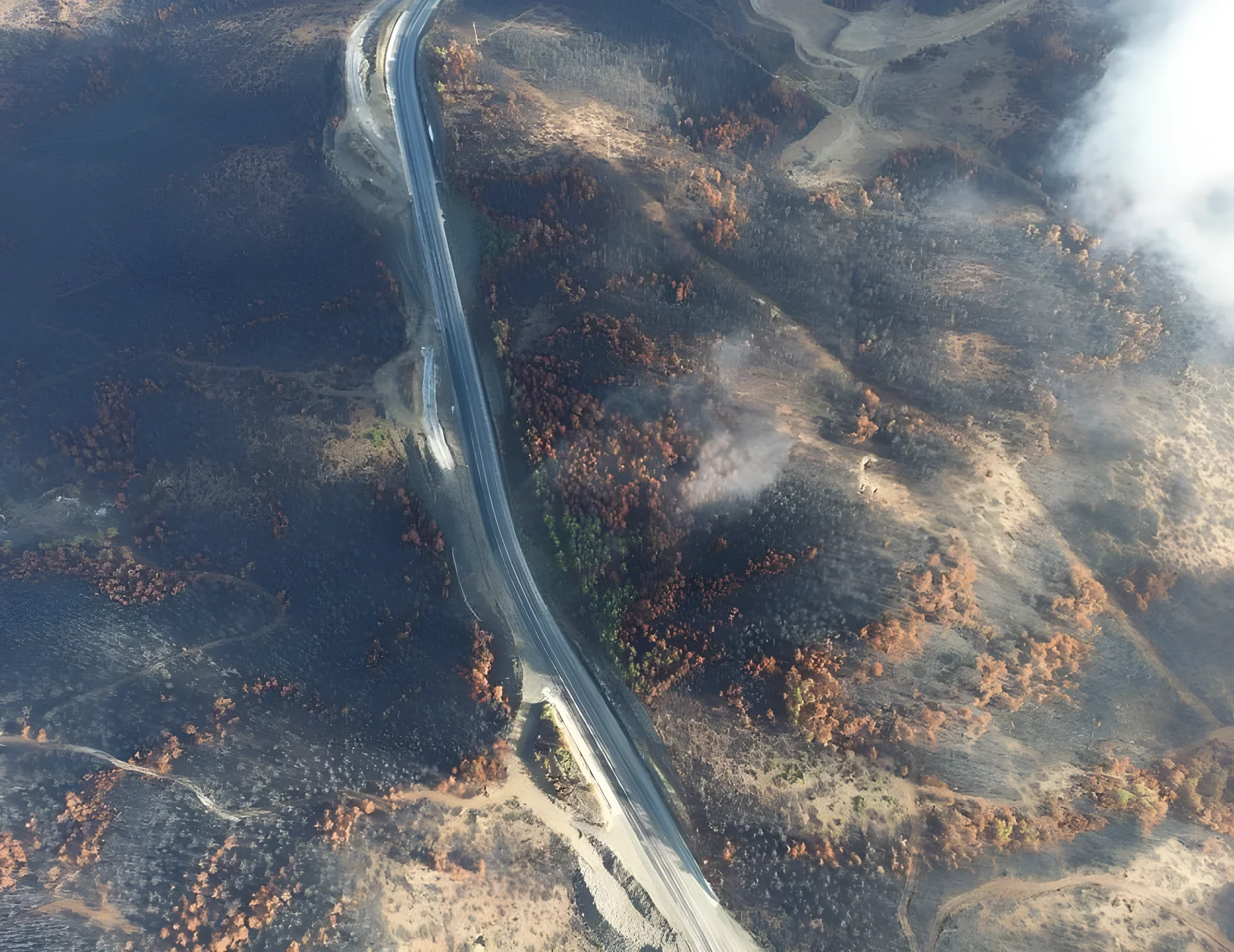
South Africa confronts a triple climate threat this season. Floods have killed 45 people in Limpopo and Mpumalanga provinces. Nearly 3,750 homes lie damaged or destroyed. A drought declaration followed weeks later, endangering water supplies in the Garden Route and major cities like Cape Town. Wildfires, meanwhile, have scorched 132,000 hectares in the Western Cape despite heavy rains elsewhere.
Government officials declared the states of disaster in rapid succession. The floods struck with devastating force. The drought raises fears of ‘Day Zero’ scenarios reminiscent of Cape Town’s 2018 crisis. Knysna’s main dam sits at 15% capacity. The Eastern Cape, Western Cape and Northern Cape now count as official drought disaster zones.
James Reeler, senior climate specialist at WWF South Africa, calls it a connected crisis. ‘Floods, wildfires and water scarcity aren’t separate crises. They’re connected symptoms of a changing climate,’ he said. Property owners face surging insurance claims and falling values in high-risk zones. ‘In many areas, the question is no longer if extreme weather will affect your home but when,’ Reeler added.
Climate forecasts predict above-normal rainfall through early 2026 in summer rainfall regions. Intense storms and localized flooding loom larger. Homeowners in the northeast should elevate electrical panels and water heaters above flood levels. Proper drainage, including French drains and yard grading, keeps water from pooling at foundations.
Rebuilding after floods demands change. Property owners must avoid identical reconstruction. Strengthen structures. Relocate vulnerable elements. Neighborhood clean-ups clear blocked stormwater drains of plastic, debris and sand. Such efforts shield entire streets from heavy downpours.
In the Western Cape, fire risks dominate. This marks the worst season since 2015, with blazes possibly raging until May 2026. Extreme heat, winds and dry vegetation fuel rapid spread. ‘Fires move faster than most people realise,’ Reeler warned. ‘Once flames are visible, you may have minutes to evacuate.’
Create a 30-meter defensible space. Clear dry grass. Remove invasive plants. Keep gutters leaf-free. Fire-resistant materials help new builds or renovations: metal roofs beat thatch, double-paned windows resist radiant heat better than single panes. Neighbors must coordinate. One overgrown lot endangers a block.
Water scarcity strikes quietly. Low dam levels lead to restrictions, then dry taps. Garden Route towns watch it unfold now. Cape Town battles renewed stress. ‘Water security is no longer a municipal responsibility alone,’ Reeler said. ‘Property owners must invest in their own resilience.’
Fix leaks fast. A dripping toilet wastes 400 liters daily. Low-flow showerheads and dual-flush toilets cut usage. Rainwater harvesting offers backup supplies. Greywater systems recycle bath and laundry water for toilets or gardens, slashing consumption by half. Boreholes require checks on aquifer health and local rules.
Insurers worldwide already shun high-risk homes or hike premiums out of reach. South Africa’s summer extremes signal a new normal. Property owners who assess risks, invest wisely and build resilience stand the best chance. The next disaster approaches fast.





Comments
No comments yet
Be the first to share your thoughts