

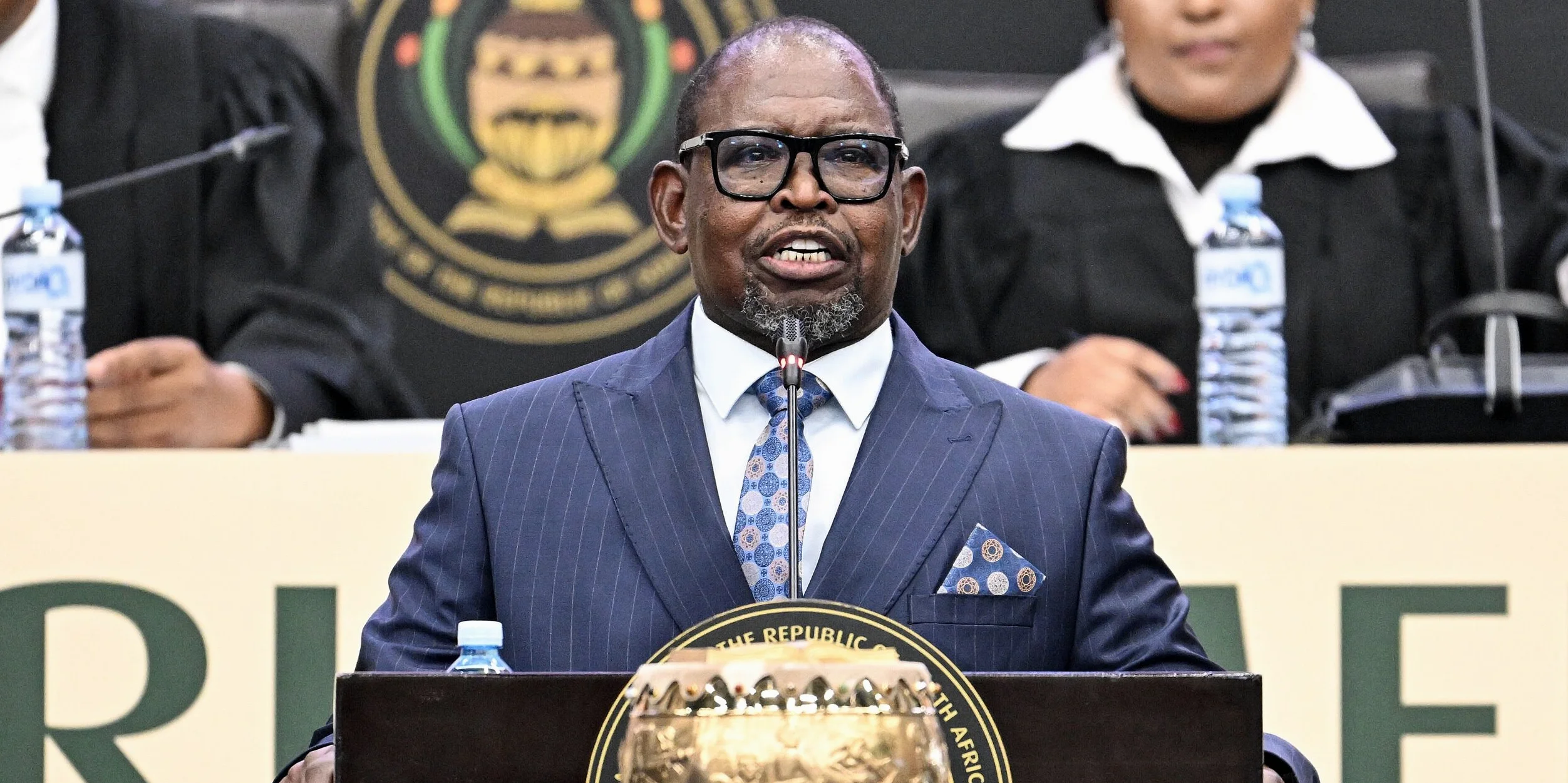
South Africa’s political parties, both within and outside the government of national unity (GNU), have praised the announcement of a personal income tax freeze by Finance Minister Enoch Godongwana during his budget speech on Wednesday. The move comes as the country grapples with a slow-growing economy and escalating debt service costs, which reached R432.4 billion in 2026, up from R426 billion in 2025.
Relief for Consumers, Concerns Over Economic Growth
Godongwana announced that there would be no personal tax increases in the upcoming financial year, despite the South African Revenue Service (SARS) collecting R21 billion more than its target. Political parties welcomed the relief, noting that many South Africans are struggling with the high cost of living. However, they also expressed concerns over the country’s sluggish economic growth, which is far below the 3% needed to create jobs.
‘The personal income tax adjustment is a very welcome position. Because the workers will at least have some money in their pockets,’ said EFF leader Julius Malema. He added that the government’s focus on partnerships with the private sector has not yielded the desired results in sectors like electricity, where costs have not decreased despite private sector involvement.
While the tax freeze has been widely praised, the country’s economic outlook remains grim. Umkhonto we Sizwe Party (MK Party) acting parliamentary leader Des van Rooyen criticized the government for using unrealistic economic growth projections to justify its budget. He noted that the government has projected growth rates of 1.1% in 2024, 1.4% in 2025, and 1.6% in 2026, despite the country’s persistent challenges.
Debt Management and Infrastructure Investment
The National Treasury has proposed a fiscal anchor aimed at curbing unsustainable public sector practices and reducing government debt. This comes as debt service costs continue to rise. The budget also includes significant investment in public infrastructure, with planned expenditure of R1.07 trillion over the next three fiscal years. This funding is allocated to transport, energy, and water projects aimed at removing growth constraints.
FNB’s economic desk highlighted the importance of infrastructure investment in stimulating economic growth and improving public services. ‘It is fundamental to long-term economic growth, service delivery, job creation, and climate resilience,’ the financial services institution said.
Despite these investments, trade union federation Cosatu expressed disappointment with the 2026/2027 budget and medium-term expenditure framework. It criticized the budget for failing to address the country’s fundamental crises, including a 41.1% unemployment rate, struggling public services, and entrenched levels of poverty and inequality.
‘The Budget is focused on balancing the books. But not on aggressively kickstarting economic growth or tackling unemployment,’ Cosatu said. The union emphasized the need for a more decisive response to the economic and social challenges facing the working class.
Political Reactions and Forward-Looking Concerns
Despite the budget freeze on personal taxes, political parties have called for a more strong economic strategy. Action SA parliamentary leader Athol Trollip praised the budget for avoiding additional tax hikes and ensuring that tax bracket creep is inflation-linked. He noted that SARS collected R28 billion more than expected, which could help balance the budget without increasing the burden on taxpayers.
DA’s Dr Mark Burke highlighted the freeze on personal and corporate taxes as a reflection of the party’s policy direction. He noted that the budget includes bracket creep relief, which ensures that employees who receive raises will not be pushed into higher tax brackets.
However, the country’s economic outlook remains uncertain. With the unemployment rate at 41.1%, the government faces mounting pressure to implement policies that can stimulate growth and create jobs. Analysts warn that without a more aggressive approach to economic development, the country’s challenges are likely to persist.
As the government prepares to implement its budget, the focus will be on whether the proposed measures can translate into meaningful economic growth and job creation. With the country’s population growing rapidly and the economy struggling to keep pace, the coming months will be crucial in determining the path forward.





Comments
No comments yet
Be the first to share your thoughts