

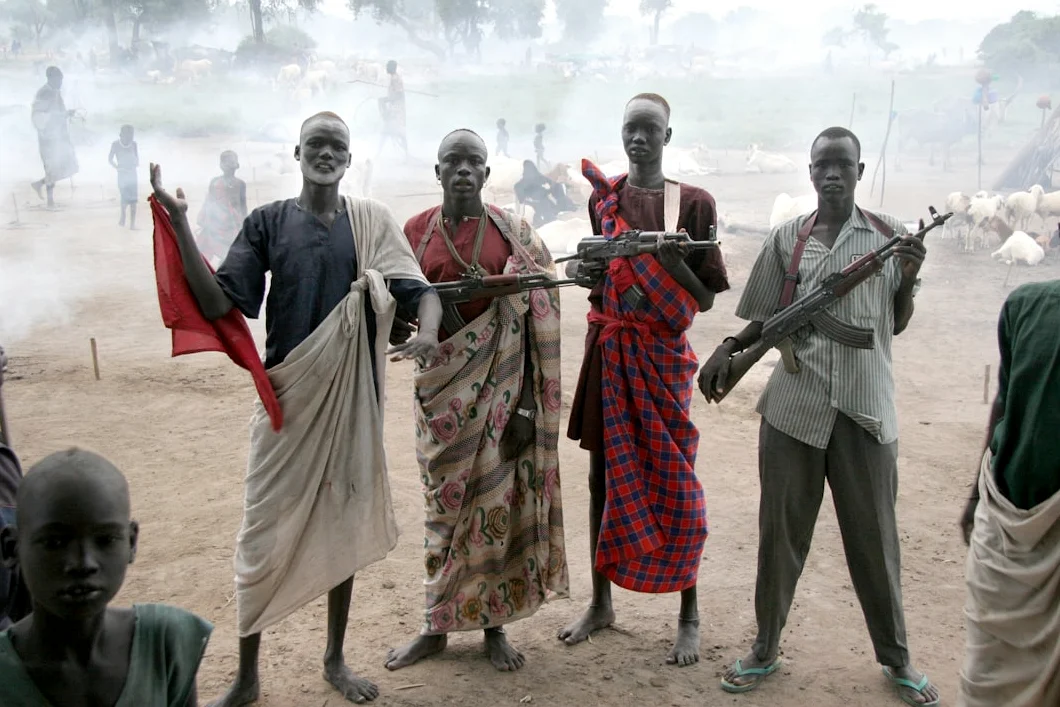
South Sudan faces a dire risk of returning to full-scale war, according to a United Nations investigative body, which has issued a stark warning about the escalating violence, entrenched impunity, and worsening humanitarian conditions in the country. The Commission on Human Rights in South Sudan (CHRSS) emphasized that the world’s youngest nation must act immediately to prevent further escalation of atrocities and the collapse of its fragile political transition.
Rising Violence and Humanitarian Crisis
The CHRSS report, released during a session of the UN Human Rights Council, paints a grim picture of civilians enduring killings, systematic sexual violence, and forced displacement. According to the findings, the situation has reached a critical point where ‘escalating atrocity risks’ and the breakdown of political protections have made ‘urgent preventive action imperative.’
The report highlights that over 280,000 people have been displaced since December, with more than 450,000 children facing acute malnutrition. The United Nations estimates that nearly 10 million people in South Sudan are in need of life-saving aid, yet humanitarian efforts are being hampered by attacks and the deliberate blocking of assistance.
According to Al Jazeera, the CHRSS called for international and regional stakeholders to apply diplomatic pressure and enforce the UN arms embargo strictly. It also urged a coordinated global re-engagement to prevent further mass atrocities and stabilize the country’s fragile transition.
Political and Military Instability
Investigators attributed the rising instability to the actions of political and military elites who have eroded power-sharing agreements. The arrest and prosecution of First Vice President Riek Machar for murder and treason has severely undermined the ‘core power-sharing guarantees’ of the 2018 peace deal. Machar, an ethnic Nuer, was suspended following clashes in Nasir, a move that has triggered political turmoil and armed conflict on a scale not seen in a decade.
The crisis originally stems from the 2013 civil war, which began when President Salva Kiir, from the Dinka ethnic group, accused Machar of a coup attempt. The current investigation noted a ‘dangerous shift in tactics,’ including aerial bombardments of civilian areas.
Al Jazeera reports that the involvement of Ugandan forces has ‘materially strengthened’ the government’s military position, raising serious concerns regarding violations of the UN arms embargo. Joint air strikes have predominantly affected Nuer communities, further deepening the ethnic divide and exacerbating the humanitarian crisis.
Systematic Sexual Violence and Social Fragmentation
Sexual violence remains a ‘defining and persistent feature’ of the ongoing conflict. The CHRSS found that rape has been used as a ‘strategic instrument of conflict’ to fracture social cohesion and terrorise populations. This has led to widespread trauma and displacement, with civilians bearing the ‘overwhelming human brunt’ of a crisis where displacement has surged by nearly 40 per cent.
While the 2018 peace deal previously ended a war that claimed 400,000 lives, the recent seizure of government outposts in Jonglei state by opposition forces loyal to the SPLM/IO has reignited fears of a total collapse. The CHRSS warned that the situation is deteriorating rapidly and that the country is on the brink of a return to full-scale war.
According to the report, the failure to hold perpetrators of atrocities accountable has created a climate of impunity that enables further violence. The CHRSS called for immediate action to address these issues and prevent the situation from spiraling out of control.
As the humanitarian crisis deepens and the risk of full-scale war increases, the international community faces mounting pressure to intervene and support efforts to stabilize South Sudan.





Comments
No comments yet
Be the first to share your thoughts