

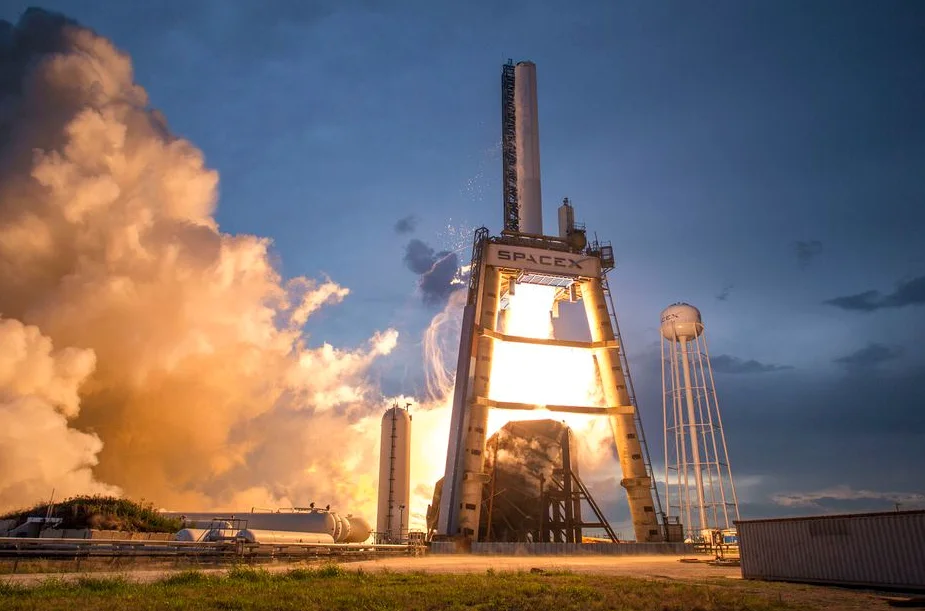
SpaceX’s stock has seen a dramatic decline since its June 12 initial public offering (IPO), with the share price falling from a high of $225 to $115.07 on July 19, according to TradingKey and CNBC. The company is now valued at roughly half its IPO price of $135, and analysts are watching closely as the first lockup expiration looms on August 6. According to Morningstar. Nearly a billion shares held by pre-IPO investors could soon hit the market, potentially increasing pressure on the stock price.
Lockup Expirations and Share Overhang
SpaceX’s lockup period. Which prevents early investors from selling their shares, is set to expire in early August, according to Morningstar. Analyst Nicolas Owens notes that “we believe that most of the available shares will come to market, because the existing sellers have low cost basis and long holding periods.” The first wave of selling will release approximately 911.5 million shares. More will follow in late August when another 455.8 million shares can be sold, and the total available shares in the first year could exceed 6.4 billion, far more than the 629 million shares sold in the IPO.
This share overhang could affect index fund investors, who may find themselves holding a larger portion of SpaceX stock as its float increases, according to Morningstar. The potential for a flood of selling has already led to a record short interest level of 32% of the free float, according to TIKR.com.
Starship Delays and Market Concerns
The 13th test flight of SpaceX’s Starship, the largest rocket ever built, was delayed again in late July due to technical issues, according to Merkur; the test, initially scheduled for the same week, was pushed to July 23. The failure to meet launch timelines has raised concerns among investors about the company’s ability to deliver on its ambitious projects; the Starship program has already cost over $15 billion, and the delayed test flight has been described as a “brand accelerator” for negative market sentiment.
“The failed tests exemplify what is only hinted at in the IPO prospectus,” a Merkur report noted. The rocket project. Which aims to transport humans to Mars and support NASA missions, has so far generated $19 billion in revenue but $5 billion in net losses. The long-term viability of the project remains uncertain, with analysts closely watching the results of the next test flight.
Starlink Growth and Valuation Challenges
Despite the setbacks, Starlink remains SpaceX’s most profitable business, with over 10 million subscribers and more than 10,800 active satellites, according to TIKR.com. The service continues to drive revenue, but analysts warn that margin expansion may slow as average revenue per user (ARPU) declines. Meanwhile, high valuation concerns persist, with the company’s stock currently trading at a price-to-earnings ratio that many consider unsustainable.
“The current share price reflects high valuation concerns, growth credibility erosion due to Starship delays, and supply pressure from the lockup expiration,” a TradingKey report stated. The stock has already fallen below its IPO price and is now trading at $123.99 as of July 17, according to TradingKey. Technical indicators show the stock may be overbought, with a Relative Strength Index (RSI) near 36.1, but a key support level at $123 remains to be tested.
The success of the upcoming Starship test flight on July 23 could be a key factor in determining whether the market re-evaluates SpaceX’s long-term potential. For now, the stock remains in a correction phase, with many investors waiting for more clarity on the company’s financial and technical progress.






Comments
No comments yet
Be the first to share your thoughts