


UK Prime Minister Keir Starmer has pledged to reform the British state by reducing bureaucracy and red tape, following a global wave of political leaders who have embraced similar anti-red-tape and anti-wasteful spending policies. In a speech titled ‘on the fundamental reform of the British state,’ Starmer emphasized the need to tackle inefficiencies and boost economic competitiveness, according to TradingView.
Global Trend of Fiscal and Administrative Overhaul
This movement began in Argentina. Where President Javier Milei was elected in November 2023 on a platform of sweeping austerity measures, as Known as the ‘chainsaw plan,’ his agenda aimed to reduce public spending and depoliticize the state. In 2024. Public spending in Argentina dropped to 32% of GDP, down from 38% the previous year, the first time the country has eliminated a budget deficit since 2008. The shift has been rewarded by investors, with the peso’s official exchange rate now aligned with the black-market rate.
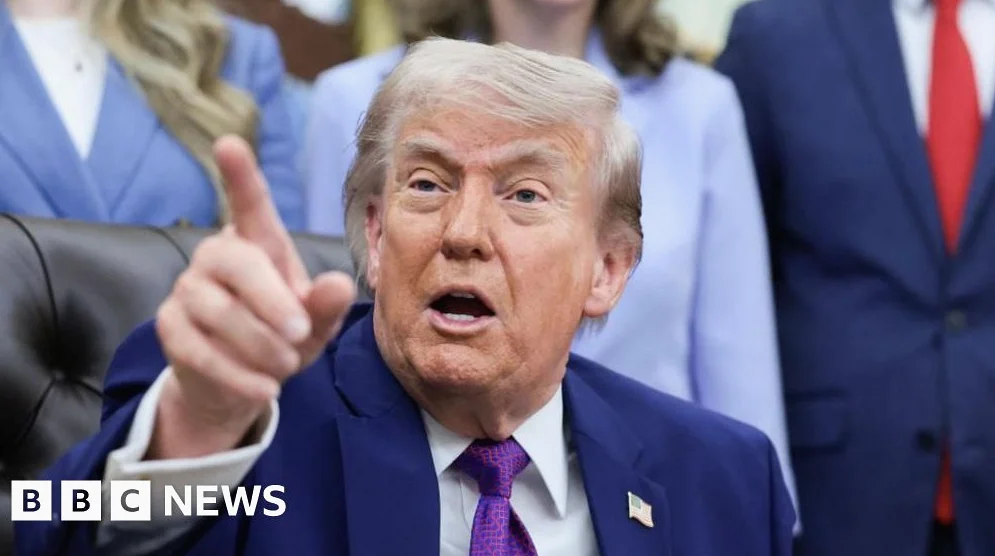
Similar ideas have taken root in the United States, where President Donald Trump established the Department of Government Efficiency (DOGE), led by Elon Musk, to modernize federal technology, simplify the workforce, and promote cost efficiency. Now, the UK is joining the trend, Starmer’s pledge reflects a broader global shift toward smaller government and administrative efficiency.
Labour’s Electoral Setbacks and Market Response
Starmer’s reform agenda comes amid early election results that show significant losses for his Labour Party in local council elections, though Reform UK, led by Nigel Farage, made gains in English councils, while Labour lost hundreds of seats. Although the decline was less severe than feared, many results are still pending and will be announced after markets close today and over the weekend.
Despite these political challenges. UK 10-year gilt yields have fallen to 4.85%, the lowest since April 20, as investors react positively to Starmer’s commitment to remain in office — At the same time, optimism over a potential U.S.-Iran peace deal has eased concerns about prolonged inflation, which could have kept interest rates high.
Economic Priorities and Governance Reforms
Starmer’s reform strategy includes three main themes: fiscal discipline, ideological renewal, and governance efficiency. While Argentina’s focus has been on austerity, and the U.S. has emphasized technological modernization and workforce optimization, the UK appears to be leaning toward reducing bureaucratic hurdles and enhancing accountability. The government aims to speed up regulations that have long been seen as stifling economic activity.
Financial markets still anticipate two interest rate hikes by the end of the year from the Bank of England. Starmer’s government will need to balance the demands of economic reform with the need to stabilize public finances and maintain investor confidence. His commitment to stay in office and push through these changes will be critical to the success of his agenda.




Comments
No comments yet
Be the first to share your thoughts