

The Supreme Court of India has ordered a detailed investigation into a chapter in the National Council of Educational Research and Training (NCERT) Class 8 Social Science textbook that includes a sub-chapter titled ‘Corruption in the judiciary’. The court has issued show cause notices to the Secretary of the Department of Education and Literacy, as well as NCERT Director Dinesh Prashad Saklani, demanding explanations for why no action should be taken under contempt or other laws for including the controversial section.
Supreme Court’s Stance on Textbook Content
The bench comprising Chief Justice of India Surya Kant, Justice Joymalya Bagchi, and Justice Vipul M Pancholi refused to halt the suo motu proceedings despite NCERT’s apology over the controversial inclusion. The court imposed a blanket ban on the textbook section and warned that any attempt to bypass the order would be considered direct interference with the administration of justice and could attract contempt of court.
Chief Justice Surya Kant emphasized that the judiciary must not be defamed and stated that the inclusion of such content was a calculated move that could influence how the Indian judiciary is perceived. ‘They have fired the gun, and the judiciary is bleeding today. Today, anybody can say anything. At times, there is a mounting attack on us, and we are aware of it,’ the CJI said.
The Supreme Court has directed NCERT to submit detailed records of the Teaching-Learning Materials Committee that approved the chapter, including the names, qualifications, and credentials of all members of the development team. This directive is aimed at ensuring transparency and accountability in the process of textbook development.
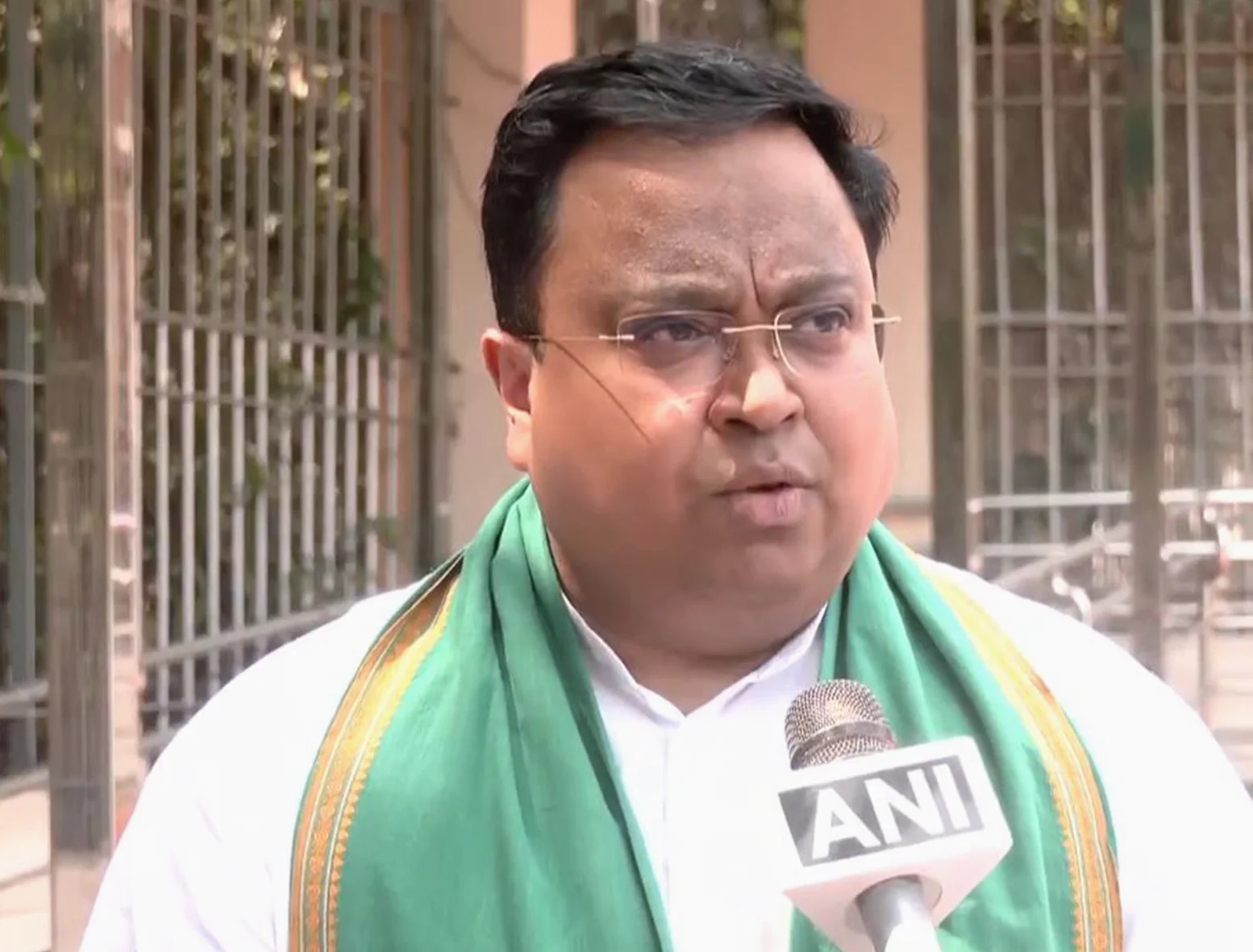
BJD MP Sasmit Patra’s Support for Court Action
BJD MP Sasmit Patra has strongly backed the Supreme Court’s suo motu action on NCERT’s Class 8 curriculum, which he described as ‘unwarranted and deplorable’. Patra called for not only the withdrawal of the books but also for identifying those responsible for the controversial content and ensuring a framework to prevent such material from appearing in textbooks or other public platforms.
‘I strongly support the views of CJI Justice Surya Kant not only as a parliamentarian but also as a member of the Supreme Court bar because such curriculum which seems to be denigrating the image of the judiciary in books is extremely unwarranted and deplorable,’ Patra said.
Patra emphasized that proper precautions must be taken to prevent similar content from being included in future textbooks. He noted that the Supreme Court has already taken suo motu action in this regard and urged for accountability and preventive measures to ensure the integrity of educational materials.
NCERT’s Response and Future Steps
NCERT had previously issued an apology and stated that it would review and revise the chapter following proper consultation. The organization acknowledged that the reference to corruption was inappropriate and withdrew the distribution of its newly released Class 8 Social Science textbook after the controversy emerged.
The Supreme Court’s action highlights the importance of maintaining the integrity of educational content and the role of the judiciary in ensuring that such content does not undermine public trust in the legal system. The court’s decision to issue show cause notices and demand detailed records from NCERT is a significant step in holding educational institutions accountable for the material they disseminate.
The upcoming weeks will see NCERT submitting the required documentation to the Supreme Court, which will be crucial in determining the next steps in the suo motu proceedings. The court’s decision on whether to proceed with contempt proceedings or other legal actions against NCERT will have far-reaching implications for the governance of educational content in India.
As the controversy unfolds, the focus remains on ensuring that educational materials accurately represent the institutions and values they are meant to uphold. The Supreme Court’s intervention highlights the critical need for vigilance in the development of curricula that shape the perceptions of future generations.






Comments
No comments yet
Be the first to share your thoughts