

 The Hindu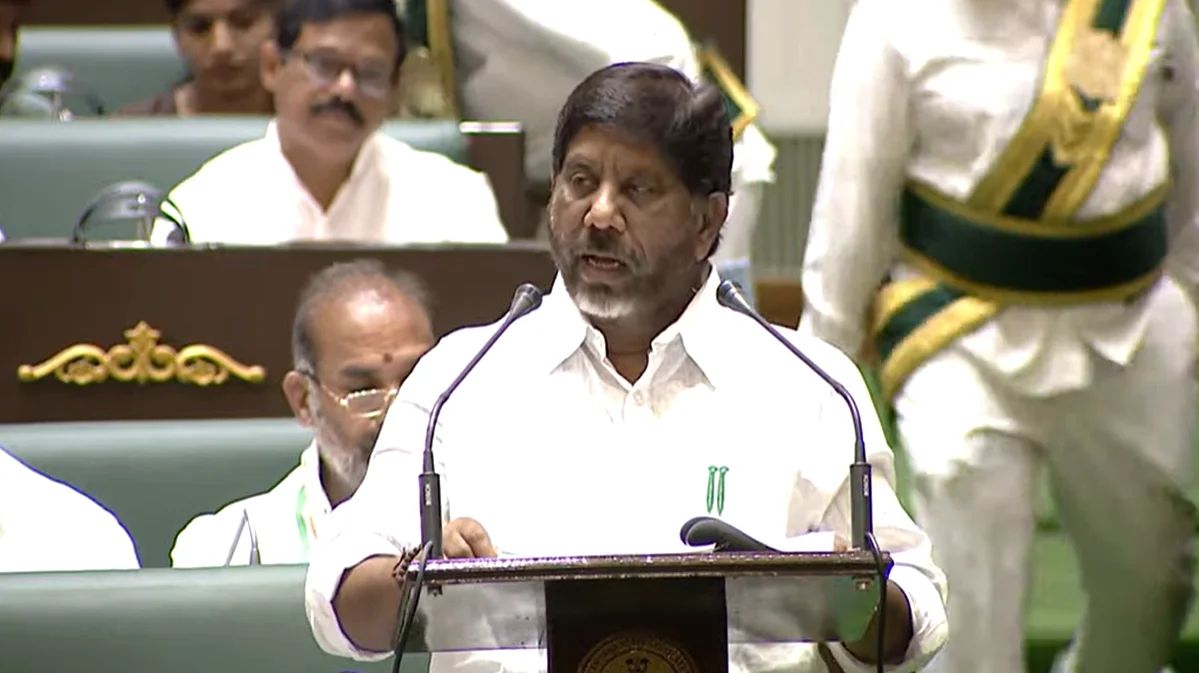
Telangana’s government announced a major cashless health security scheme on March 20, 2026, aimed at providing thorough medical coverage to government employees, pensioners, and their dependents. This long-awaited initiative, described by Deputy Chief Minister Mallu Bhatti Vikramarka as a “security and assurance” for public servants, is expected to cover over 23.51 lakh individuals, including 41 employees, pensioners, and their family members. The scheme will be implemented through the Rajiv Aarogyasri Trust, offering treatment for 1,998 diseases across both government and empanelled private hospitals.
Scope and Coverage of the Cashless Health Scheme
The Employees Health Scheme (EHS) marks a major shift in Telangana’s welfare policies, providing digital health cards to eligible beneficiaries. The scheme allows access to treatment for a wide range of ailments, including chronic and critical conditions, with no out-of-pocket expenses for the beneficiaries. The Rajiv Aarogyasri Trust, which has been instrumental in expanding healthcare access in the state, will oversee the implementation of the program. The inclusion of 421 private hospitals in the network is expected to increase accessibility and reduce waiting times for patients, particularly in urban centers.
Deputy Chief Minister Mallu Bhatti Vikramarka emphasized that the scheme is a “people’s government” initiative, ensuring that public servants and their families receive the support they deserve. “This is the assurance we are providing to employees and pensioners,” he said during the budget presentation. The scheme also includes a provision for dependent family members, extending the benefits to spouses and children of eligible individuals.
According to the budget statement, the scheme is expected to cover 23.51 lakh beneficiaries, including government employees, pensioners, and their families. The digital health cards will facilitate smooth access to treatment, reducing administrative hurdles and ensuring that beneficiaries receive timely care. The state government has also committed to expanding the coverage of diseases under the scheme, aiming to include even more rare and complex conditions in the future.
Accident and Life Insurance Coverage
Alongside the health scheme, the government introduced a thorough accident insurance policy for the first time in the country. This initiative covers government employees and pensioners, providing ₹1.20 crore in insurance coverage in case of death due to an accident. The scheme also includes a term life insurance of ₹10 lakh for individuals up to the age of 60 years. In cases of death in air accidents, an additional coverage of ₹2 crore will be provided. This initiative applies to approximately 7.57 lakh government employees and pensioners, offering them a strong financial safety net in case of unforeseen incidents.
Deputy Chief Minister Vikramarka described the accident insurance as a “first-of-its-kind” measure, designed to provide complete protection for government workers and their families. “We are ensuring that our employees and pensioners are not left vulnerable in case of accidents,” he said. The insurance coverage will be managed through the state’s existing pension and welfare schemes, with minimal additional administrative burden.
The inclusion of accident and life insurance coverage is a significant move, especially for those working in high-risk environments. The scheme is expected to alleviate financial stress for families affected by accidental deaths, ensuring that they receive adequate compensation without delays. This aspect of the budget has been welcomed by labor unions and employee organizations, who have long called for such protections.
Retirement Benefits for Anganwadi Workers
In another major policy announcement, the government introduced retirement benefits for Anganwadi workers, including teachers and helpers. Under the new policy, Anganwadi teachers will receive ₹2 lakh, while helpers will get ₹1 lakh upon retirement. The benefits will also be extended to those who choose to retire voluntarily at the age of 60 years. This initiative is expected to improve the financial security of these frontline workers, many of whom have served the state for decades.
Deputy Chief Minister Vikramarka stated that these benefits are a “clear evidence of the people’s government providing full assurance and confidence to employees and pensioners.” The move is expected to encourage more individuals to take up roles in the Anganwadi system, which plays a crucial role in child and maternal health programs across the state.
The government has also committed to reviewing the retirement benefits annually, ensuring that they keep pace with inflation and the rising cost of living. This provision is expected to provide long-term financial stability to Anganwadi workers and their families, especially in rural areas where such benefits have been historically limited.
The Telangana Budget 2026-27 has been widely seen as a significant document, focusing on welfare and security for government employees, teachers, and pensioners. The introduction of the cashless health scheme and accident insurance represents a major step forward in public welfare, addressing long-standing gaps in the existing system. With the implementation of these policies, the state government aims to create a more secure and stable environment for its public servants and their families.
Looking ahead, the government will be closely monitoring the implementation of these schemes to ensure they reach all eligible beneficiaries. The Rajiv Aarogyasri Trust will be tasked with managing the digital health cards and ensuring smooth access to treatment. The accident insurance scheme will also be reviewed periodically to ensure it meets the needs of the workforce and provides adequate coverage.
These measures are expected to have a significant impact on the quality of life for government employees and pensioners, reducing financial stress and providing a sense of security. As the state moves forward with these initiatives, it is anticipated that similar welfare measures will be extended to other sectors, further strengthening the social safety net for all citizens.






Comments
No comments yet
Be the first to share your thoughts