

Temu, the budget e-commerce platform known for dirt-cheap gadgets and labor controversies, now offers peptides popular among biohackers. These short amino acid chains, touted for muscle growth, tissue repair and cognitive boosts, appear in searches for prices starting at $4.14 for a 12-pack of skin-firming oligopeptide.
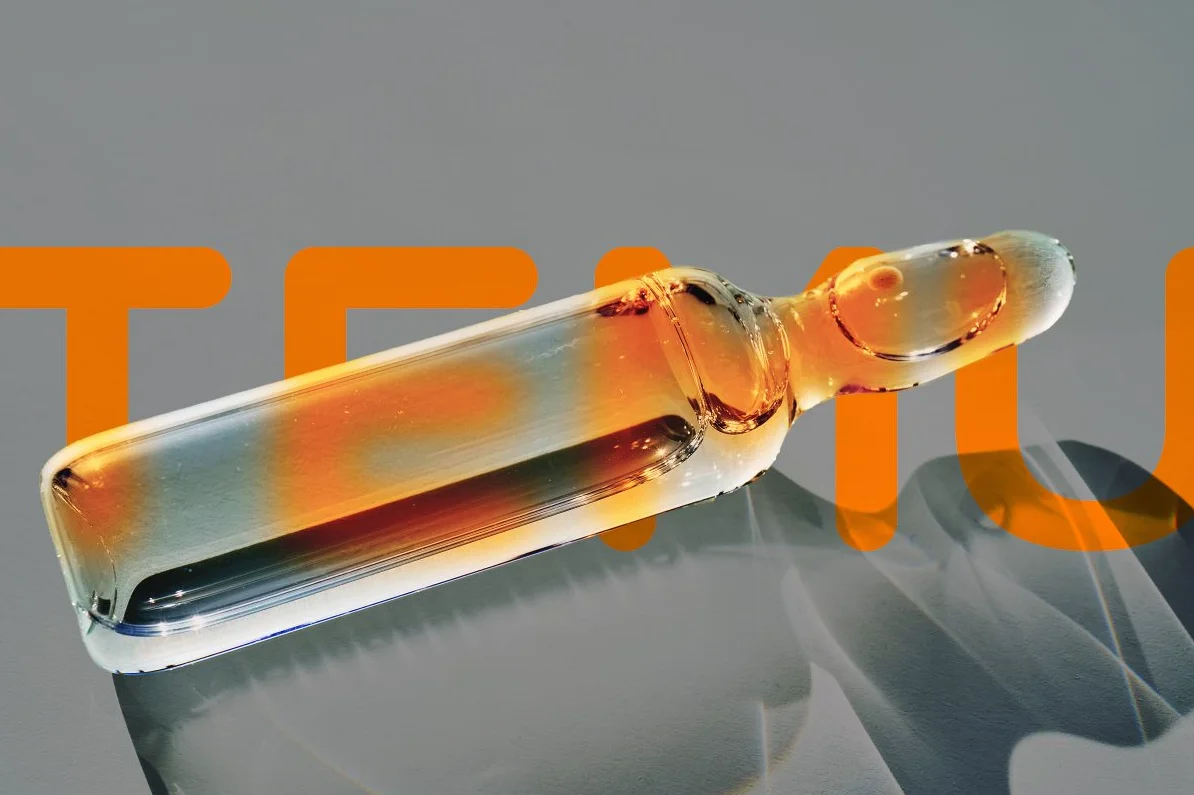
A $12 purchase nets three bottles of BPC-157, a substance derived from human stomach proteins and sold as a healing agent. Listings show pills, creams, eye drops and glass ampoules suitable for injection. Reddit threads reveal biohackers discussing needles with Temu-sourced peptides.
Such products occupy a legal gray zone in the U.S. Many ship from Chinese manufacturers labeled ‘for research use only,’ arriving as powders users mix with water for injection or IV drips, according to a New York Times report. The FDA lists several peptides as bulk drug substances, barring their sale for human consumption without approval.
San Francisco’s tech crowd kicked off the boom. Startup workers mix DIY peptide cocktails to improve performance, mirroring the ecosystem’s risk-taking culture. One supplier told the Times their typical buyer resembles a Starbucks barista, not just elite techies.
Temu listings often mismatch claims. Some labeled GLP-1s—synthetic peptides behind weight-loss drugs like Wegovy—list unrelated ingredients. Quality remains a gamble, with no guarantees on purity or contents.
The site’s scale accelerates access. Temu exploded in popularity by undercutting rivals with rock-bottom prices on electronics, clothing and oddities. Peptides’ arrival marks biohacking’s jump from niche labs to mass-market impulse buys.
After reporters queried Temu, a spokesperson stressed the platform’s third-party model. ‘Independent sellers offer products subject to platform rules and controls,’ the statement read. Temu bans peptides on the FDA’s bulk drug list, items with unauthorized medical claims and sterile needles for injection. Violations trigger removal via pre-listing checks, monitoring and user reports.
Post-inquiry, searches for ‘peptides’ or ‘GLP-1s’ shifted. Glass vials and syringes vanished, leaving mostly topical creams and ointments. Proactive scans likely culled the rest.
Experts warn of dangers. Unstudied peptides risk contamination, incorrect dosing or unknown side effects. Unlike rigorously tested GLP-1 drugs, Temu variants lack clinical trials. Biohacking’s DIY ethos, once confined to Silicon Valley, now tempts a broader crowd chasing quick fixes.
U.S. regulators have cracked down sporadically. The FDA targets rogue sellers, but China’s manufacturing dominance floods gray markets. Peptides join nootropics and other unapproved enhancers in online bazaars.
For now, Temu users hunting peptides find slim pickings. Topical options persist, but injectable temptations have faded—at least temporarily. The episode spotlights enforcement challenges on vast platforms where listings multiply hourly.






Comments
No comments yet
Be the first to share your thoughts