

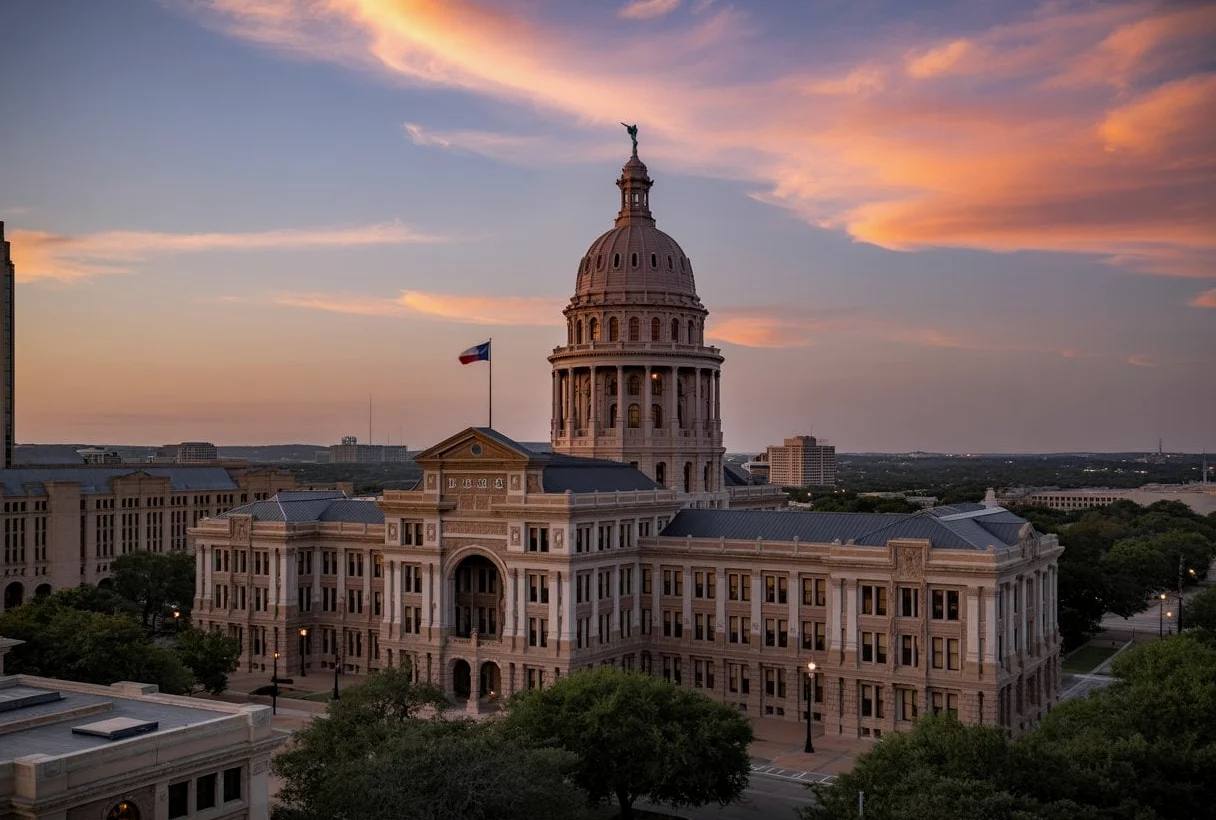
The Middle East conflict has triggered significant changes in the American travel landscape, with states such as Texas, New York, and Florida experiencing disruptions in air travel, cruise operations, and tourism flows. Airlines are rerouting flights, cruise lines are adjusting itineraries, and international travel demand is shifting, all of which are changing the U.S. tourism sector. While no immediate collapse in tourism is occurring, the economic and logistical adjustments are already being felt across major travel hubs.
Impact on Air Travel and Costs
Airspace restrictions and rerouted flight paths are increasing airfare prices on long-haul routes connecting Europe, Asia, and North America. This directly affects major U.S. gateways such as New York, California, and Texas. According to the International Air Transport Association (IATA), transatlantic and Asia-US routes have seen a 12% increase in average ticket prices over the past three months. Airlines are adjusting flight paths to avoid restricted airspace in the Middle East, which adds hours to travel time and increases fuel costs.
Texas, a hub for international business travel, is experiencing indirect effects as corporate travel patterns shift in response to geopolitical uncertainty. Houston and Dallas, major energy industry centers, are seeing adjustments in executive travel, particularly for those working with Middle Eastern partners. While essential business trips are continuing, discretionary travel such as conferences and leisure trips may see a temporary decline. According to the Texas Travel Association, international air traffic through Texas airports has decreased by 8% compared to the same period last year, though domestic travel remains resilient.
Florida’s Cruise Industry Reshapes Itineraries
Florida’s tourism sector, heavily reliant on the cruise industry, is witnessing a shift in cruise routes as operators reassess the Eastern Mediterranean and Gulf regions. Cruise lines are increasingly redirecting ships to Caribbean circuits that depart from Florida ports such as Miami, Fort Lauderdale, and Port Canaveral. This shift could strengthen Florida’s cruise-linked tourism in the short term, boosting hotel occupancy, port traffic, and local spending. The Florida Department of Tourism reported a 15% increase in cruise-related bookings in June 2024 compared to the same period last year.
However, the aviation side of Florida’s tourism is facing challenges. Longer flight routes and higher operating costs are increasing ticket prices on long-haul routes connecting Europe and Africa with Florida airports. This reduces demand from price-sensitive travelers such as students and visiting friends and relatives. Some high-spending visitors from Gulf countries, who often travel to Florida for theme parks, luxury shopping, and medical tourism, may delay or cancel trips due to uncertainty in their home economies.
New York’s Tourism Faces Rising Costs
New York, a major international gateway, is experiencing increased airfare prices and shifting travel demand as a result of the Middle East conflict. Airspace restrictions across the region are forcing airlines to reroute certain long-haul itineraries, increasing travel time and operating costs. According to the Port Authority of New York and New Jersey, airfares on transatlantic and Asia-US routes feeding into New York have risen by 10% over the past two months.
While corporate travel to the city remains relatively stable due to its role as a global financial hub, leisure travel from Europe and Asia is more price-sensitive and vulnerable to rising ticket costs. High-spending travelers from the Gulf and broader Middle East, who often visit New York for luxury shopping and medical tourism, are postponing trips due to economic uncertainty in their home regions. However, New York’s strong domestic tourism base, which accounts for 40% of total visitor spending, is helping to cushion the impact.
California’s Tourism Sector Sees Mixed Effects
California’s tourism sector is closely tied to global aviation networks, particularly long-haul travel from Europe and Asia. Major gateways such as Los Angeles and San Francisco rely on complex international routing patterns, many of which historically connected through Middle Eastern hubs such as Doha, Dubai, and Abu Dhabi. With airspace disruptions and airline network adjustments across the region, travelers now face fewer routing options, longer journeys, and higher ticket prices when flying to California.
These changes are expected to reduce marginal leisure travel demand, especially from price-sensitive travelers. However, California may also benefit from a secondary effect as instability in the Middle East reduces tourism demand in the region. Some global travelers may redirect their plans toward long-haul alternatives such as the United States. California’s global reputation for entertainment, technology, and coastal tourism makes it a strong candidate to capture part of this displaced demand. Business travel linked to the technology and film industries is expected to remain relatively stable, though some investment-related trips involving Gulf investors may be postponed or conducted virtually until geopolitical conditions stabilize.
Nevada’s Tourism Tied to High-Spending Visitors
Nevada’s tourism economy, centered on Las Vegas, relies heavily on high-spending international visitors and the meetings, incentives, conferences, and exhibitions (MICE) industry. The Middle East conflict affects Nevada primarily through changes in the spending patterns of affluent travelers and corporate groups rather than through a dramatic decline in overall visitor numbers.
High-net-worth travelers from Gulf countries represent a relatively small share of Las Vegas visitors but contribute disproportionately to gaming revenue, luxury retail spending, and premium hotel bookings. Economic uncertainty in Gulf economies may reduce these luxury trips in the short term. Additionally, multinational corporations operating in the Middle East are increasingly cautious about long-haul travel for conferences and incentive trips, leading some companies to postpone or relocate events that would normally take place in Las Vegas. This could reduce demand for high-margin convention business in the near term.
However, Nevada’s tourism industry benefits from a strong domestic visitor base, particularly from California and neighboring states. As a result, overall visitor volumes may remain stable even if international luxury spending softens temporarily. According to the Nevada Gaming Control Board, hotel occupancy in Las Vegas remained at 78% in July 2024, up from 72% in the same period last year, despite the global uncertainties.
Hawaii’s Tourism Sensitive to Airfare Trends
Hawaii’s tourism economy is highly dependent on long-haul air travel, which makes it sensitive to global airfare trends. The state has seen a noticeable decline in international visitors from Asia and Europe due to rising ticket prices and route adjustments. According to the Hawaii Tourism Authority, international air traffic to the state has decreased by 10% compared to the same period last year.
However, Hawaii is also experiencing a shift in travel patterns. Some displaced demand from Middle Eastern destinations, where tourism has declined due to instability, is beginning to flow toward the U.S. Hawaii’s unique natural attractions, cultural experiences, and reputation as a global vacation destination make it a strong candidate to attract these displaced travelers. The state is also seeing an increase in domestic travel, with many Americans choosing to vacation in Hawaii instead of traveling overseas.
What’s Next for U.S. Tourism?
The Middle East conflict is expected to continue influencing the U.S. travel economy in the coming months. Airlines and cruise lines are likely to maintain adjusted routes and itineraries until the geopolitical situation stabilizes. Travelers are also becoming more price-conscious, with many opting for domestic destinations over international trips. According to the U.S. Travel Association, domestic travel bookings have increased by 18% since the start of 2024, while international travel has seen a decline of 12%.
As the situation evolves, states like Texas, New York, and Florida are likely to see continued adjustments in their tourism sectors. Businesses and travel agencies are adapting to the new reality, offering alternative travel options and promotions to attract both domestic and international visitors. The long-term impact of the conflict on the U.S. travel industry remains uncertain, but the resilience of the domestic market suggests that the sector will continue to adapt and thrive.





Comments
No comments yet
Be the first to share your thoughts