

 WH News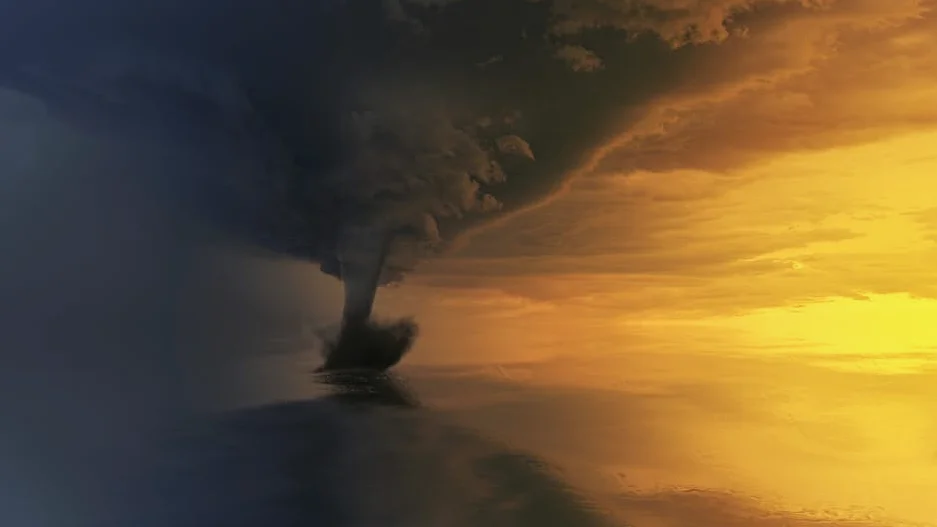
In the quiet lakeside town of Union Lake, the sound of wind had never felt so ominous. On Friday, March 6, 2026, a funnel cloud formed over frozen Union Lake, stretching toward the ground with a force that would soon uproot trees and lift entire houses into the air. By the next day, the storm had left a trail of destruction across southern Michigan, with Branch County at its epicenter. At least four people were killed, including 12-year-old Silas Anderson, whose parents found him injured after the tornado touched down, but he succumbed to his injuries at a local hospital. The devastation was not just physical; it was a stark reminder of the increasing frequency and intensity of severe weather events in the Midwest.
The Tornadoes That Broke the Silence
The tornadoes that struck Union Lake and Union City were part of a larger storm system that began in northern Indiana and moved rapidly northward. According to Lonnie Fisher, a meteorologist with the National Weather Service, the system likely produced three distinct tornadoes. While the exact number and strength of the tornadoes are still being evaluated, initial assessments confirmed that an EF3 tornado with winds of at least 150 mph (241 kph) struck the Union Lake area. Such tornadoes are capable of causing catastrophic damage, uprooting trees, and tearing through homes like paper.
Lisa Piper, a local resident, captured the chaos on her back deck, filming as the funnel cloud descended. ‘It’s lifting houses!’ she exclaimed, her voice trembling. The video showed trees being torn from their roots, debris flying through the air, and homes flattened. The storm was not only powerful but also unrelenting, leaving behind a landscape of destruction and despair.
Disaster in the Heartland
The storms did not stop at Michigan’s borders. In Oklahoma, two additional fatalities were reported in the city of Beggs, approximately 30 miles south of Tulsa. The tornado there carved a path of destruction roughly four miles long, downing trees and causing widespread power outages. The combined death toll from the storms reached at least eight, with four in Michigan and two in Oklahoma. The impact was felt across the Midwest, with tornado watches issued for regions stretching from Texas to the northeastern United States.
In Branch County, the aftermath was both immediate and overwhelming. First responders from multiple agencies were on the ground, searching through rubble and debris for more victims. Photos and videos posted on social media showed flattened homes and knocked down trees in a lakeside neighborhood. The National Weather Service confirmed that the storms rapidly intensified in southern Michigan after moving north from Indiana, creating a perfect storm of destruction.
Climate Change and the New Normal
As the dust settled, questions arose about the role of climate change in these extreme weather events. Meteorologists and climate scientists have long warned that rising global temperatures can lead to more frequent and intense weather phenomena, including tornadoes. The unseasonable heat that pulled the storm system northward, colliding with cooler Canadian air, created volatile atmospheric conditions that fueled the storms.
‘We are seeing a dangerous mix of more tornadoes and fewer meteorologists,’ said a weather expert quoted in one of the reports. The increasing frequency of these storms is not just a local issue; it is a global concern that demands urgent attention. The National Weather Service has been working to improve its forecasting capabilities, but the challenge remains daunting.
Dr. Emily Carter, a climatologist at the University of Michigan, explained, ‘The climate models predict that we will see more extreme weather events in the future. Tornadoes are just one part of that equation. We need to be prepared for the worst, not just the average.’
The Human Toll
For the residents of Branch County, the toll was both personal and communal. The loss of Silas Anderson, a 12-year-old boy, was a devastating blow to his family and the community. His parents, who had found him injured, were left to grapple with the reality of his death. The tragedy has sparked a deeper conversation about disaster preparedness and the need for better infrastructure to withstand such events.
Local authorities, including Michigan Governor Gretchen Whitmer, activated the state’s Emergency Operations Center to coordinate an all-hands-on-deck response to the weather event in the southwestern part of the state. The governor’s decision to declare a state of emergency in Branch, Cass, and St. Joseph counties underscored the severity of the situation.
While the immediate response was focused on search and rescue operations and providing emergency supplies, the long-term implications are yet to be fully understood. The damage to homes, businesses, and infrastructure will take months, if not years, to repair. The psychological impact on the affected residents is also a concern that cannot be overlooked.
A Call for Resilience
The storms that swept through southern Michigan and Oklahoma in March 2026 were a sobering reminder of the unpredictability of nature. As climate change continues to reshape the weather patterns across the globe, communities like Branch County must find ways to adapt and build resilience.
Experts suggest that investing in better infrastructure, improving early warning systems, and increasing public awareness about disaster preparedness are crucial steps toward mitigating the impact of future storms. The events in Branch County have highlighted the need for a coordinated national response to climate-related disasters.
The tragedy of Silas Anderson and the other victims serves as a powerful reminder of the human cost of these events. As the Midwest grapples with the aftermath of this storm, the lessons learned will shape the future of disaster response and climate policy in the region.
The Road Ahead
As the people of Branch County begin the long process of rebuilding, the focus must remain on both immediate recovery and long-term resilience. The storm may have passed, but the questions it raised about climate change, disaster preparedness, and community resilience are only beginning to be answered.
The events of March 6 and 7, 2026, will be remembered not just for the destruction they caused, but for the call to action they inspired. The people of Branch County, Michigan, and the wider Midwest must come together to face the challenges of a changing climate, ensuring that such tragedies do not become the new normal.






Comments
No comments yet
Be the first to share your thoughts