

 BBC
BBC 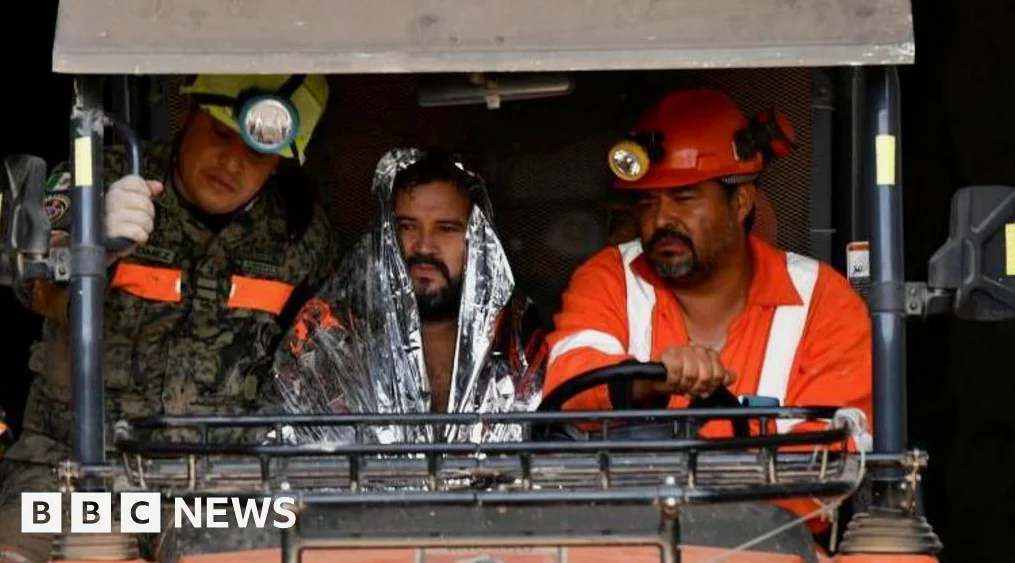
Francisco Zapata Nájera, 42, was rescued from a flooded tunnel in a gold mine in Sinaloa, northern Mexico, 14 days after becoming trapped; he was located 300 meters below ground when an embankment collapsed on 25 March, according to the BBC.
The Collapse and Initial Response
The incident occurred at a gold mine in Sinaloa, where an embankment collapsed on 25 March, trapping four miners, and Twenty-five workers were inside the mine at the time of the tailings dam failure, which is a structure used to hold mining waste. Twenty-one workers managed to escape, but four were left behind, according to the source.
José Alejandro Cástulo was rescued after five days underground, and another miner died during the initial rescue efforts; Francisco Zapata Nájera was the last of the four to be found, and it took rescuers 13 days to locate him, according to the BBC.
Rescue Efforts and the Torchlight Signal
Rescuers conducted more than 300 hours of searching before finally spotting the blinking of Zapata’s torchlight, which he had turned on and off to signal his location. As they reached him, rescuers asked, ‘How are you, how are you?’
Once the rescuers identified themselves as specialized military divers, they told Zapata that ‘your torchlight helped us a lot.’ One of the divers added, ‘It guided us,’ according to the source.
Zapata told his rescuers. ‘I didn’t lose faith. I didn’t lose faith.’ Despite his relief, his ordeal was not yet over due to the flooding in the tunnel leading to his location. The divers could not immediately extract him and left him with water, cans of tuna, and energy bars, promising to return soon.
Final Extraction and Aftermath
After 20 more hours of pumping water from the flooded tunnels, Zapata could finally be taken to the surface. He emerged wrapped in a thermal blanket and was seated on an electric cart, according to the BBC. He was taken by helicopter to a hospital where he was able to reunite with his family.
Doctors reported that Zapata was frail but stable and would receive the necessary treatment. Mexican President Claudia Sheinbaum praised the Mexican army and Zapata’s faith and resilience, which she said had made the ‘astounding rescue’ possible.
The search continues for another miner who is still missing. The incident highlights the dangers faced by miners in flooded tunnels and the challenges of rescue operations in such environments.
The rescue of Zapata Nájera has been described as a remarkable achievement by the Mexican military, who worked tirelessly to locate and extract him from the flooded tunnel. The use of Zapata’s torchlight was a critical factor in the successful rescue.
Despite the successful extraction, the incident has raised concerns about the safety measures in place at mining operations, particularly in areas prone to flooding and structural failures. The Mexican government has been urged to review the protocols and safety standards in the mining sector.
The emotional reunion of Zapata with his family and the praise from the president reveal the significance of the rescue operation. The event has been widely covered by the media, with many highlighting the resilience and determination of the trapped miner and the dedication of the rescue team.
Zapata’s story is a testament to human endurance and the importance of perseverance in the face of adversity. His survival after 14 days in a flooded tunnel is a remarkable feat and a reminder of the risks faced by miners around the world.






Comments
No comments yet
Be the first to share your thoughts