

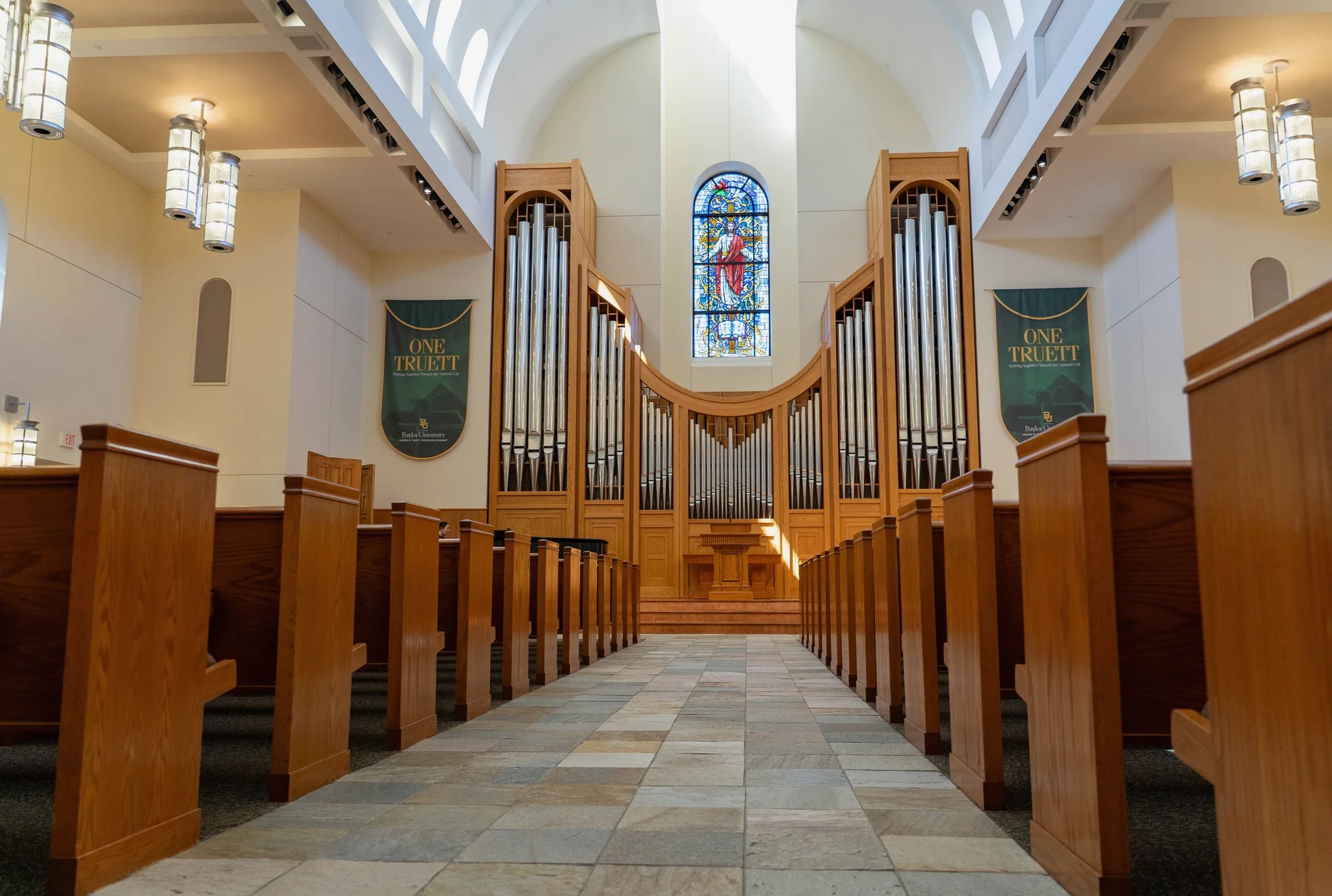
Baylor University’s Truett Seminary has made a bold commitment to ensure that theological education is accessible to all students called to ministry, offering full scholarships to every student in its programs. According to the seminary’s website, Truett awards more than $5.5 million in scholarships each year, allowing students to pursue their vocations without the burden of financial debt.
Full Scholarship Coverage for All Students
Unlike other programs at Baylor, Truett Seminary guarantees that every student receives a scholarship. This policy has allowed the seminary to become a leading institution for theological education, with 100% of its students receiving financial support in some form.
According to Melissa Lambeth, coordinator of student services administration and scholarship coordinator for Truett Seminary, the generosity of donors plays a critical role in this commitment.
“Due to our large number of generous donors, Truett is able to offer substantial scholarships to our students,” Lambeth said. “Having access to these scholarships makes seminary education feasible for men and women who are called to vocations in and alongside Christ’s church.”
Impact on Student Decisions
For many students, the availability of scholarships has been the deciding factor in choosing Truett Seminary over other institutions. Ed Wells Jr., a first-year Master of Divinity student from Birmingham, Alabama, said the financial support was essential to his decision.
“With my scholarship, tuition is covered, but I still pay for books and housing and things like that,” Wells said. “It makes Truett a real possibility for me as I’m preparing for ministry. The scholarship enables me to study here, which may not be possible without it.”
Wells also receives additional funding from the Baptist General Convention of Texas, which covers part of his tuition. This combination of scholarships from Truett and the convention allows him to focus on his studies without the financial strain that often accompanies seminary education.
Church-Matching Scholarships and Community Involvement
One of the unique aspects of Truett’s scholarship program is the church-matching scholarship, which encourages students and their churches to partner in supporting their seminary education.
“The church-matching scholarship is a great way to not only get a student’s church involved in their seminary education but also support the student beyond the cost of tuition,” Lambeth said. “We encourage all students to use this resource, as it is a wonderful partnership and opportunity for churches to be involved in training future ministers.”
This initiative not only provides financial support but also strengthens the relationship between the church and the seminary, ensuring that students are trained in a context that reflects the values and needs of their communities.
Lambeth emphasized the broader impact of these scholarships, noting that they help students avoid the financial burden that could hinder their ability to follow God’s calling.
“It enables them to receive high-quality theological education without going into debt that could hamper their ability to follow God’s leading,” Lambeth said.
For Wells, the financial aspect of his decision was critical. He said he considered other schools but ultimately chose Truett because of the scholarship support.
“There were other schools I was looking at,” Wells said. “I can’t say for sure what I would have chosen to do, but it would have been much more difficult.”
Truett’s commitment to reducing financial barriers for students has made it a symbol for aspiring ministers. Wells said he knows several students who would not be able to study at Baylor otherwise.
“I know several students who benefit from the scholarship and would not be able to study at Baylor otherwise,” Wells said. “I’m really grateful for it because I get to study at Baylor and learn from the professors here.”
With the continued support of donors and the innovative scholarship programs, Truett Seminary is setting a precedent for how theological education can be made accessible and sustainable for future church leaders.






Comments
No comments yet
Be the first to share your thoughts