

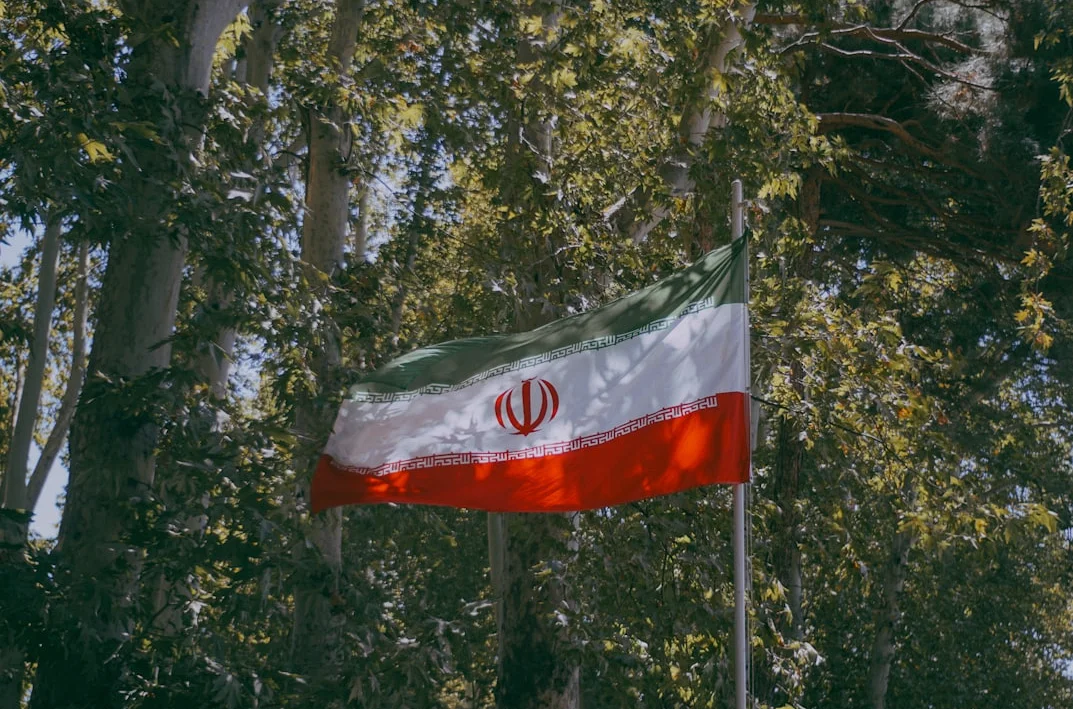
On May 8, 2018, U.S. President Donald Trump made a key decision to withdraw the United States from the Joint Thorough Plan of Action (JCPOA), a landmark multilateral agreement signed in 2015. The deal, which involved Iran, the United States, the United Kingdom, France, Germany, China, Russia, and the European Union, aimed to curb Iran’s nuclear program in exchange for the lifting of economic sanctions. The agreement was set to last until 2025, with the hope of preventing Iran from acquiring nuclear weapons.
Immediate Consequences of the Withdrawal
The decision to exit the deal, which Trump called a ‘bad deal,’ was made unilaterally and without the consent of the other signatories. This move led to a swift reimposition of U.S. sanctions on Iran, which had been lifted under the JCPOA. The sanctions targeted Iran’s oil exports, banking sector, and key industries, effectively crippling its economy within months.
Iran responded by gradually reducing its compliance with the nuclear deal, including enriching uranium beyond agreed limits and restarting nuclear activities. The U.S. withdrawal also led to increased military posturing by both nations, with Iran conducting ballistic missile tests and the U.S. increasing its military presence in the region.
According to the International Atomic Energy Agency (IAEA), Iran’s enrichment of uranium to 20% purity—a level far above the 3.67% limit set by the JCPOA—was reported in late 2019. This marked a significant escalation in nuclear activity and raised concerns about the potential for Iran to develop nuclear weapons.
Regional and Global Diplomatic Fallout
The U.S. withdrawal from the JCPOA had far-reaching implications for international diplomacy. European allies, including France, Germany, and the United Kingdom, attempted to salvage the deal through the Instrument in Support of Trade Exchanges (INSTEX), a mechanism designed to allow European companies to trade with Iran without violating U.S. sanctions. However, INSTEX has had limited success, with few European firms willing to risk U.S. penalties.
Meanwhile, the United States intensified its pressure on Iran through a series of military actions. In January 2020, the U.S. drone strike that killed Iranian General Qasem Soleimani in Baghdad escalated tensions to a new level, leading to retaliatory attacks by Iran and its proxies in the region. The assassination was a direct response to Iran’s growing influence in Iraq and Syria.
According to the U.S. Department of Defense, the number of U.S. troops in the Middle East increased by 10,000 in the years following Trump’s decision. The buildup was justified as a necessary measure to protect American interests and deter Iranian aggression.
Long-Term Impact on Middle East Stability
Analysts argue that the U.S. withdrawal from the JCPOA has contributed to the ongoing instability in the Middle East. The breakdown of diplomatic efforts has left a power vacuum that has been filled by regional actors, including Saudi Arabia, Israel, and Iran, each pursuing their own strategic interests.
According to a 2023 report by the Brookings Institution, the number of active conflicts in the Middle East has increased by 40% since 2018. The region has seen a rise in proxy wars, cyberattacks, and economic sanctions, all of which have taken a toll on the civilian population.
Iranian officials have repeatedly called for a return to the JCPOA, stating that the deal was the best opportunity to prevent nuclear proliferation and reduce regional tensions. However, the U.S. has not shown any willingness to rejoin the agreement, with current President Joe Biden expressing conditional support for negotiations with Iran.
According to the U.S. State Department, the Biden administration has proposed a new framework for negotiations with Iran, but the talks have yet to yield concrete results. The administration faces pressure from both domestic and international stakeholders to resolve the nuclear issue before the 2024 U.S. presidential election.
As the region continues to grapple with the consequences of Trump’s decision, the need for renewed diplomatic efforts remains critical. The path to peace in the Middle East may depend on the willingness of all parties to engage in meaningful negotiations and find a lasting solution to the nuclear standoff.


Comments
No comments yet
Be the first to share your thoughts