

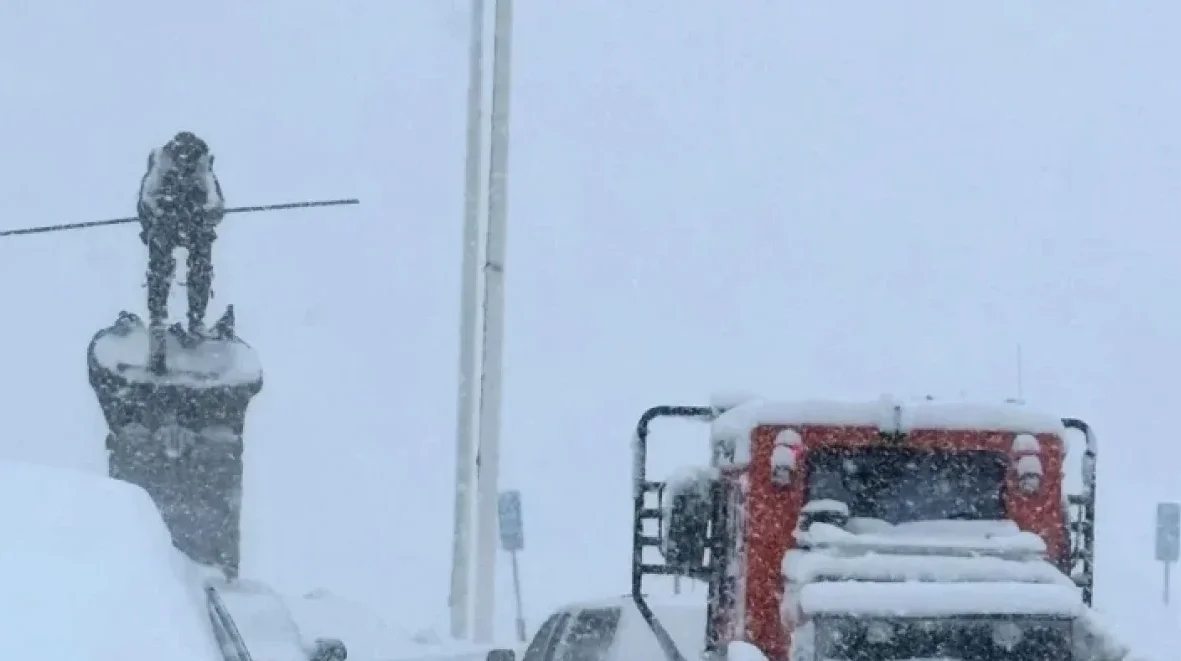
Two skiers were killed in separate incidents at Lake Tahoe’s Heavenly resort, adding to a tragic toll of 11 fatalities this winter from avalanches and medical emergencies. The deaths, reported by the Douglas County Sheriff’s Office, have raised urgent questions about winter sport safety and risk awareness in one of the most popular ski destinations in the United States.
Tragedy at Heavenly Resort
A 33-year-old man was found dead on an intermediate ski trail at Heavenly resort on February 10, while another individual, aged 58, succumbed to a medical emergency on the same day. Both incidents are under investigation, but the sheriff’s office confirmed that neither was linked to an avalanche.
The two fatalities bring the total number of deaths in the Lake Tahoe region this winter to 11, following a catastrophic avalanche at Castle Peak on February 3 that claimed the lives of nine people, including a group of friends and professional guides. That avalanche was the deadliest in the region in over a decade.
Winter Sport Safety in Question
Officials and experts are now scrutinizing the decisions made by skiers, both amateur and professional, who have been venturing into dangerous conditions despite warnings from meteorologists and avalanche forecasters. The incidents have sparked conversations about the balance between the thrill of winter sports and the risks that come with them.
‘This is a sobering reminder that even experienced skiers are not immune to the dangers of the backcountry,’ said Sarah Johnson, a regional safety officer with the National Ski Areas Association. ‘We need to ensure that all skiers, regardless of their skill level, are properly informed about the risks and prepared for emergencies.’
The Castle Peak avalanche, which occurred in a remote area not typically used by commercial resorts, highlights the growing challenge of managing risks in both backcountry and resort settings. Officials said the group had been following guidelines, but the conditions were more severe than anticipated.
National and International Concerns
The fatalities in Lake Tahoe are not isolated. Similar incidents have been reported across the United States, with ski resorts in Colorado, Utah, and British Columbia all experiencing increased avalanche risks this season. In the United Kingdom, community safety groups have been closely monitoring the situation, noting a rise in avalanche-related fatalities among tourists.
In Canada, where ski tourism has seen a surge in recent years, resorts are grappling with the challenge of expanding access while maintaining safety standards. The same dilemma is also being faced in Australia, where ski resorts in the Australian Alps have reported a 20% increase in visitors compared to the previous season.
‘The increase in visitors has put more pressure on our emergency response teams and safety infrastructure,’ said Tom Lee, a spokesperson for the Canadian Mountain Safety Council. ‘We are working with local governments to develop better risk assessment protocols and improve public education on avalanche safety.’
The Lake Tahoe tragedies have also prompted discussions about the role of technology in improving winter sport safety. Some resorts are now exploring the use of real-time weather monitoring systems and advanced avalanche prediction models to better inform skiers about the conditions they are entering.
Looking ahead, officials are expected to announce a series of safety initiatives in the coming weeks, including mandatory avalanche safety training for skiers in high-risk areas and stricter regulations for resorts operating in avalanche-prone zones.
As the winter season continues, the focus will remain on preventing further tragedies and ensuring that the growing number of winter sport enthusiasts can enjoy the outdoors safely.





Comments
No comments yet
Be the first to share your thoughts