

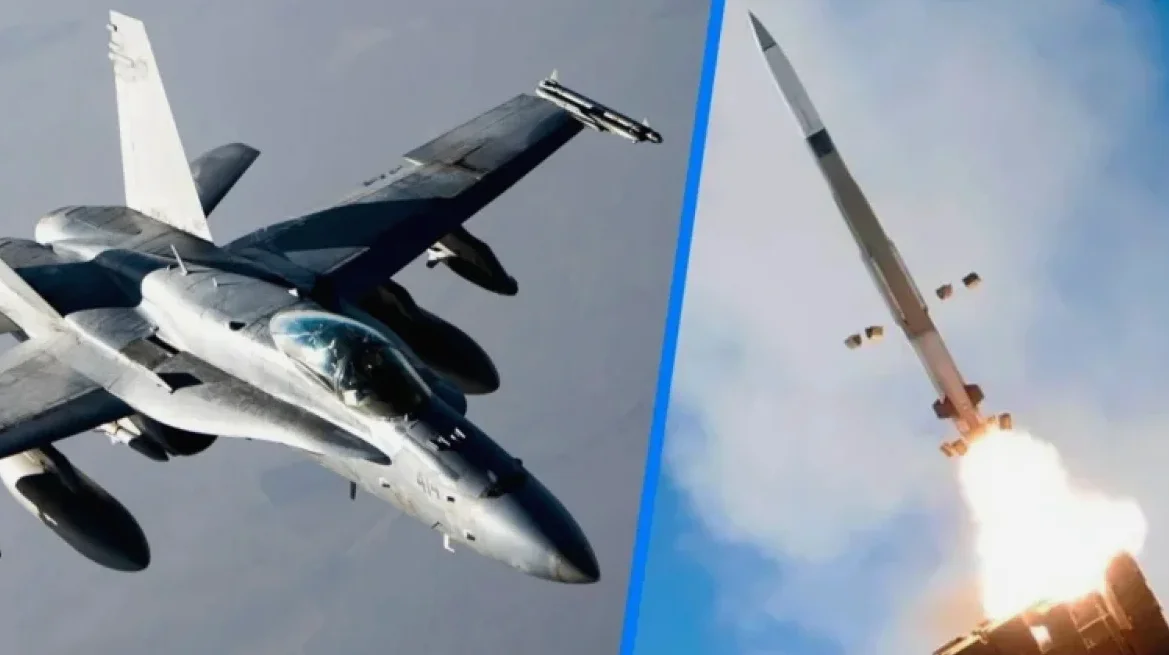
Three U.S. Air Force F-15E Strike Eagles were lost in a friendly fire incident over Kuwait on March 1, 2026, highlighting the ongoing challenges of identifying allied forces in complex combat environments. U.S. Central Command confirmed the incident occurred during Operation Epic Fury, though the pilots managed to escape without serious injury. The event has reignited concerns about the risks of blue-on-blue incidents in modern air warfare, where advanced technology and extensive training fail to fully eliminate the potential for fratricide.
Historical Precedents and Pattern of Friendly Fire
This incident is not the first of its kind. Friendly fire events have marked U.S. military operations since the Cold War, with notable cases including the 1994 friendly fire incident in Bosnia, where a U.S. tank mistakenly engaged a U.S. Bradley Fighting Vehicle, and the 2003 incident in Iraq, where a U.S. Apache helicopter fired upon a U.S. convoy.
According to military analysts, these incidents are often attributed to confusion, misidentification, and flaws in command structures. In the case of the March 1, 2026, incident, the exact cause remains under investigation, but preliminary reports suggest a mix of communication breakdown and identification failures.
“Despite technological advancements, the risk of friendly fire remains a persistent issue, especially in coalition operations where multiple forces with varying doctrines and communication systems are involved,” said Dr. Emily Carter, a defense analyst at the Center for Strategic and International Studies.
Strategic Implications and Policy Reassessment
The incident has sparked a broader reevaluation of air-to-air identification protocols and communication systems within coalition forces. The intersection of U.S. military doctrine with those of allied nations, including the UK, Canada, and Australia, has created a complex operational environment that increases the likelihood of fratricide.
According to U.S. Central Command, the incident highlights the need for improved Identification Friend or Foe (IFF) systems and enhanced communication networks. These systems are critical in distinguishing between allied and enemy forces, especially in high-stress combat scenarios where split-second decisions can have life-or-death consequences.
“The modern battlefield is more chaotic than ever, with adversaries employing electronic warfare and asymmetrical tactics to exploit moments of confusion,” said Colonel David Lee, a former U.S. Air Force officer and military consultant.
International Impact and Coalition Adjustments
The incident has also prompted allied nations to reassess their military strategies and readiness. In the UK, the Royal Air Force has initiated a review of its operations in alignment with NATO standards. Canada has announced plans to enhance cooperative exercises focusing on clear communication and operational clarity. Australia is conducting an assessment of its tactical readiness in joint support operations.
“The loss of U.S. aircraft has raised questions about the effectiveness of current engagement rules and the need for stronger accountability mechanisms,” said a senior U.S. defense official, speaking on condition of anonymity.
Analysts predict that the U.S. military may face increased pressure to reevaluate its rules of engagement following an internal investigation into the F-15E incident. Additionally, there is a growing call for accelerated integration of advanced IFF systems and communication protocols across allied forces.
“The next few weeks will be critical in determining the policy changes that emerge from this incident,” said Dr. Carter. “We can expect a surge in coalition exercises aimed at improving synchronization and understanding of operational doctrines among allied forces.”
While the safety of the F-15E crew is a positive outcome, the incident highlights the deep-rooted challenges of modern combat environments. It serves as a stark reminder that even the most advanced technology and careful planning cannot fully eliminate the risks inherent in complex military operations.






Comments
No comments yet
Be the first to share your thoughts