

 The Guardian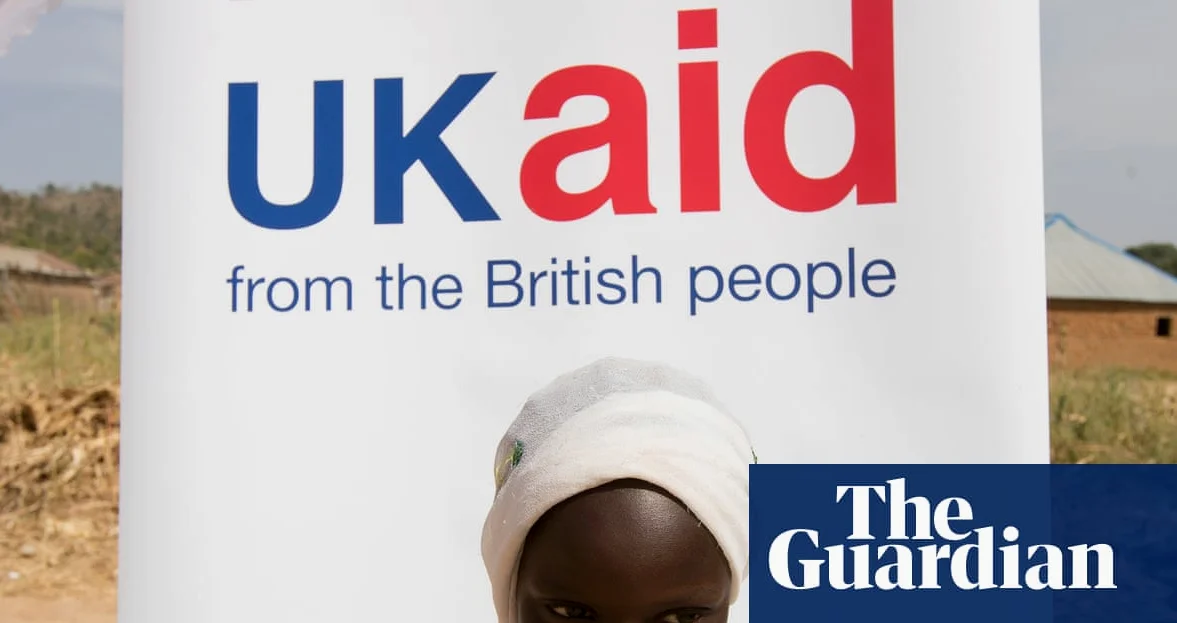
The UK’s bilateral aid to African countries will be reduced by nearly £900 million by 2028-29, representing a 56% cut; this move is part of broader budget reductions totaling over £6 billion, which are intended to fund an increase in defense spending. Aid agencies have criticized the cuts. Calling them the steepest in the G7 and warning that they could leave the UK’s reputation in tatters and create a more unstable and unequal world.
Impact on Development and Humanitarian Aid
The cuts will significantly affect programs that fund schools, clinics, and other essential services in the world’s poorest countries. A 40% reduction in UK aid spending, which MPs approved last year, means that all aid spending will be cut to all G20 countries except Turkey, with the majority now focused on conflict zones, primarily Palestine, Sudan, and Ukraine. Spending will be protected this year for Lebanon, a decision signed off by officials on Wednesday night, due to the current intensity of the Israeli offensive.
Countries such as Afghanistan. The overhaul means 70% of all support will be allocated to the most fragile and conflict-affected states by 2029. Somalia, and Yemen will be among those facing cuts, though Foreign Secretary Yvette Cooper said they would still receive funding from multinational aid agencies. Meanwhile, countries like Mozambique and Pakistan will have almost all their development aid cut, replaced by partnerships for investment.
The crisis reserve for humanitarian emergencies has also been cut, though by less than expected, from £85 million to £75 million. Cooper said this was a difficult choice in the face of international threats. Romilly Greenhill. CEO of Bond. The UK network for NGOs, warned that Africa and the Middle East, home to some of the world’s least-developed countries, would be forced to pay the highest price due to the reduced budget.
Consequences for Health and Education
Bond’s analysis of the impact assessment showed that the government’s own data indicated the cuts would leave children, people with disabilities, and older people more vulnerable across several countries, including Ethiopia, Mozambique, Rwanda, Tanzania, and Zambia. Fewer girls and children with disabilities will be able to go to school in South Sudan. Cuts to programs in Somalia, one of the world’s most unstable countries, are likely to heavily affect access to health services for women and children.
The most significant impact will be felt across Africa, with bilateral overseas development aid expected to fall from £818 million in 2026 to £677 million by 2029. The Foreign, Commonwealth and Development Office (FCDO) stated that this shift is part of a pivot to multilateral contributions through the World Bank and the African Development Bank. The FCDO will also phase out all funding for bilateral programs in G20 countries, except for a small allocation to refugee-hosting in Turkey.
No direct aid will go to countries such as Brazil, India, Indonesia, and South Africa. The development minister, Jenny Chapman, said some of the poorest African nations, including Malawi, Mozambique, and Sierra Leone, had expressed a preference for expertise partnerships with the UK, focusing on building stable financial systems and clean energy, rather than traditional aid programs.
Chapman addressed concerns that the cuts represented a values shift, stating that the government had undertaken the task in a collaborative way with global south partners. She emphasized that the UK had been open about the changes and had engaged internationally to have these conversations.
Political and Strategic Considerations
Some Labour MPs have been critical of the cuts, with Fleur Anderson, the MP for Putney, stating that while the government has increased defense spending in response to a more dangerous world, it has cut the investment that helps build stability before crises emerge. She argued that a serious approach must place development spending at the heart of global resilience and security, warning that without it, the UK is simply waiting for crises to occur.
Cooper admitted that she was making hard choices on aid but said the UK would still be the fifth-biggest funder in the world. She avoided spelling out the precise level of cuts, with details only revealed in the equality impact assessments. The FCDO has said the changes will prioritize geopolitical security and conflict, as well as funding for major multinational agencies, such as the vaccine program Gavi.
The UK has ringfenced £240 million a year until 2029, alongside billions in loan guarantees for Ukraine, as well as protecting allocations for Palestine and Lebanon at current levels, with the latter explicitly funded to “reduce the drivers of irregular migration.” The cuts will also end aid to some major funders, including polio eradication and the Pandemic Fund.
The cost of housing asylum seekers in UK hotels—running at roughly £2 billion a year—is taken from the aid budget. This means that by 2027-28, aid spending on overseas programs is expected to reach its lowest since records began in 1970, at just 0.24% of gross national income. Chapman said it was a wholesale overhaul of the way aid spending would now operate, despite the 0.7% aid target being legally enshrined. Cooper said it was the government’s intention to gradually return to the target when possible.
Adrian Lovett, UK executive director of the ONE Campaign, said the figures laid bare the true scale of the cuts and the damage they would do. He warned that slashing bilateral aid to Africa, where need is greatest, would have a devastating impact, leaving millions without access to basic healthcare, education, and urgent humanitarian support, and risking a resurgence of deadly diseases the UK has spent decades trying to fight.

Comments
No comments yet
Be the first to share your thoughts