

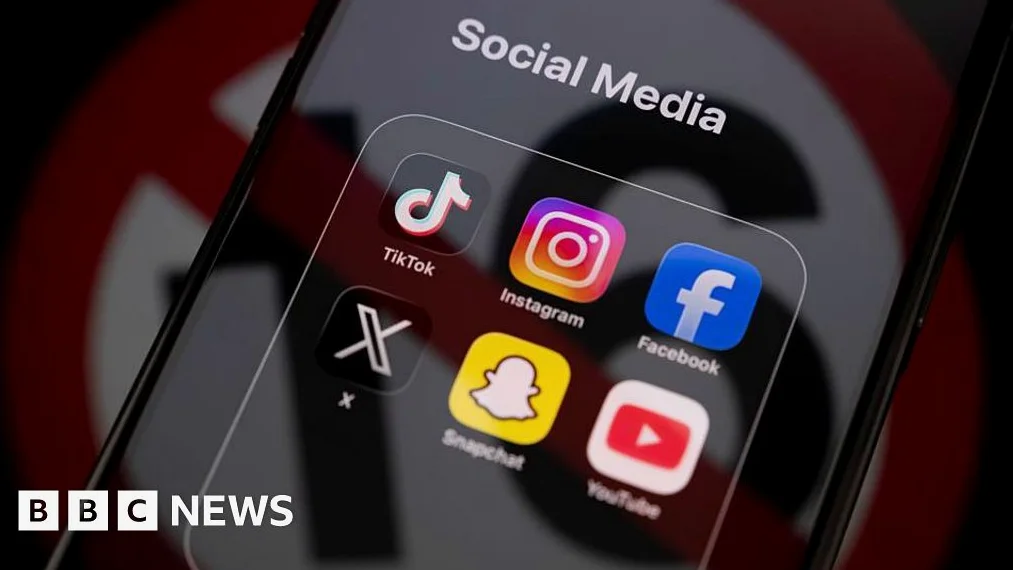
The UK government has announced plans to restrict access to social media platforms for children under the age of 16, a move that has sparked widespread debate and raised several unanswered questions. According to the government. The initiative aims to protect young users from the risks associated with social media, including mental health issues, cyberbullying, and exposure to inappropriate content.
Which platforms will be banned?
The government has not yet provided a definitive list of platforms that will be included in the ban. According to a press release. The focus is on platforms ‘whose purpose is to enable social interaction and which allow users to post material.’ Messaging apps like WhatsApp and Signal are unlikely to be included, despite being widely used by children. According to Ofcom data. WhatsApp is used by half of all 8–17 year-olds in the UK.
Pinterest, Discord, Bluesky, Tumblr, and Telegram are also absent from the list of platforms banned in Australia, suggesting that the UK government may take a similar approach. However, the government has stated that it is still considering ‘how to determine exactly which platforms will fall under the restrictions.’
How will the ban be enforced?
One of the most pressing concerns is how the government will enforce the ban — the government plans to use ‘highly effective age assurance’ measures to verify users’ ages. These could include facial recognition technology, photo ID verification, or digital identity services like Yoti.
However, Ofcom has raised concerns about the feasibility of enforcing the ban at age 16, and According to a letter to the government, there are fewer methods available to accurately estimate if someone is under 16 compared to under 18. This could make enforcement more challenging, particularly for platforms that rely on user-generated content.
There are also questions about whether the government will crack down on the use of virtual private networks (VPNs) to bypass age restrictions; While the government has not commented on this directly, some experts suggest that enforcing the ban without targeting circumvention tools will be difficult.
What about privacy and user rights?
The government has emphasized that the ban is about protecting children’s well-being, but critics argue that the measures could infringe on privacy and online freedom. The use of facial recognition and ID verification raises concerns about data security and the potential for misuse of personal information.
Plus, some experts warn that a blanket ban on social media for under-16s could push children to use unregulated or unsafe platforms instead. The government has not yet addressed how it will balance the need for protection with the importance of digital literacy and responsible internet use.
As the government continues to develop its plan, it will need to provide more clarity on the scope, enforcement, and potential consequences of the proposed ban.





Comments
No comments yet
Be the first to share your thoughts