

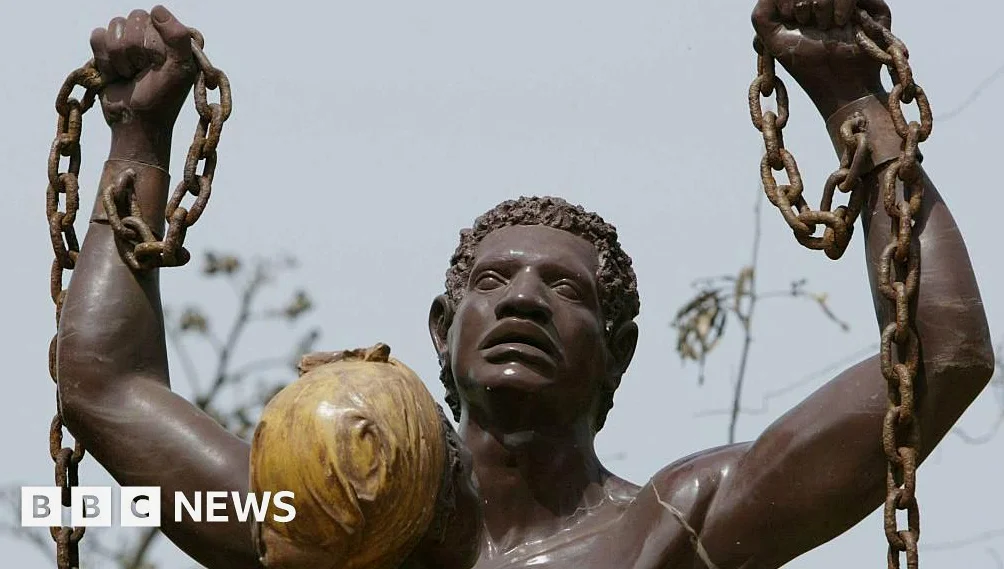
The United Nations General Assembly has passed a resolution condemning modern slavery as the ‘gravest crime against humanity,’ with significant support from member states, according to multiple reports. The vote, which took place earlier this week, has sparked international debate about the role of governments and international institutions in addressing the issue of human trafficking and forced labor, particularly in regions like the Middle East and parts of Asia.
Background and Context of the Resolution
The resolution, titled ‘Ending Modern Slavery: A Global Imperative,’ was introduced by a coalition of countries including the United States, the United Kingdom, and several European nations. It defines modern slavery as including forced labor, debt bondage, and forced marriage, and calls for increased international cooperation to combat these practices.
According to the U.S. Mission to the United Nations, Ambassador Mike Waltz, the U.S. Representative to the United Nations, supported the resolution and emphasized the need for a unified global response to modern slavery. ‘Modern slavery is a violation of human dignity and a threat to global stability,’ Waltz said in a statement. ‘The U.S. stands with nations committed to ending this grave injustice.’
The resolution also includes calls for enhanced data collection on modern slavery, increased funding for anti-slavery programs, and stronger legal frameworks to hold perpetrators accountable. The text of the resolution was widely circulated among member states and was supported by over 120 countries, with only a handful of nations, including North Korea and Iran, opposing or abstaining from the vote.
Reactions from Around the World
The resolution has been met with mixed reactions from various regions. In Europe, the decision was broadly welcomed, with officials in the United Kingdom and Germany expressing strong support. ‘This is a historic step forward in the fight against modern slavery,’ said a spokesperson for the UK Foreign Office. ‘We must ensure that the resolution is not just symbolic but leads to concrete action.’
In Asia, responses were more varied. Japan, for example, supported the resolution but expressed concerns about the practical implementation of the proposed measures. ‘While we agree with the intent of the resolution, the challenge lies in its execution,’ said a Japanese official in a press briefing. ‘Japan is committed to working with the international community to find effective solutions.’
In contrast, some African nations, including Nigeria and Kenya, voiced reservations about the resolution. ‘While we support the goal of ending modern slavery, the resolution does not adequately address the root causes of the problem in our region,’ said a Nigerian delegate. ‘We believe the focus should also be on economic development and poverty reduction as part of the solution.’
Implications for International Law and Policy
The passage of the resolution could have far-reaching implications for international law and policy. It may serve as a basis for new legal instruments aimed at holding states and corporations accountable for complicity in modern slavery. According to the U.S. Mission to the United Nations, the resolution includes provisions that could lead to the creation of an international task force to monitor and report on the prevalence of modern slavery.
Some legal experts have noted that the resolution may also influence future international treaties and agreements. ‘This is a significant moment in the evolution of international human rights law,’ said Dr. Amina El-Sayed, a human rights lawyer based in Geneva. ‘The resolution could pave the way for more binding legal mechanisms to combat modern slavery at a global level.’
However, others have raised concerns about the enforceability of the resolution’s recommendations. ‘While the resolution is a positive step, it lacks specific enforcement mechanisms,’ said Dr. El-Sayed. ‘Without clear consequences for non-compliance, the impact of the resolution may be limited.’
Local and Regional Impact
The resolution is expected to have a significant impact on local and regional efforts to combat modern slavery. In countries like India and Indonesia, where modern slavery is a growing concern, the resolution may provide a framework for new legislation and increased funding for anti-slavery initiatives.
In India, the government has already announced plans to align its national anti-slavery policies with the UN resolution. ‘This resolution provides a clear international framework that we can use to strengthen our domestic laws,’ said an Indian official. ‘We are committed to working with the international community to end modern slavery in all its forms.’
In Indonesia, the resolution has sparked a renewed debate about the role of the private sector in combating modern slavery. ‘Many of the industries involved in modern slavery are private sector enterprises,’ said an Indonesian human rights advocate. ‘The resolution could push for greater corporate accountability and transparency in supply chains.’
What’s Next and Why It Matters
The resolution marks a significant step in the international fight against modern slavery, but its success will depend on the follow-through by member states. The next phase will involve the creation of a task force to monitor the implementation of the resolution and report on progress. This task force will be composed of representatives from various countries and international organizations.
According to the U.S. Mission to the United Nations, the resolution includes a call for a special session of the UN General Assembly in 2026 to review progress and address any challenges in implementing the resolution. ‘This is an opportunity for the international community to come together and ensure that the resolution leads to meaningful action,’ said Ambassador Waltz.
Why does this matter? Modern slavery affects millions of people around the world, with an estimated 25 million people trapped in forced labor or forced marriage globally. The resolution represents a unified international response to a problem that has long been overlooked or under-prioritized by many governments. By framing modern slavery as the ‘gravest crime against humanity,’ the resolution may help to elevate the issue to a higher level of global concern and action.
As the international community moves forward, the focus will be on translating the resolution’s commitments into concrete policies and actions. The success of this initiative will depend on the willingness of governments, international organizations, and civil society to work together to end modern slavery in all its forms.





Comments
No comments yet
Be the first to share your thoughts