

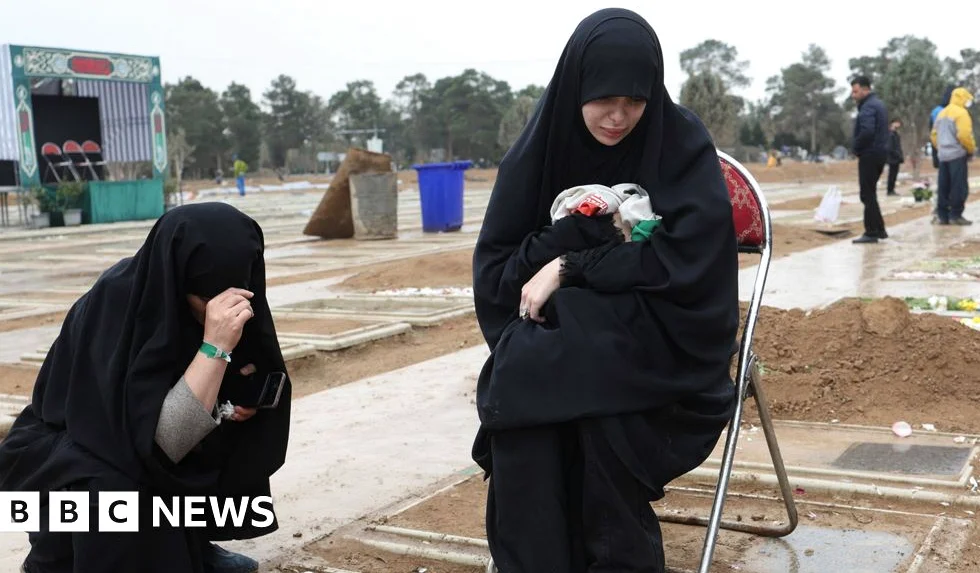
Amid rising geopolitical tensions. The US and Iran have initiated peace talks aimed at reducing hostilities in the Middle East. According to the Times of Israel. Iran has allowed the safe passage of an unspecified number of oil tankers through the Strait of Hormuz, a move seen as a potential goodwill gesture toward the US. This development has sparked speculation about the possibility of a broader agreement to de-escalate the ongoing conflict, particularly as global markets react to the uncertainty surrounding the region’s stability.
Iran’s Strategic Move and Regional Reactions
Iran’s decision to allow safe passage of oil tankers through the Strait of Hormuz is a significant move in the context of the ongoing US-Iran tensions. According to the Times of Israel. This action signals Iran’s willingness to engage in a peace process, even as it continues to face pressure from the United States and its allies. The move has been interpreted as a test of the US’s intentions to de-escalate the situation, with some analysts suggesting that Iran is seeking to gain capitalize on in negotiations.
Regional players have reacted with caution. In a statement. A senior Iranian official told the BBC, ‘We are not seeking confrontation, but we will not allow any threat to our national interests.’ This sentiment reflects the delicate balance Iran must maintain between engaging in peace talks and protecting its strategic interests in the region.
Meanwhile, the Gulf Cooperation Council (GCC) has expressed strong opposition to Iran’s recent military actions, including the closure of the Strait of Hormuz. A GCC spokesperson stated. ‘Iran has crossed all red lines. And its actions threaten regional stability.’ This reaction highlights the deep divisions among Middle Eastern countries regarding the role Iran should play in the region’s security architecture.
US Stance and Domestic Political Considerations
On the US side. The administration has been cautious in its approach to peace talks with Iran, citing the need to ensure that any agreement does not compromise national security interests. According to a report by Al Jazeera, US officials have emphasized that any deal must include verifiable commitments from Iran to curb its nuclear program and reduce its influence in the Middle East.
Domestically, the US political landscape has also influenced the approach to peace talks. According to a report by the PRIF Blog, Germany has been actively involved in mediating between the US and Iran, advocating for a multilateral approach to resolving the conflict. German officials have stressed the importance of involving regional partners in any peace process, arguing that a full solution must address the concerns of all those involved.
However, the US has faced criticism for its inconsistent stance on the conflict. According to the IDNFinancials.com report, some analysts argue that the US’s reluctance to fully engage in peace talks could undermine efforts to de-escalate tensions. The report notes that the US has maintained a military presence in the region, which some see as a provocation to Iran.
Economic Implications and Market Reactions
The ongoing conflict between the US and Iran has had significant economic implications, particularly for the global energy markets. According to TradingView. The Nifty index in India rose 1% on hopes of de-escalation in the Middle East. The report highlights that the situation in the region has been a key factor influencing global financial markets, with investors closely watching developments in the peace talks.
The closure of the Strait of Hormuz by Iran has also had immediate economic consequences, with oil prices rising sharply in response to the threat of a disruption in global oil supplies. According to Al Jazeera, the closure of the strait has triggered a wave of uncertainty in financial markets, with traders reacting to the possibility of a prolonged conflict.
Meanwhile, the Indonesian rupiah has strengthened against the US dollar despite weak performance in the Jakarta Composite Index (JCI). According to IDNFinancials.com, this suggests that investors are seeking safe-haven assets amid the uncertainty surrounding the Middle East conflict. The report notes that the Indonesian government has assured that energy supply remains stable despite the global crisis triggered by the situation in the region.
Local Impact and Public Sentiment
While international media has focused on the strategic and economic implications of the US-Iran conflict, local reactions in the affected countries have been largely overlooked. According to the Korean news outlet, the situation has had a direct impact on the lives of people in Iran, where the ailing economy has made it increasingly difficult for citizens to cope with the ongoing tensions. The report highlights that the Iranian public has expressed concern over the potential for a prolonged conflict, with many fearing the impact on their daily lives.
In the Gulf states, public sentiment has also been shaped by the ongoing conflict. According to the Korean news outlet, many citizens in the Gulf Cooperation Council (GCC) countries have expressed support for a peaceful resolution to the conflict, while others remain wary of Iran’s intentions. The report notes that the closure of the Strait of Hormuz has raised concerns about the security of regional trade routes, with some calling for stronger international cooperation to address the issue.
In India, the situation has also had an impact on local markets, with traders reacting to the potential for de-escalation in the Middle East. According to TradingView, the Indian stock market has shown signs of recovery, with investors looking for opportunities in sectors that could benefit from a more stable geopolitical environment.
What’s Next and Why It Matters
The upcoming developments in the US-Iran peace talks will be closely watched by all parties involved. According to the PRIF Blog, the next phase of negotiations is expected to focus on concrete steps to reduce military tensions and address the concerns of both sides. The report suggests that any agreement will need to include clear commitments from Iran to limit its nuclear program and reduce its influence in the region.
The outcome of the talks will have far-reaching implications for global security and economic stability. According to the IDNFinancials.com report, the situation in the Middle East has already triggered a wave of uncertainty in financial markets, with investors closely monitoring developments in the peace process. The report notes that any de-escalation could lead to a more stable global economy, while continued tensions could lead to further volatility.
As the situation continues to evolve, the role of regional and international actors will be important in determining the future of the US-Iran conflict. According to the Korean news outlet, the involvement of countries like Germany and the Gulf Cooperation Council (GCC) will be key to achieving a lasting resolution. The report highlights that a thorough approach to resolving the conflict will require the cooperation of all those involved, including the US, Iran, and regional powers.






Comments
No comments yet
Be the first to share your thoughts