

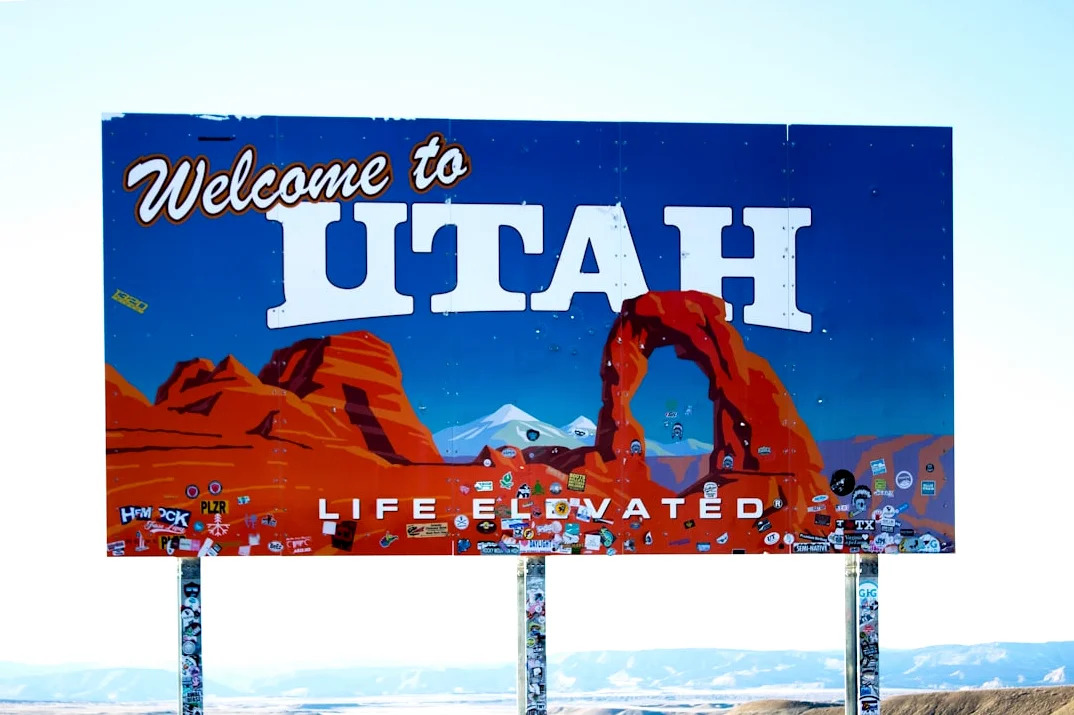
Utah’s Senate Government Operations and Political Subdivisions Committee voted to kill House Bill 195 this week. The legislation, sponsored by Rep. Ken Ivory, sought to create a public-private partnership for a precious metals-backed payment system. Senators deemed it unnecessary and harmful to private businesses.
Gov. Spencer Cox vetoed a similar version in 2025 over concerns about unworkability and vendor conflicts. This year’s bill never reached his desk. Committee members heard testimony from critics including the Sound Money Defense League and Goldback Inc.’s Kim Coleman. They argued the plan undercut free markets and duplicated existing private services.
Stefan Gleason, CEO of Money Metals Exchange and the largest precious metals depository in the western U.S., told lawmakers that people distrust government handling their gold ownership. He warned of reputational risks and unfair competition with private firms.
HB 195 would have directed the state treasurer to contract with third parties to build and run the system. That included purchasing, storing and enabling electronic transactions in gold. Opponents said it thrust Utah into direct rivalry with local coin shops and dealers.
Utah joins a list of states ditching similar ideas this month: Michigan, Wyoming, New Jersey, Oklahoma, Iowa, West Virginia, Idaho, Mississippi and South Dakota. Policymakers there cited pushback from businesses and investors.
Critics of the proposals, often linked to gold payment app promoters, highlighted several flaws. Vendors sought government endorsement to lure customers, despite their apps already operating nationwide. Some made unsubstantiated claims about tax evasion or metal confiscation risks for non-users.
Other versions burdened small businesses like coin shops with new Money Services Business registrations and bank-like customer checks. State regulators, lacking gold market expertise, would oversee unfamiliar activities.
Lawmakers also noted that buying, selling, storing and transacting gold and silver remains fully legal through private channels. No public demand exists for state-run versions, they said. Bills showed poor grasp of industry practices, from metal forms to depository operations.
Jp Cortez, executive director of the Sound Money Defense League, praised the committee. “They saw through the bluster,” he said. Utah ranks 10th out of 50 states on the group’s 2026 Sound Money Index. Cortez suggested next steps: eliminate capital gains taxes on gold and silver, and ease dealer regulations.
The league, a non-partisan group, pushes sound money policies nationwide. It publishes the Sound Money Index and Sound Money Review.






Comments
No comments yet
Be the first to share your thoughts