

A series of powerful earthquakes struck Venezuela on Wednesday, killing at least 1,430 people and injuring more than 3,328, according to the latest official figures announced by National Assembly President Jorge Rodríguez. The quakes. Measuring 7.2 and 7.5 on the Richter scale, were followed by dozens of aftershocks, compounding the devastation in the coastal state of La Guaira and the capital, Caracas.
Rescue operations in final hours
According to the International Rescue Committee’s Venezuela director, Nicole Kast, rescue teams are now in the final hours of the search and rescue operations; “72 hours is the window in which we hope to find people still alive,” Kast said. “Venezuela was already in a situation of humanitarian need, with limited resources within their civil protection services — Even though international rescue teams are coming, there’s still a significant gap, and many people will likely remain under the rubble.”
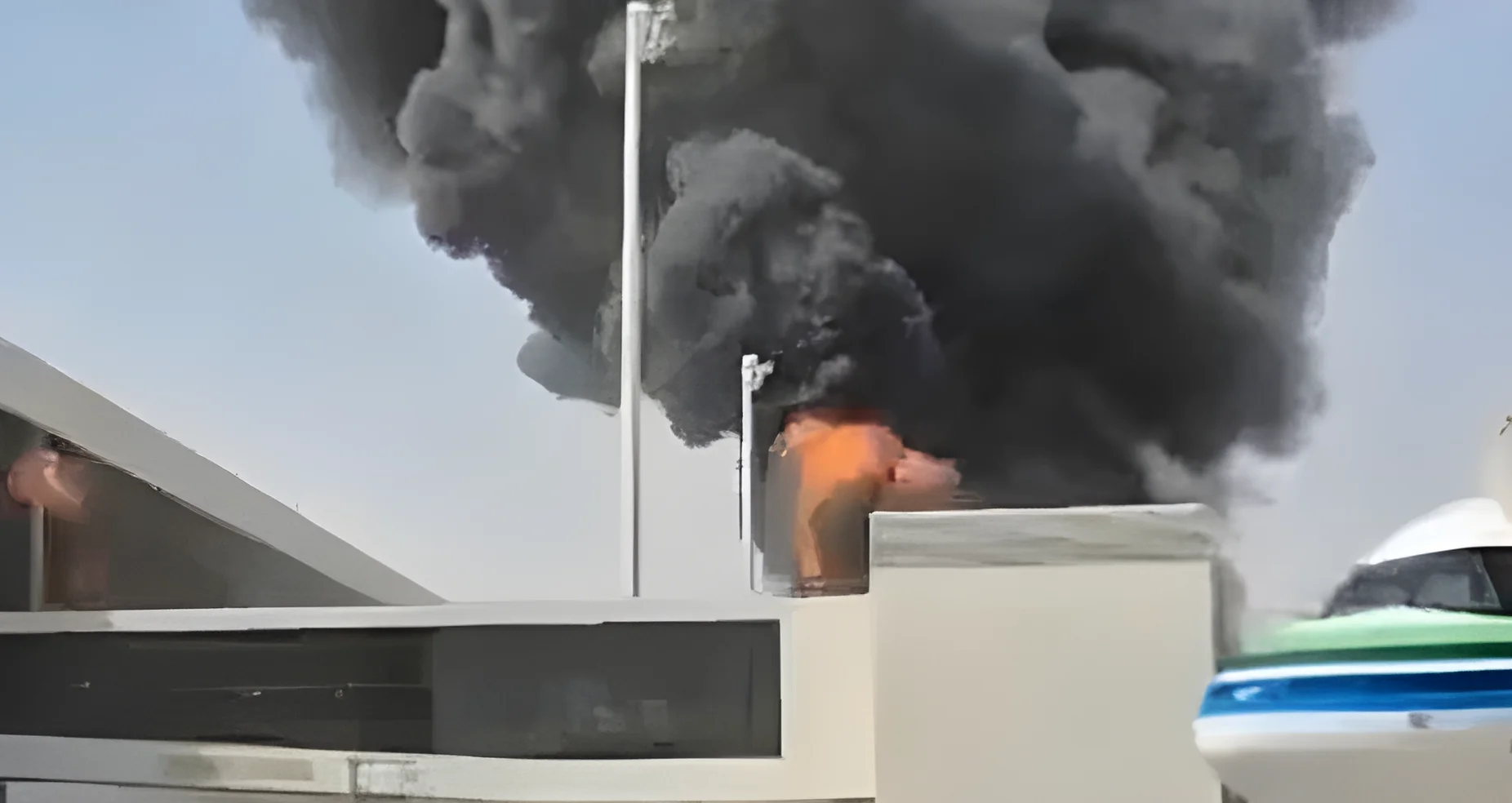
Venezuelan authorities confirmed that 1,600 members of foreign rescue teams had arrived in the country by Saturday — a damaged runway at Simon Bolivar International Airport had been repaired, allowing for increased aid deliveries, a U.S. official said.
Prominent rescues and tragic losses
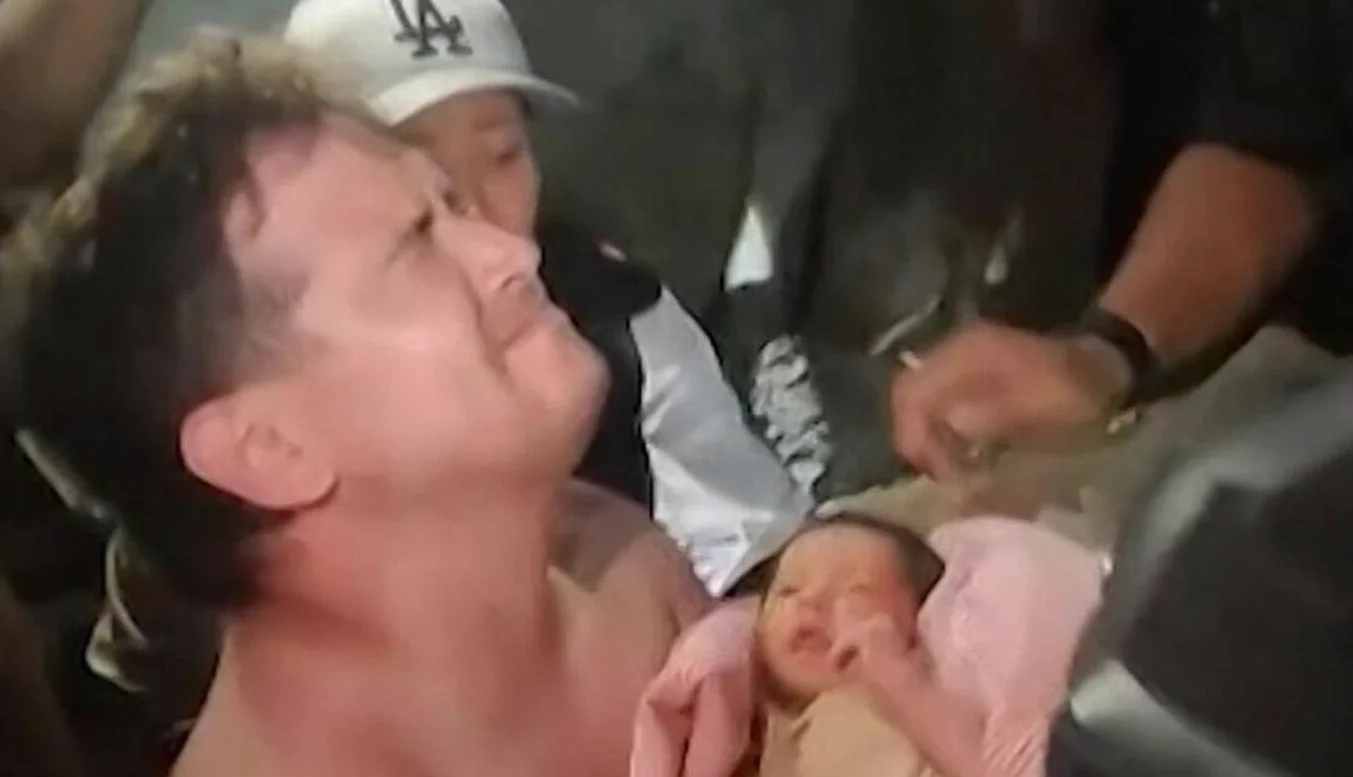
Among the most dramatic moments of the crisis was the rescue of a 18-day-old baby who had been trapped under the rubble for 32 hours. Footage from La Guaira showed rescuers forming a human chain to pass the infant down from the debris pile. The baby was unharmed and wrapped in a blanket before being carefully cleaned with wet wipes. His mother was rescued an hour later.
Tragically, not all stories had happy endings. Héctor Bello, a former Venezuelan football player, shared a heartfelt tribute to his wife, Andrea Ruiz, who was killed when a building collapsed. Bello described how she had saved their daughter by shielding her from the falling debris in her final moments. “You will always be our favorite hero, Mama,” he wrote on Instagram. “I will make sure our baby never forgets how wonderful you were and how much you loved her.”
Military and civilian mobilization
In response to the crisis, the Venezuelan government has imposed strict access controls to the hardest-hit areas, including La Guaira, where the earthquakes were centered. Police and military personnel have been deployed to manage traffic and prioritize the movement of aid and rescue teams. The government also called on citizens to avoid traveling to the area in private vehicles to prevent further congestion and delays in delivering assistance.
With thousands still displaced, temporary camps have been set up in parks across Caracas. One such site, the Parque del Oeste, has become a registration center for displaced residents from La Guaira. In just two days, more than 1,000 people were registered there. Volunteers are collecting names and identification to assist with the distribution of aid and shelter.
As the scale of the disaster becomes clearer, international aid organizations and local volunteers continue to work around the clock to provide shelter, food, and medical care to those affected by one of Venezuela’s most devastating natural disasters in recent history.

Comments
No comments yet
Be the first to share your thoughts