

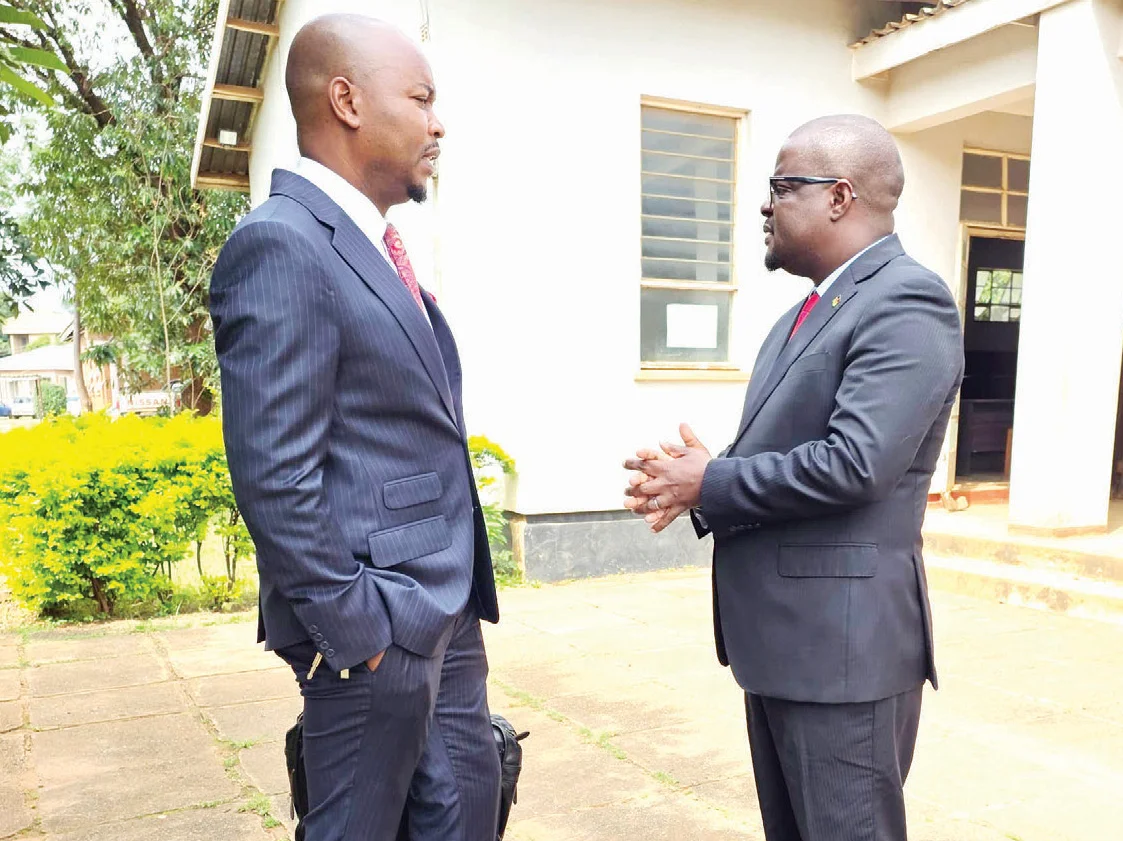
Vitumbiko Mumba and Jessie Kabwila, both former Cabinet ministers in Malawi, have pleaded not guilty to charges of disseminating false information that allegedly disturbed public peace. The hearing took place at the Lilongwe Senior Resident Magistrate Court on Monday, marking a critical legal development in a high-profile case involving accusations of election-related misinformation.
Adjournment to April 27, 2026
Senior Resident Magistrate Bracious Kondowe adjourned the hearing to April 27, 2026, following a request from the State. Principal State advocate Festas Sakanda asked for the adjournment to allow the prosecution to prepare its witnesses.
“The State will be notifying the court within 48 hours on the number of witnesses that we have,” Sakanda told the court. Kondowe emphasized that the State must provide a list of witnesses within the specified timeframe and noted that the adjournment would also allow Mumba to attend parliamentary proceedings, which are scheduled to end on April 10, 2026.
Sakanda further ruled that the State should begin presenting its witnesses on the adjourned date, ensuring that the legal process moves forward in an orderly manner.
Defense’s Dismissed Application
Earlier in the hearing, the court dismissed an application made by Mumba through his defense lawyer, Khumbo Soko. Soko had requested the court to discharge Mumba from the case, citing a lack of sufficient disclosure from the State regarding the list of witnesses and evidence.
“The disclosures that we have do not include a list of witnesses that the State has in the case. Where we are, the intended evidence should be tendered to the accused person. The [first] accused person [Mumba] should see the evidence. First things first, you need to inform the accused person the disclosures of the case,” Soko said.
Sakanda, however, dismissed the defense’s submission, stating that the defense should not be preoccupied with the issue of disclosures. “If the accused [person] believes that there is no evidence, then the proper procedure [is] to take plea and allow the prosecution to proceed with its case. If they believe that there is no evidence, then they should be happy [that the State has no evidence to support their case],” he said.
Kondowe upheld the dismissal, stating, “This application should be dismissed because I had an opportunity to look at the paper [disclosures] but I can see a name of the person who should come to the court. I would agree that there is no summary but there is evidence.”
Kondowe added that the State witness needed to appear before the court regardless of whether the evidence was sufficient or not.
Defense’s Response and Next Steps
In an interview, Soko expressed dissatisfaction with the court’s ruling on Mumba’s application, stating that the disclosures provided by the State were inadequate and would compromise the defense’s preparations. However, he emphasized that the defense team is experienced and has handled similar cases before.
“There is always room for us to escalate the matter to the High Court,” Soko said, indicating that the defense may consider higher legal avenues if necessary.
Mumba and Kabwila are accused of committing the offense in September of last year. They are charged with publishing information that alleged electoral fraud by the Democratic Progressive Party before the official results of the September 16, 2025 Presidential, Parliamentary, and Local Government Elections were announced.
The case has drawn attention due to the high-profile nature of the accused and the implications for the credibility of electoral processes in Malawi. The allegations of election-related misinformation could affect public trust in the electoral system and have broader implications for political stability in the region.
With the adjournment set for April 27, 2026, the case will likely remain a focal point for legal observers, the public, and political analysts in Malawi. The defense and prosecution will have time to prepare for the next phase of the trial, which could involve presenting evidence and witnesses.
The case highlights the challenges of ensuring transparency and accountability in electoral processes, particularly in contexts where misinformation can rapidly spread and impact public perception.



Comments
No comments yet
Be the first to share your thoughts