

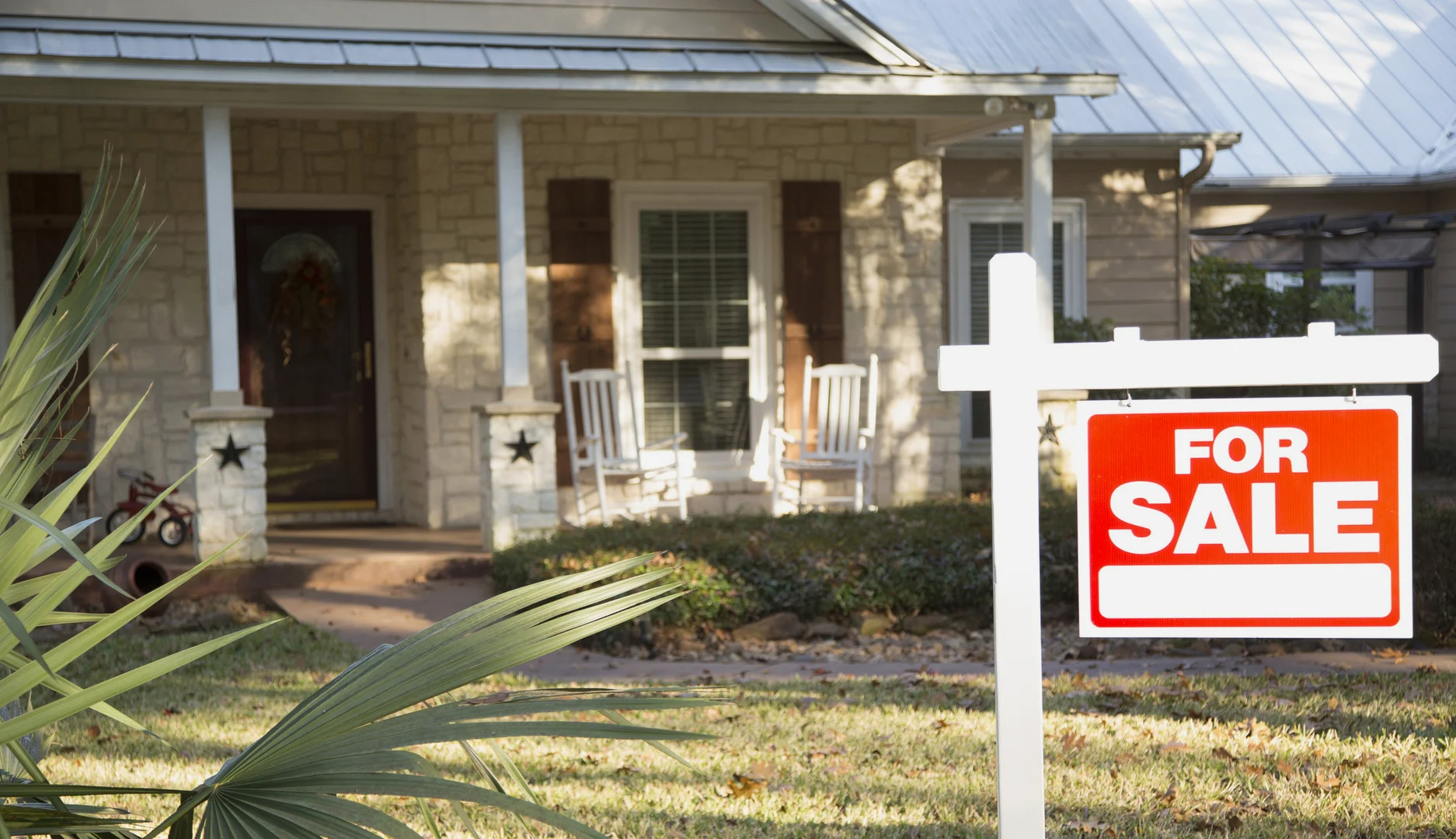
Current mortgage rates hovering around 6.5% to 7% have locked many Americans out of the housing market. Buyers sit on the sidelines, betting on Federal Reserve rate cuts to ease borrowing costs. That calculation often backfires.
Home prices climb regardless of rates. The Federal Housing Finance Agency’s House Price Index tracks average annual gains of 4% over decades, including market slumps. Someone eyeing a $400,000 house today who waits two years forfeits more than $32,000 in appreciation at that pace. Principal payments on a new mortgage would build additional equity during that time.
Lower rates rarely deliver cheaper homes. Freddie Mac data shows the opposite pattern. Cheaper financing boosts buyer demand. In supply-constrained markets, sellers respond by lifting asking prices. Buyers chasing rate drops could pay more overall.
Inflation hits harder for those renting. U.S. Bureau of Labor Statistics figures peg housing as a stubborn inflation driver. Construction materials jumped 30% since 2020. Homeowners insurance rates rose 20% last year in many states. Property taxes climbed alongside local assessments. Even if home prices stall, these expenses mount for future owners.
Renters feel the pinch now. U.S. Census Bureau American Community Survey data records median gross rents up 20% over the past decade. Households forking over $2,000 monthly in places like Atlanta or Phoenix watch that cash vanish without equity. A family planning a five-year stay loses ground fast.
Buying today keeps options open. Homeowners lock in at current rates but refinance if they drop. The Federal Reserve Bank of St. Louis notes homeowner equity as the top source of U.S. household wealth, averaging $200,000 per owner. Skip those early years, and that nest egg shrinks permanently.
Take Sarah Jenkins, a 34-year-old teacher in Denver. She held off in 2022, expecting rates below 5%. Her target home jumped from $450,000 to $520,000. Rent ate $24,000 in the interim. Jenkins bought last month. Her math: better to refi later than chase ghosts.
Economists echo the point. ‘Equity compounds like nothing else,’ said Mark Zandi of Moody’s Analytics in a recent interview. He points to 2021 buyers who refinanced successfully last fall, pocketing rate savings atop 15% price gains.
Not every market moves the same. Sunbelt cities like Austin saw 50% run-ups since 2019. Northeast metros cool faster but still outpace wages. National Association of Realtors data shows inventory at 3.5 months’ supply, far from the six months signaling balance.
Advisers target households with stable jobs and 20% down payments. Current 30-year fixed rates at 6.8% yield $2,650 monthly on a $400,000 loan, per Bankrate. Add $500 taxes and insurance. Renters pay similar or more, without payoff.
Fed projections hint at two cuts by year-end. Yet Chair Jerome Powell stressed no guarantees. Markets price in 4.5% rates by 2025. Even then, pent-up demand could reignite bidding wars.
Buyers weigh risks daily. Delay means lost time in the market. Act preserves flexibility. The stalemate drags on, but numbers favor motion.






Comments
No comments yet
Be the first to share your thoughts